Mastering Your Routine with High Protein Snacks
Incorporating high protein snacks into your daily routine is the ultimate strategy for maintaining stable energy levels and supporting overall health. You are probably familiar with that sudden crash that hits around three in the afternoon, making you reach for sugary treats or extra caffeine. Relying on carbohydrates alone for a quick boost often leads to a vicious cycle of energy spikes and severe drops. By shifting your focus toward nutrient-dense options, you provide your body with the sustained fuel it actually requires. High protein snacks bridge the gap between meals, keeping your blood sugar stable and your cognitive focus sharp. Whether your goal is to build lean muscle, recover from intense physical activity, or simply manage your appetite during long workdays, understanding how to select and prepare the right foods is incredibly beneficial. The macronutrient composition of what you consume directly dictates how you feel, perform, and recover. This guide provides a comprehensive breakdown of everything you need to know about making optimal choices for your daily nutrition.
We have all experienced the frustration of eating a large snack only to feel hungry again thirty minutes later. That happens when food lacks the necessary macronutrients to trigger satiety signals in the brain. The core value of prioritizing protein-rich foods lies in their metabolic efficiency. They digest slower than simple carbohydrates, meaning the energy release is gradual and consistent. Let us look at a few examples of how different options serve different purposes. A serving of cottage cheese offers a slow release of amino acids, making it perfect before sleep, while a quick handful of almonds provides a mix of healthy fats and protein for immediate, on-the-go fuel. Another great example is beef jerky, which offers a highly concentrated dose of protein without excess calories, ideal for travelers or outdoor enthusiasts.
Read also: The Best Aberdeen Sausage Recipes; The Ultimate Guide to the katie haley Daily Framework; Mastering The jenny hayes Routine.
| Snack Option | Average Protein Amount | Best Time to Consume |
|---|---|---|
| Greek Yogurt | 15g per serving | Morning or pre-workout |
| Beef Jerky | 9g per ounce | Afternoon on-the-go |
| Edamame Beans | 17g per cup | Evening savory craving |
| Hard-boiled Eggs | 6g per egg | Mid-morning fuel |
To fully grasp the impact of these choices, consider the primary benefits they provide to your daily functioning:
- Sustained Energy Delivery: Unlike sugar, which spikes insulin rapidly, protein breaks down slowly. This ensures a steady stream of glucose to the brain, preventing the dreaded afternoon fatigue.
- Enhanced Muscle Tissue Repair: Daily activities and workouts create micro-tears in muscle fibers. Providing your body with consistent amino acids ensures continuous repair and growth throughout the day.
- Appetite Regulation and Management: High-protein foods trigger the release of peptide YY and GLP-1, hormones that signal fullness to your brain. This reduces the likelihood of overeating during your main meals.
- Metabolic Rate Boost: The thermic effect of food means your body burns more calories digesting protein compared to fats or carbohydrates, naturally increasing your resting energy expenditure.
The Origins of Protein Snacking
The concept of carrying nutrient-dense, protein-heavy foods is not a modern invention. Ancient civilizations understood the necessity of preserving meats and dairy for long journeys and harsh winters. Indigenous populations in North America created pemmican, a mixture of dried lean meat, rendered fat, and sometimes berries. This served as an incredibly stable, high-energy food source that could last for months. Similarly, in Southern Africa, the indigenous tribes developed biltong, a form of dried, cured meat that provided essential nourishment without the need for refrigeration. These early methods laid the groundwork for the modern jerky and dried snacks we consume today. The fundamental goal has always been the same: preserving maximum nutritional value in a portable format.
Evolution of Muscle Recovery Foods
Moving into the mid-20th century, the fitness and bodybuilding communities began to isolate protein for targeted muscle recovery. During the 1970s and 1980s, athletes often relied on whole foods like raw eggs and canned tuna due to a lack of convenient alternatives. The first generation of commercial protein bars emerged during this era, though they were notoriously dense, chalky, and difficult to consume. Manufacturers prioritized macronutrient profiles over taste, resulting in products that functioned strictly as fuel rather than enjoyable treats. As food technology advanced, scientists figured out how to extract and filter whey and casein proteins from milk more efficiently, leading to smoother textures and better flavor profiles.
The Modern State of Macronutrient Convenience
Today, the landscape of functional foods is completely unrecognizable compared to its early days. Culinary science has merged with sports nutrition to create options that mimic the taste and texture of traditional junk food but boast exceptional macronutrient profiles. We now have access to protein crisps, extruded pea-protein puffs, ready-to-drink shakes, and high-protein ice creams. The focus has shifted toward bioavailability and dietary inclusivity. Plant-based innovation has skyrocketed, allowing vegans and vegetarians to enjoy portable, protein-rich items made from soy, rice, hemp, and chia seeds. This modern era prioritizes both physiological benefits and sensory enjoyment.
The Thermic Effect of Food
Understanding the science behind your digestion can dramatically improve your dietary strategy. The Thermic Effect of Food (TEF) refers to the energy your body expends to chew, swallow, digest, absorb, and store the nutrients from your meals. Protein has the highest TEF of all macronutrients. While your body uses only 5 to 10 percent of the calories from carbohydrates for digestion, it uses 20 to 30 percent of the calories from protein just to process it. This means that if you consume 100 calories of pure protein, your body effectively only nets about 70 to 80 calories. This metabolic advantage makes protein-heavy snacking a highly efficient strategy for maintaining lean body mass while keeping your metabolic rate elevated throughout the day.
Amino Acid Profiles Explained Simply
When you consume a piece of chicken or a handful of pumpkin seeds, your body does not absorb the protein whole. It breaks the protein down into individual building blocks called amino acids. There are twenty different amino acids, nine of which are considered essential because your body cannot produce them on its own. These essential amino acids must come from your diet. The specific combination of these amino acids dictates how efficiently your body can synthesize new muscle tissue and produce vital enzymes. Animal-based sources typically contain all nine essential amino acids in optimal ratios, making them complete proteins. Plant-based sources often lack one or two, but by eating a variety of plants throughout the day, your body can easily pool the necessary components.
- Leucine Activation: The amino acid leucine acts as a critical trigger for the mTOR pathway, which is the primary driver of muscle protein synthesis in the human body.
- Digestion Kinetics: Whey protein is absorbed rapidly, spiking amino acid levels in the blood within 30 minutes, whereas casein gels in the stomach and provides a slow release over several hours.
- Bioavailability Score: The Protein Digestibility Corrected Amino Acid Score (PDCAAS) measures protein quality based on human requirements and its ability to be digested.
- Hormonal Interaction: High protein intake decreases the level of ghrelin, the hunger hormone, while boosting satiety hormones, creating a natural calorie control mechanism.
Day 1: Greek Yogurt Basics
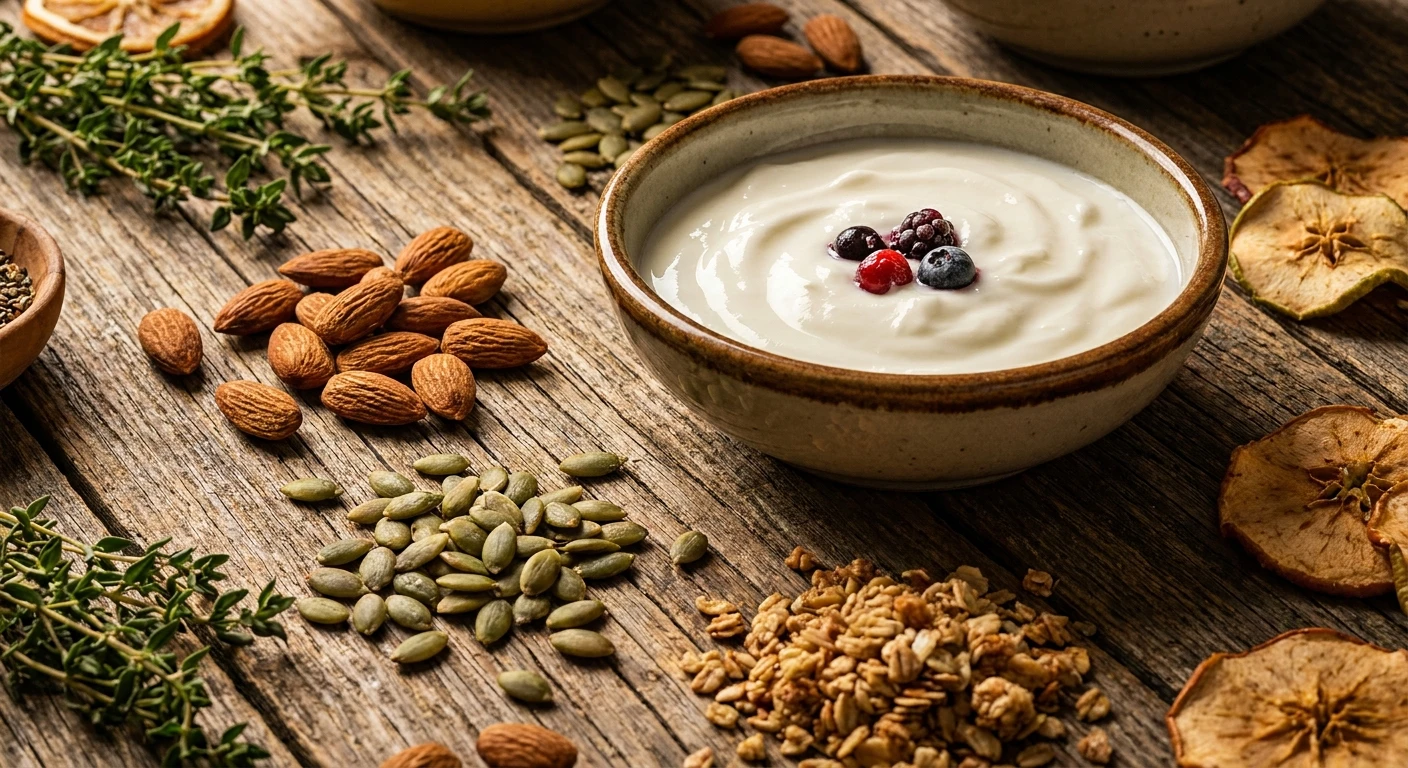
Starting your week with a versatile base sets a positive tone. Greek yogurt is created by straining regular yogurt to remove the liquid whey, resulting in a thicker product with double the protein concentration. A single cup can yield up to 20 grams of high-quality protein. To elevate this snack, stir in a handful of chia seeds and fresh berries. The seeds add fiber and omega-3 fatty acids, while the berries provide antioxidants. This combination offers a perfect balance of fast-acting carbohydrates and slow-digesting casein protein, keeping your energy steady through the morning.
Day 2: Hard-Boiled Egg Preparation
Preparation is the key to consistency. On day two, focus on the simplest and most cost-effective source of high-quality protein: the egg. Boiling half a dozen eggs takes only ten minutes and provides a stash of portable snacks for the next few days. One large egg contains about 6 grams of highly bioavailable protein, along with essential nutrients like choline and vitamin D. For a quick afternoon pick-me-up, slice two hard-boiled eggs and sprinkle them with paprika, salt, and a dash of black pepper. They are incredibly filling and transport easily in a small container.
Day 3: Nut Butter and Seeds
Midweek cravings often demand something rich and satisfying. While whole nuts are fantastic, combining natural nut butters with seeds offers a dense nutritional punch. Choose almond or peanut butter that contains no added sugars or hydrogenated oils. Spread two tablespoons over celery sticks or apple slices. To boost the protein content further, sprinkle hemp hearts or roasted pumpkin seeds on top. Hemp seeds are a rare plant-based source of complete protein, delivering about 10 grams per three-tablespoon serving, alongside heart-healthy fats.
Day 4: Lean Meats and Jerky
By Thursday, you might need something savory and robust. High-quality beef, turkey, or salmon jerky is an excellent option for a concentrated dose of amino acids. When selecting commercial jerky, carefully read the labels to avoid products loaded with excessive sodium and high-fructose corn syrup. Alternatively, you can easily prepare your own by thinly slicing lean turkey breast, marinating it in soy sauce and spices, and dehydrating it in the oven at a low temperature. This provides a pure, unadulterated source of fuel perfect for the desk or the trail.
Day 5: Cottage Cheese Creations
Cottage cheese is a highly underrated functional food that is experiencing a massive resurgence in popularity. A half-cup serving easily delivers 14 grams of slow-digesting protein. Its mild flavor profile makes it a brilliant canvas for both sweet and savory combinations. For a sweet treat, mix it with a drizzle of honey, cinnamon, and diced peaches. If you prefer savory snacks, blend the cottage cheese until smooth and use it as a high-protein dip for carrot sticks, cucumber slices, or whole-grain crackers.
Day 6: Plant-Based Edamame
Heading into the weekend, incorporating plant-based variety is a great way to ensure broad nutritional coverage. Edamame, which are young soybeans harvested before they ripen, are a fantastic snack. One cup of cooked edamame provides about 17 grams of complete plant protein. You can buy them frozen, steam them in minutes in the microwave, and toss them with a little sea salt and chili flakes. Popping the beans out of their pods also slows down the eating process, giving your brain time to register fullness.
Day 7: Homemade Protein Bars
Finish your week by preparing for the next one. Store-bought bars can be expensive and full of artificial binders. Making your own requires no baking and minimal effort. Combine rolled oats, your favorite protein powder, natural peanut butter, and a splash of almond milk in a bowl. Mix until a dough forms, press it firmly into a baking dish, and leave it in the refrigerator to set. Once firm, cut into squares. You now have a week’s supply of customized, nutrient-dense bars tailored exactly to your taste preferences.
Myth: Consuming large amounts of protein will instantly make you bulky and overly muscular.
Reality: Building substantial muscle mass requires an intense, progressive weightlifting regimen and a caloric surplus. Snacking on protein simply supports basic muscle maintenance and helps you feel full; it will not accidentally turn you into a bodybuilder.
Myth: All commercial protein bars are healthy choices for weight loss.
Reality: Many commercial bars are essentially candy bars in disguise, loaded with sugar syrups, artificial sweeteners, and unhealthy fats to improve taste. Always check the nutrition label to ensure the protein-to-sugar ratio aligns with your dietary goals.
Myth: Your body can only absorb 20 grams of protein at a single time, wasting the rest.
Reality: The human digestive system is highly efficient. While muscle protein synthesis maxes out at a certain threshold per meal, the remaining protein is still broken down, absorbed, and utilized for other essential physiological functions, tissue repair, and enzyme production.
Myth: Plant-based proteins are entirely inadequate because they are incomplete.
Reality: While many plant proteins lack one or more essential amino acids, eating a varied diet of grains, legumes, and seeds throughout the day allows your liver to combine and utilize all necessary amino acids effectively.
Are protein shakes considered snacks?
Yes, liquid nutrition can serve as a highly convenient snack, especially when you are short on time or immediately following physical activity. However, whole foods generally provide greater satiety due to the mechanical action of chewing and slower digestion.
What is the best late-night snack?
A slow-digesting option like cottage cheese or a small portion of Greek yogurt is ideal before bed. The steady release of amino acids supports overnight recovery without spiking your blood sugar and disrupting your sleep cycle.
How much protein is too much?
For the average active person, consuming up to 2 grams per kilogram of body weight is perfectly safe and beneficial. Consistently exceeding extreme amounts without adequate hydration or medical supervision offers no additional benefits and can cause digestive discomfort.
Can vegans get enough protein from snacks?
Absolutely. Plant-based options like roasted chickpeas, edamame, pumpkin seeds, hemp hearts, and tofu bites offer substantial amounts of amino acids. A well-planned vegan snacking routine easily meets daily requirements.
Do protein bars cause bloating?
They can, but the culprit is rarely the protein itself. Bloating is usually caused by the sugar alcohols, artificial sweeteners, or high amounts of added fiber like chicory root extract used in many commercial bars. Switching to whole foods usually resolves this.
Is cheese a good source of protein?
Hard cheeses like parmesan, cheddar, and swiss do contain significant protein, but they are also very calorie-dense and high in fat. They should be eaten in moderation as a flavor enhancer rather than the primary protein source for a snack.
When is the absolute best time to eat my snack?
The optimal time depends entirely on your daily schedule and hunger cues. A snack two hours before a workout provides usable fuel, while an afternoon snack prevents the common workday energy slump. Listen to your body and eat when genuine hunger arises.
Taking control of your daily nutrition does not require complicated recipes or massive lifestyle overhauls. By making smart, intentional choices, you can fundamentally improve how you feel and function every single day. Stock your pantry with these reliable options, prepare ahead of time using the seven-day guide, and watch your focus and physical vitality soar. Stop settling for mid-day fatigue and start fueling your body with the premium nutrition it deserves today!