The Ultimate Guide to Pistachio Spread
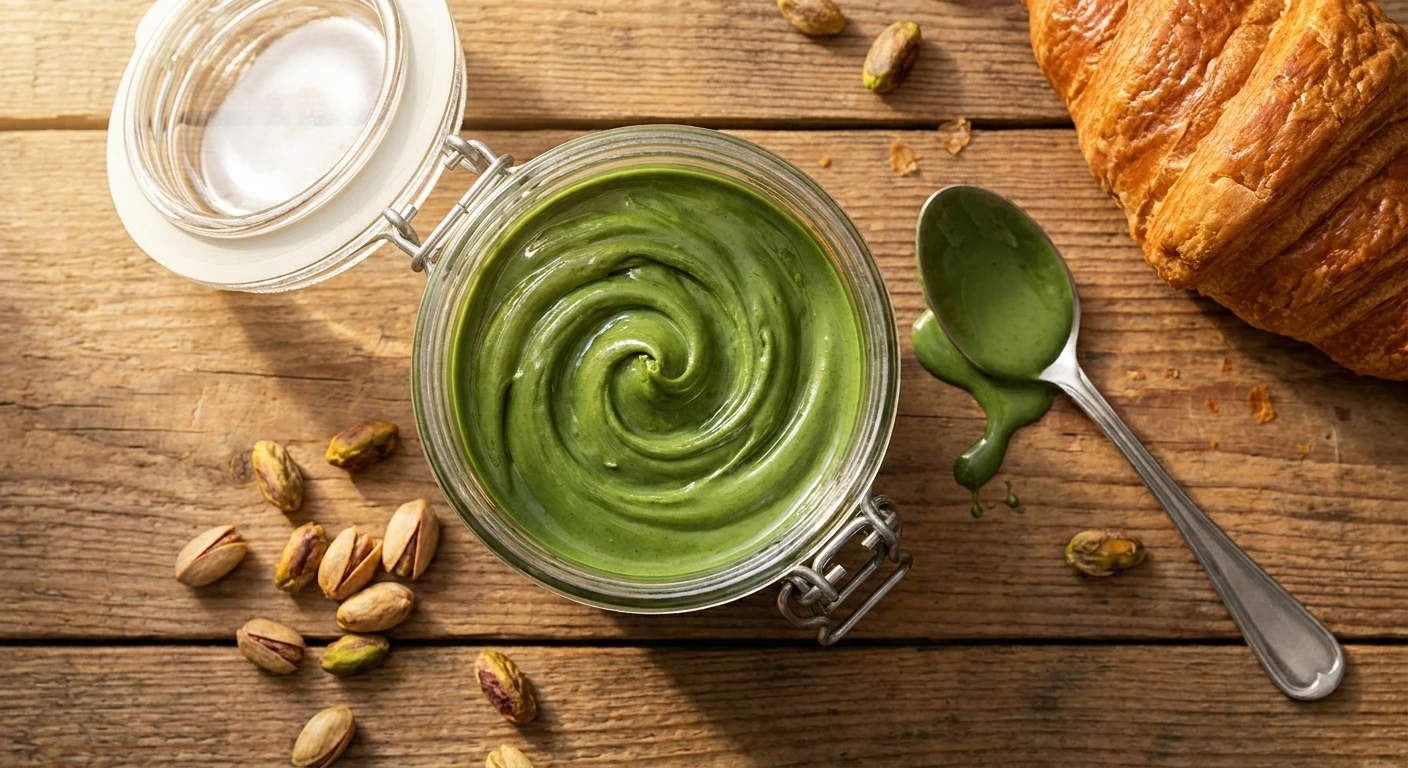
Have you ever tasted authentic pistachio spread and wondered how this creamy, nutty perfection comes together? This vibrant green treat has taken the culinary scene by storm, moving from a regional Italian specialty to a highly coveted global pantry staple. A high-quality pistachio spread balances rich, roasted nut profiles with a smooth, velvety texture that effortlessly rivals any chocolate or hazelnut alternative on the market. The secret to its remarkable flavor lies in the quality of the raw materials, specifically the renowned pistachios harvested from mineral-rich volcanic soils, alongside a meticulous grinding process that releases their natural, aromatic oils. Whether you use it as a decadent filling for freshly baked breakfast croissants, a luxurious topping for your morning oatmeal, or simply enjoy it straight from the glass jar with a spoon, understanding the composition and versatility of this ingredient completely changes the way you approach modern desserts. By examining the dense nutritional profile, the intricate artisanal production methods, and the endless culinary applications, you gain a much deeper appreciation for what makes this sweet cream so highly sought after by pastry chefs and home cooks alike. This comprehensive guide breaks down absolutely everything you need to know, from the raw nutritional benefits and complex historical roots to highly practical daily uses, ensuring you know exactly how to select, store, and serve the finest green gold available today.
Understanding the Benefits and Culinary Value
When evaluating the true value of a premium pistachio spread, the benefits extend far beyond its luxurious taste and captivating color. The core advantage of integrating this specific nut butter into your regular diet is the dense concentration of healthy fats, essential antioxidants, and plant-based protein. For example, a pure, unsweetened spread offers a sustained energy release, making it an excellent pre-workout snack when paired with complex carbohydrates like whole-grain toast or a banana. Another clear example is its profound utility in plant-based baking, where the natural, unrefined oils seamlessly replace heavy dairy fats while imparting a vibrant natural color and distinct, earthy flavor. However, consumers must remain extremely vigilant about added sugars and hydrogenated palm oil, which are frequently used by commercial brands to cut costs. These cheap additives severely dilute the health benefits, alter the authentic taste, and ruin the natural texture. Understanding the nutritional breakdown is essential for making an informed purchase.
Read also: Master the Perfect Dot Cake: Expert Recipes and Tips; Ultimate Jaffle Maker Guide: Tips for Perfect Sandwiches; Best High Protein Snacks for Energy.
| Nutritional Component | Pure Pistachio Butter | Commercial Sweetened Cream | Standard Hazelnut Cocoa Spread |
|---|---|---|---|
| Protein Density (per 100g) | Approximately 20g to 22g | Approximately 7g to 9g | Approximately 5g to 6g |
| Added Sugar Content | Zero (Contains only natural sugars) | High (Often the first listed ingredient) | Very High (Primary ingredient by weight) |
| Primary Fat Source | Natural Pistachio Oil | Mixed Vegetable Oils or Palm Oil | Hydrogenated Palm Oil |
| Fiber Content (per 100g) | Approximately 10g | Approximately 2g to 3g | Approximately 3g to 4g |
To ensure you are getting the maximum value and the best possible culinary experience, follow these strict guidelines when shopping for a new jar.
- Examine the specific nut percentage: A genuine, high-quality artisanal product should contain at least 45 percent to 50 percent actual pistachios, rather than relying on cheaper almonds, cashews, or sunflower seeds as hidden bulk fillers.
- Analyze the visual color profile: Authentic milled pastes exhibit a muted, natural earth-green or slight olive tone. Neon or artificially bright green colors usually indicate the presence of added chemical food dyes or synthetic chlorophyll.
- Scrutinize the fat sources on the label: Superior options rely exclusively on the natural oils released by the nuts during the intense milling process, or occasionally a small touch of pure cocoa butter for stability, strictly avoiding any hydrogenated palm or canola oils.
- Evaluate the physical texture: The cream should be relatively smooth but might show a slight, natural oil separation at the very top of the jar, which is a perfect indicator of a natural, stabilizer-free product that requires a quick stir before use.
The Ancient Origins of the Green Nut
The fascinating story of the pistachio dates back thousands of years to the arid, sun-drenched regions of the Middle East and Central Asia. Ancient civilizations, including the powerful Persian Empire, highly prized the nut for its robust nutritional profile and its remarkable ability to thrive in harsh, dry, desert-like climates where other crops routinely failed. Early merchants and nomadic traders carried these valuable seeds along the winding routes of the Silk Road, gradually introducing them to eager Mediterranean cultures. While ancient populations primarily consumed the freshly harvested nuts whole or coarsely crushed and mixed with local honey, the fundamental culinary idea of grinding them into a rich, energy-dense paste was already taking root among traveling nomadic tribes who desperately needed compact, non-perishable sustenance for their long, arduous journeys across the desert.
The Evolution in Italian Confectionery
The true transformation of this raw ingredient into the sweet, creamy, luxurious confection we instantly recognize today occurred on the island of Sicily, specifically in the dark, mineral-rich volcanic soils surrounding the base of Mount Etna. The small agricultural town of Bronte rapidly became the undisputed global epicenter for premium pistachio cultivation. Local Sicilian artisans, possessing generations of expertise and mastering the delicate art of the traditional pasticceria, began slowly milling these emerald nuts with fine sugar and local milk powders to create a flawlessly smooth filling for iconic pastries like cannoli, festive panettone, and rich artisanal gelato. This specific regional innovation fundamentally shifted the global focus from treating the nut as a purely utilitarian food source to celebrating it as a refined, high-end culinary delicacy. The intense, terroir-driven flavor of authentic Sicilian nuts provided the absolutely perfect foundation for what would become the world’s most sought-after dessert cream.
The Modern State of Global Production
Today, the lucrative market for this green delicacy has expanded exponentially far beyond traditional Italian borders, reaching kitchens across the globe. Advanced stone-milling techniques and modern food processing technology now allow massive agricultural producers in California, Iran, and Turkey to cultivate their own regional variations of this beloved cream. The modern retail landscape currently features a distinct, highly visible split between mass-produced, heavily sweetened supermarket versions designed for extreme shelf stability, and artisanal, small-batch creations focusing purely on raw ingredient purity. Contemporary food engineering ensures incredibly ultra-smooth textures without the strict need for artificial chemical emulsifiers, allowing culinary purists worldwide to enjoy deeply authentic, unadulterated flavor profiles straight from the jar, celebrating the natural essence of the nut.
The Physics of Stone Milling
Creating a perfectly smooth, velvety nut cream requires an incredibly precise application of continuous shear force combined with meticulous temperature control. At the microscopic level, raw pistachios consist of rigid, complex cellular walls that firmly encapsulate delicate, highly aromatic oil droplets. When artisan manufacturers utilize traditional heavy granite stone grinders—a specialized industrial process scientifically known as micronization—they slowly and deliberately crush these microscopic cell walls over a period of up to forty-eight hours. This incredibly slow grinding technique actively prevents the friction temperature from spiking dangerously high. If the internal milling temperature exceeds 45 degrees Celsius, the volatile aromatic flavor compounds rapidly degrade, and the naturally occurring fats begin to oxidize, inevitably leading to a harsh, rancid, or overly bitter aftertaste. By carefully keeping the friction heat consistently low, master artisans flawlessly preserve the structural integrity of the complex lipids, ensuring a velvet-like consistency and a naturally prolonged shelf life without the need for artificial chemical preservatives.
Lipid Profiles and Antioxidant Chemistry
The vibrant, signature green hue and profoundly distinct flavor profile of the final paste are directly tied to the raw nut’s highly unique chemical composition. Unlike many other common tree nuts used in butters, pistachios boast a remarkably high concentration of specific, heat-sensitive phytochemicals that manage to survive the gentle stone-grinding process.
- Natural Chlorophyll and Lutein: These specific organic compounds are entirely responsible for the signature green and yellow organic pigments. Lutein also functions as a powerful, naturally occurring carotenoid antioxidant that scientifically supports optimal ocular health and reduces systemic inflammation.
- Monounsaturated Fatty Acids (MUFAs): The primary, dominant fat source found within the nut, specifically high-quality oleic acid, naturally provides the stable liquid base that seamlessly allows the milled dry solids to transform into a fluid, spreadable paste.
- Gamma-Tocopherol Concentration: This acts as a highly potent, naturally occurring form of Vitamin E. It functions effectively as a built-in natural preservative, actively preventing the delicate oils stored in the glass jar from spoiling or oxidizing prematurely when exposed to ambient room oxygen.
- Maillard Reaction Compounds: When the raw, green nuts are very lightly roasted at precise temperatures immediately prior to the grinding phase, the internal amino acids and reducing sugars chemically interact. This vital reaction creates distinct pyrazines—the specific, highly aromatic molecules that are completely responsible for that deeply roasted, mouth-watering nutty aroma.
Day 1: The Classic Morning Toast
Begin your culinary journey quite simply by spreading a generous, thick tablespoon of the rich cream evenly over a large, thick slice of freshly toasted artisanal sourdough bread. The gentle residual heat emanating from the toasted bread naturally softens the dense cream, making it perfectly spreadable, while a tiny, deliberate pinch of coarse, flaky sea salt immediately elevates the roasted nut flavor, creating an absolutely perfect, mouth-watering balance of sweet and savory notes to start your morning.
Day 2: Upgraded Oatmeal Bowls
Stir a large, heaping spoonful of the paste directly into a steaming bowl of your hot morning oats just before serving. The nut paste melts completely and seamlessly into the warm porridge, effectively replacing the traditional need for dairy butter or heavy cow-milk cream, while simultaneously providing a massive, sustained boost of plant-based energy and vital healthy fats to easily power you through a demanding, highly active morning schedule.
Day 3: Decadent Coffee Enhancer
Create a highly specialized, barista-level latte right in your own kitchen by briskly whisking a full teaspoon of the sweet cream directly with a fresh, hot double shot of dark espresso until it is completely dissolved and frothy. Carefully pour freshly steamed, hot oat milk over the nutty espresso mixture for a remarkably rich, café-quality morning beverage that boasts a beautiful, pale green tint and an unforgettable roasted aroma.
Day 4: Midday Apple Pairing
Carefully slice a large, crisp, highly tart Granny Smith apple and utilize the dense nut paste as a thick, high-protein midday dip. The sharp, vibrant acidity and bright crunch of the fresh green apple effortlessly cuts perfectly through the rich, heavy, fatty texture of the nut cream, resulting in a highly refreshing, nutritionally balanced afternoon snack that satisfies sudden sweet cravings without causing a massive sugar crash.
Day 5: Savory Vinaigrette Base
Briskly whisk a small, concentrated amount of an unsweetened, pure pistachio variant with high-quality extra virgin olive oil, freshly squeezed lemon juice, a dollop of spicy Dijon mustard, and coarsely cracked black pepper. This simple but highly effective mixture creates a beautifully emulsified, incredibly nutty, and thick dressing that is absolutely perfect for coating hearty, robust greens like winter kale or drizzling generously over freshly roasted root vegetable salads.
Day 6: Instant Gelato Topping
Gently and carefully warm three full tablespoons of the sweet cream in a glass double boiler on the stove until it gradually reaches a smooth, highly pourable, syrup-like consistency. Drizzle this warm, vibrant liquid gold generously over a massive scoop of premium, artisanal vanilla bean ice cream or fresh dairy gelato for an incredibly effortless, highly elegant evening dessert that perfectly mimics the finest Italian restaurant offerings.
Day 7: The Stuffed Croissant Bake
Carefully slice open a large, day-old buttery bakery croissant, forcefully pipe a thick, generous layer of the sweet green cream directly inside the center, and bake it in a preheated oven at a low temperature for exactly five minutes. The final, spectacular result is a delightfully warm, crispy, oozing pastry masterpiece that easily rivals any traditional, high-end European bakery offering, serving as the ultimate weekend breakfast indulgence.
Separating the Myths from the Reality
Despite its massive, unprecedented global popularity, several persistent misconceptions continue to surround this premium gourmet ingredient, often leading consumers to make incorrect purchasing decisions.
Myth: A significantly brighter, almost neon green color indicates a much fresher, significantly higher-quality product.
Reality: Authentic, naturally milled pistachios strictly produce a somewhat muddy, highly earthy olive-green color. Neon or vibrant, glowing hues are almost exclusively the direct result of artificial chemical food coloring or synthetic chlorophyll additives designed to trick the consumer.
Myth: It is nutritionally identical in every way to standard, mass-produced chocolate hazelnut spreads.
Reality: While heavily sweetened dessert versions certainly exist, pure pistachio pastes contain significantly higher amounts of dietary protein, essential fiber, and powerful antioxidants, and they generally rely strictly on the nut’s natural, healthy oils rather than relying on cheap, inflammatory added palm oil.
Myth: Visible oil separation forming at the very top of the jar means the product has completely gone bad and must be discarded.
Reality: Natural oil separation is actually a highly positive sign of premium, unadulterated quality, definitively proving the manufacturer did not utilize harmful artificial chemical emulsifiers or synthetic stabilizers to unnaturally bind the diverse ingredients together.
Myth: Unroasted nuts always produce a vastly superior, far healthier final spread.
Reality: While entirely raw nuts certainly retain slightly more heat-sensitive vitamins, a very light, highly controlled roasting process is absolutely essential for safely destroying potential surface pathogens and fully developing the complex, highly aromatic pyrazines that provide the signature, universally beloved flavor profile.
Is it completely vegan?
Pure, single-ingredient variants are naturally one hundred percent vegan, but commercially sweetened dessert creams very often contain hidden dairy milk powders. You must always check the ingredient label carefully.
Does it need to be refrigerated after opening?
No, storing the tightly sealed jar in a consistently cool, very dark kitchen pantry effectively prevents the natural oils from hardening excessively and successfully maintains a perfectly smooth, easily spreadable texture.
How long does an open jar typically last?
Typically, a properly sealed, open jar remains incredibly fresh and completely safe to eat for up to three full months in the pantry, provided it is kept entirely away from direct sunlight and extreme heat sources.
Can I successfully bake cakes with it?
Absolutely. It serves as an truly excellent, highly flavorful fat replacement and structural flavor base in heavy pound cakes, soft cookies, and traditional braided sweet babkas.
Is it medically safe for dogs to eat?
No. Pistachios can easily cause severe gastrointestinal distress in most pets, and the exceptionally high fat content is medically dangerous for dogs, potentially leading to acute pancreatitis.
Why is it generally so expensive to buy?
Pistachio trees inherently take many long years to fully mature and they are strictly harvested on a biennial cycle, making the raw, high-quality agricultural material incredibly scarce and highly valuable.
Can I simply make it at home?
Yes, a heavy-duty, high-powered food processor and a batch of freshly roasted, completely unsalted nuts are absolutely all you need to successfully blend your very own pure paste.
Does it naturally contain any gluten?
Pure nut spreads are entirely naturally gluten-free; however, always ensure you purchase jars from certified facilities if you suffer from severe celiac disease to avoid any accidental cross-contamination.
Can I freeze the spread to extend its life?
Freezing is generally not recommended at all, as the extreme freezing temperatures will completely ruin the delicate oil emulsion, resulting in a highly grainy, unappealing texture once thawed.
In summary, carefully choosing a high-quality pistachio spread instantly opens up an entirely new world of exciting culinary possibilities, ranging from deeply healthy, energy-boosting morning breakfasts to incredibly rich, highly indulgent evening desserts. By understanding the rich history, the meticulous science behind the stone-milling process, and the strict nutritional facts, you can confidently navigate the modern grocery aisles. Ditch the cheap, artificial, sugar-loaded alternatives and grab a premium jar of pure, authentic green nut cream today to dramatically elevate your everyday meals and impress your family!