The Magic of Aberdeen Sausage
You probably didn’t wake up today thinking about aberdeen sausage, but trust me, your breakfast routine is begging for this Scottish classic. As a Ukrainian who grew up eating rich, garlic-heavy kovbasa and dense meatloaves prepared by my grandmother, moving to the UK and discovering Scottish culinary traditions completely flipped my perspective on cured and preserved meats. I remember my very first bite of this regional specialty at a chilly winter farmers’ market in Scotland. It was incredibly savory, slightly sweet with a distinct hit of nutmeg, and deeply satisfying. That specific moment convinced me to master the art of making it myself right in my own kitchen.
Finding authentic, regional comfort foods is a massive culinary trend as we move through 2026, but you absolutely don’t need a trendy bistro or a specialized butcher shop to enjoy this hearty meal. At its core, aberdeen sausage is essentially a spiced, cooked beef and pork roll that sits proudly somewhere between a high-end meatloaf and a traditional breakfast sausage. My goal is simple: I want to show you exactly why this unique meat roll deserves a permanent spot on your weekly dinner table. I will break down the essential flavor profiles, the foolproof preparation methods, and the reasons why it beats standard supermarket links any day of the week. Seriously, once you try making this hearty dish at home, your weekend brunches will never be the same again.
Why You Need This Scottish Classic in Your Fridge
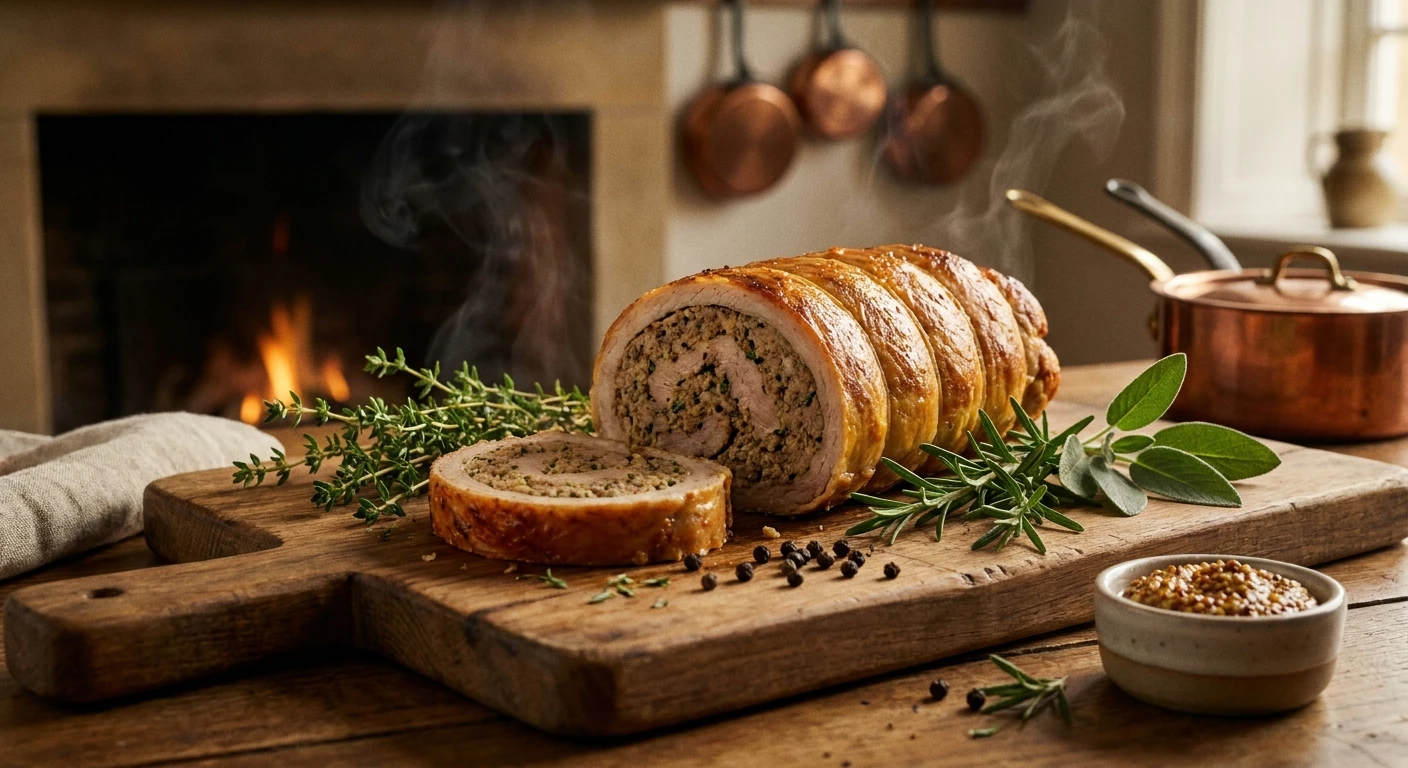
To truly appreciate this dish, you have to understand the brilliant mechanics behind it. The base consists of high-quality minced beef and pork, enriched with bacon, bound together with toasted oatmeal, and generously spiced. It bypasses the most annoying part of homemade charcuterie entirely: there is absolutely no need to fuss with specialized equipment or stuff animal casings. You simply mix, roll, and cook.
The value proposition of this recipe is massive for home cooks. It is incredibly versatile, highly cost-effective, and remarkably nutritious when you prepare it from scratch using quality ingredients. You control the fat content, the salt levels, and the flavor intensity. Let me give you two perfect examples of its versatility. First, you can slice it thick, fry it until the edges get crispy, and serve it hot alongside fried eggs and roasted tomatoes for a weekend breakfast. Second, you can slice it paper-thin right out of the fridge and layer it into a crusty baguette with sharp cheddar and mustard for a phenomenal quick lunch.
Here is a quick breakdown of the core components that make the magic happen:
| Ingredient Type | Function in the Sausage | Prime Example |
|---|---|---|
| Meat Base | Provides the savory core flavor and structure | 80/20 Beef and Pork shoulder mix |
| Carbohydrate Binder | Retains meat juices and moisture during cooking | Pinhead oats or toasted oatmeal |
| Aromatic Seasoning | Gives the signature Scottish flavor profile | Freshly grated nutmeg and ground mace |
There are a few key reasons why making this at home is a game-changer:
- Unmatched Versatility: As mentioned, it transitions flawlessly from a hot dinner main course to a cold deli meat.
- Zero Special Equipment: You only need a mixing bowl, some aluminum foil or a cloth duff, and a large pot for simmering.
- Exceptional Shelf Life: The traditional cooking process means it keeps wonderfully in the fridge, and the flavors actually develop and deepen on day three or four.
- Budget-Friendly Comfort: It stretches a moderate amount of premium meat into multiple satisfying meals thanks to the clever use of oats.
The History and Evolution of a Northern Staple
The Humble Origins
Scotland has a massive, centuries-old tradition of preserving meat to survive harsh winters. During the 19th century, working-class families and rural farmers needed high-calorie, easily transportable meals that wouldn’t spoil quickly. Butchers in the city of Aberdeen figured out a brilliant way to utilize savory off-cuts of beef and pork. By mixing these meats with local oats—a crop that grew abundantly across the Scottish landscape—they created a product that was filling, flavorful, and incredibly economical. It was the ultimate workingman’s food, providing enough energy for long days of physical labor.
Evolution Through the Centuries
As British global trade expanded, exotic spices became more accessible even to the working classes. The addition of nutmeg, mace, and black pepper completely transformed the flavor profile of this humble meat roll. During the strict rationing periods of the mid-20th century, aberdeen sausage became even more popular because the oatmeal acted as a perfect “stretcher” for meat rations. Families could enjoy a hearty meat-centric meal without exhausting their weekly allowance. Over time, it shifted from a necessity to a beloved cultural comfort food.
The Modern State of Scottish Curing
Fast forward to 2026, and we are witnessing a massive artisanal revival of traditional foods. Boutique butchers across Scotland and the UK are bringing aberdeen sausage back to its premium roots. Instead of using off-cuts, modern recipes feature grass-fed Highland beef, heritage-breed pork, and organic oats. The rustic charm remains intact, but the quality of the ingredients has elevated this dish to gourmet status. It is served in upscale gastropubs alongside craft beers, proving that good, honest food never really goes out of style.
The Science of Spiced, Bound Meats
The Mechanics of Complex Carbohydrates
Cooking this dish isn’t just a rustic tradition; it is a fascinating exercise in food chemistry. When you mix raw ground meat, you rely on the protein myosin to act as a glue. However, the real scientific hero here is the oatmeal. Oats act as a powerful hydrocolloid. As the meat cooks and begins to release its natural fats and juices, the starches in the oatmeal undergo gelatinization. Instead of losing all that delicious moisture into the cooking water, the oats trap the liquid inside the roll, ensuring a remarkably juicy texture.
The Magic of the Maillard Reaction
When you take a cold slice of your finished product and toss it into a hot cast-iron skillet, you trigger the Maillard reaction. This chemical reaction between amino acids and reducing sugars gives browned food its distinctive, mouthwatering flavor. Because this specific meat roll contains both animal proteins and carbohydrates from the oats, it browns beautifully and creates a caramelized crust that contrasts perfectly with the tender interior.
- Fact 1: Pinhead oats can absorb up to three times their weight in liquid, making them the ultimate natural moisture retainer.
- Fact 2: Nutmeg contains a compound called myristicin, which binds with fat molecules to create a warm, complex aromatic profile.
- Fact 3: The prolonged resting period after boiling allows the denatured meat proteins to relax and reabsorb moisture, preventing the sausage from crumbling when sliced.
- Fact 4: Using a blend of beef and pork provides a complete amino acid profile while balancing lean muscle tissue with rendered fat.
7-Step Guide to Perfect Homemade Aberdeen Sausage
Step 1: Sourcing the Right Meat Blend
The foundation of your recipe starts at the butcher counter. You want an exact 50/50 split of ground beef and ground pork. Aim for an 80/20 meat-to-fat ratio. If you go too lean, the final product will be unpleasantly dry and chalky. Ask your butcher for ground pork shoulder and ground beef chuck for the best results.
Step 2: Toasting the Oatmeal Binder
Do not just throw raw oats into your meat mixture. Take a dry skillet, place it over medium heat, and lightly toast a cup of pinhead oats or medium oatmeal for about five minutes. You want to agitate the pan constantly until the kitchen smells nutty and fragrant. This single step adds a massive depth of flavor.
Step 3: Mastering the Spice Ratios
The signature taste heavily relies on the spice blend. In a small bowl, combine one teaspoon of freshly grated nutmeg, half a teaspoon of ground mace, a generous teaspoon of coarse black pepper, and kosher salt. Some traditionalists also add a tiny pinch of coriander powder for a subtle citrus note.
Step 4: The Mixing Technique
Combine your meats, toasted oats, and spices in a large mixing bowl. Add about half a cup of cold beef broth. Get your hands in there and mix vigorously for at least three to four minutes. You want the mixture to become sticky and cohesive. This indicates that the proteins have been properly activated for binding.
Step 5: Rolling and Wrapping
Turn the sticky meat mixture out onto a large sheet of heavy-duty aluminum foil. Shape the meat into a uniform log, roughly three inches in diameter. Roll the foil tightly around the meat, twisting the ends firmly like a giant piece of candy. For extra security against water seeping in, wrap it in a second layer of foil.
Step 6: The Slow Boiling Process
Bring a large pot of water to a gentle simmer. Do not let it reach a rolling boil, as violent heat can cause the fat to separate. Submerge your foil-wrapped log in the water and let it poach gently for about two hours. This slow, even heat ensures the meat cooks through while the oats properly hydrate.
Step 7: Chilling and Slicing
Once the cooking time is up, carefully remove the roll from the water. Let it cool on the counter for an hour before transferring it directly to the refrigerator overnight. Do not unwrap it yet! Chilling it in its wrapper compresses the meat, resulting in perfectly clean slices the next morning.
Separating Myth from Reality
There are quite a few misconceptions floating around about traditional Scottish meat preparations. Let me clear up a few of the most common misunderstandings.
Myth: Making this at home requires expensive sausage-stuffing equipment and natural casings.
Reality: Unlike linked sausages, this dish is traditionally formed into a large roll and wrapped in a cloth or foil. You don’t need any specialized machinery whatsoever.
Myth: It tastes exactly like haggis because it uses oatmeal.
Reality: While both dishes utilize oats as a binder, haggis relies heavily on sheep offal (heart, liver, and lungs), giving it a very distinct, earthy, iron-rich flavor. This recipe uses premium cuts of beef and pork, resulting in a much milder, universally appealing taste.
Myth: It is extremely greasy and unhealthy.
Reality: When you make it yourself, you have total control over the fat content. While it needs some fat for moisture, it is generally much leaner than commercially processed breakfast meats.
Myth: It can only be eaten hot for breakfast.
Reality: It is arguably even better served cold on a charcuterie board or as a sandwich filler with a good tangy pickle.
Frequently Asked Questions & Conclusion
Can I freeze the cooked roll?
Absolutely. Wrap the cooled, cooked roll tightly in plastic wrap and then foil. It will keep perfectly in the freezer for up to three months. Thaw it overnight in the fridge before slicing.
What is the best way to reheat it?
The absolute best method is pan-frying. Cut slices about half an inch thick and fry them in a lightly oiled skillet over medium heat for two minutes per side until they develop a gorgeous crust.
Do I need to use curing salt (pink salt)?
No, it is completely optional. Traditional commercial versions use curing salt to maintain a bright pink color, but a homemade version will simply look like a grayish-brown meatloaf. The flavor remains phenomenal either way.
Can I skip the oatmeal if I am low-carb?
You can substitute the oats with almond flour or crushed pork rinds, but be aware that you will lose the authentic Scottish texture and flavor profile.
How long does it last in the fridge?
When stored in an airtight container, it will stay fresh and delicious in the refrigerator for up to five days.
What sauces pair well with this dish?
Traditional British brown sauce (like HP Sauce) is the absolute classic pairing. Hot English mustard or a tangy onion chutney also work brilliantly.
Is aberdeen sausage gluten-free?
It can be! You just need to ensure you purchase oats that are strictly certified gluten-free, as standard oats often suffer from cross-contamination in processing facilities.
There you have it—a complete breakdown of one of the greatest, most underrated culinary staples to come out of Scotland. Whether you want to upgrade your weekend fry-up, prep lunches for the week, or just experiment with a brilliant historical recipe, this hearty meat roll delivers on all fronts. Have you tried making it yet? Leave a comment below or share your delicious cooking results with me on social media!