
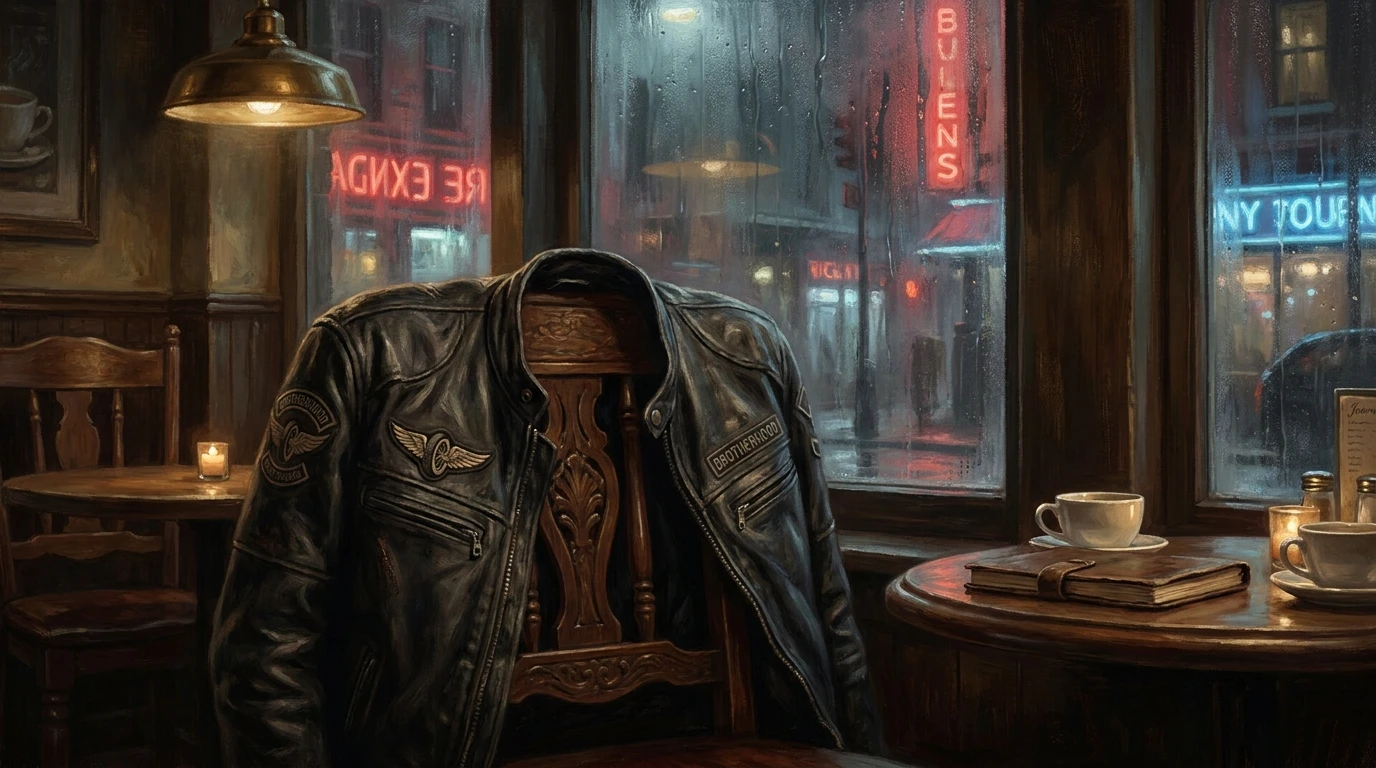
The True Story Behind the Toby Mitchell Bikie Phenomenon
When you hear the phrase toby mitchell bikie, what exactly comes to mind? For most people, it instantly conjures up images of roaring heavy motorcycles, tightly knit brotherhoods, and heavily sensationalized news headlines that dominate the evening broadcasts. But the reality behind the scenes is far more complex than the movies make it out to be. I want to give you a straight-talking, boots-on-the-ground perspective on how these motorcycle subcultures operate, how the media frames them, and the intense legal battles that surround them.
Back in Kyiv, we have our own distinct motorcycle enthusiast groups who gather near the banks of the Dnipro river during the summer months. However, the culture there is vastly different from the gritty, highly structured Australian outlaw scenes you constantly read about. A good friend of mine, who imports custom choppers into Ukraine, always tells me that the Australian motorcycle club scene operates in a completely different universe, heavily influenced by strict hierarchies and intense police scrutiny. That conversation sparked my obsession with understanding the mechanics behind these organizations.
The core thesis here is simple: the media narrative rarely tells the whole story. By analyzing the structural hierarchy, the legislative pushback from law enforcement, and the psychological bonds of these clubs, we can strip away the sensationalism. We are going straight into the hard facts, looking at exactly how these organizations function and why they trigger such massive legislative reactions from governments worldwide.
The Core Mechanics of Motorcycle Club Culture
To truly understand the environment surrounding a high-profile figure, you need to break down the highly regimented structure of the clubs themselves. These organizations are not just random groups of guys riding bikes on the weekend; they operate with military-like precision, utilizing strict bylaws, internal disciplinary procedures, and designated roles that dictate exactly how each member functions within the larger group. The level of organization often rivals corporate structures.
Understanding this internal ecosystem provides immense value for both sociologists tracking subculture evolution and law enforcement agencies trying to maintain public order. For example, task forces use detailed knowledge of club hierarchies to track sophisticated funding networks, shutting down illicit cash flows rather than just chasing street-level infractions. Another example is how local city councils utilize intelligence on clubhouse infrastructure to implement targeted zoning laws, fundamentally disrupting the physical gathering spaces of these groups without needing a criminal conviction.
Here is a breakdown of how the internal hierarchy typically functions within these highly scrutinized organizations:
| Internal Role | Primary Responsibility | Law Enforcement Focus |
|---|---|---|
| President | Strategic direction, chapter management, and external relations. | Targeted for RICO-style conspiracy charges and asset seizure. |
| Sergeant-at-Arms | Internal discipline, enforcing bylaws, and club security. | Monitored for orchestration of physical altercations and weapons. |
| Road Captain | Logistics of movement, organizing rides, and route security. | Tracked via traffic surveillance and geographic data mapping. |
Authorities do not just rely on random patrols to manage these groups. They utilize highly specific, coordinated tactics designed to fracture the organizational structure from the outside in. The primary methods include:
- Strict Anti-Consorting Legislation: Laws designed to make it a criminal offense for recognized members to communicate with one another, heavily restricting their ability to organize.
- Financial and Asset Auditing: Aggressive targeting of business fronts, real estate, and bank accounts to starve the organization of operational capital.
- Public Relations Warfare: Utilizing media leaks and press conferences to shape public sentiment, ensuring community support for aggressive policing measures.
The Origins of Motorcycle Subcultures
The genesis of the outlaw motorcycle club dates back to the immediate aftermath of World War II. Thousands of young men returned home from the battlefields of Europe and the Pacific feeling completely disconnected from polite civilian society. They missed the intense adrenaline of combat and the unbreakable bonds formed in the trenches. Purchasing cheap military-surplus motorcycles, these veterans banded together to recreate the brotherhood they had lost. Initially, these were just social clubs aimed at blowing off steam, but the intense loyalty forged on the road soon created a deeply insular subculture that rejected mainstream societal norms.
Evolution of the Outlaw Image
As the decades progressed through the 1970s and 1980s, the landscape shifted dramatically. The romanticized image of the free-wheeling nomad slowly morphed into something much more organized. Clubs began adopting a franchise model, establishing distinct chapters across different cities and even international borders. This era saw the introduction of the infamous “1%” diamond patch, a direct response to the American Motorcyclist Association’s claim that 99% of riders were law-abiding citizens. By proudly claiming to be the 1%, these groups embraced their status as outcasts, establishing complex underground economies to fund their lifestyle and defend their territories from rival factions.
The Modern State of the Bikie Lifestyle in 2026
Now that we are deep into 2026, the landscape has completely shifted due to the rapid advancement of technology and legislation. The days of massive, highly visible brawls in public spaces are largely a thing of the past. Today’s environment is defined by encrypted digital communications, sophisticated financial laundering techniques involving cryptocurrency, and a continuous game of chess with specialized cyber-crime task forces. Modern anti-association laws have pushed the culture further underground. Members are highly cautious about wearing their patches in public, adapting to an era where a single facial recognition camera can trigger a parole violation or an arrest warrant.
The Psychology Behind Brotherhood and Loyalty
To decode the mindset of someone deeply embedded in this lifestyle, you have to look at the psychological mechanics of tribalism. Human beings are biologically hardwired to seek out tribes for protection and identity. In high-stress environments, the brain releases specific neurotransmitters like oxytocin and dopamine when an individual feels accepted by a fiercely loyal group. This neurochemical reward system creates a bond that supersedes family, marriage, and personal safety. When an individual takes the oath to join, they are essentially rewiring their psychological baseline to prioritize the survival of the patch above all external legal or moral frameworks.
Legal Frameworks and Anti-Consorting Legislation
The legislative response to motorcycle clubs has been nothing short of aggressive. Governments have realized that traditional criminal law—which requires proving a specific crime was committed by a specific individual—is inefficient against highly organized groups. Instead, they have adopted preemptive legal frameworks. By making the mere act of association illegal, authorities bypass the need to prove a specific crime. If two members grab a coffee, they face prison time.
- Facial Recognition Deployment: Police forces currently utilize advanced biometric scanning at public events to immediately identify and fine known club members.
- Encrypted Device Bans: Possession of certain modified cellular devices lacking GPS capabilities is now heavily penalized in various jurisdictions.
- Asset Confiscation Triggers: Unexplained Wealth Orders allow the state to seize property unless the owner can explicitly prove the legitimate source of their income.
- Clubhouse Fortification Laws: Strict building codes are enforced to prevent clubs from installing steel-reinforced doors, heavily tinted bulletproof glass, or extensive CCTV networks.
Step 1: Analyzing the Media Narrative
Whenever a major incident hits the news, the first thing you must do is separate the objective facts from the sensationalized headlines. Media outlets profit from outrage and fear. Look past the dramatic adjectives and identify the actual charges filed, the specific individuals involved, and whether the incident was a sanctioned club action or an isolated personal dispute.
Step 2: Researching Post-Incident Legislation
Major altercations rarely happen without a political reaction. Track the laws that are proposed immediately following a highly publicized event. Governments frequently use these high-visibility incidents as political leverage to pass sweeping surveillance and anti-association laws that impact the entire population, not just the motorcycle clubs.
Step 3: Tracking the Financial Ecosystems
Follow the money. Rather than focusing on physical territory, look at the business fronts. From tattoo parlors and towing companies to security firms and boxing gyms, understanding the legitimate businesses associated with the culture provides a clear map of how operational funds are generated and washed.
Step 4: Observing Geographic Territories
Different chapters claim different territories, often delineated by specific city blocks, highways, or industrial zones. By mapping out where specific clubhouses are located and where rival groups operate, you can predict where jurisdictional friction is most likely to occur.
Step 5: Understanding Law Enforcement Task Forces
Not all police departments handle these groups. Look into the specialized state or federal task forces—often bearing intimidating acronyms—specifically funded to disrupt club activities. Understanding their mandate, budget, and operational tactics gives you insight into the state’s strategy.
Step 6: Mapping the Club Hierarchy
Identify who holds the key positions. When a high-ranking member is incarcerated, it creates a power vacuum. Analyzing how the group restructures itself during these periods of instability reveals the resilience and depth of their internal talent pool.
Step 7: Evaluating Long-Term Community Impact
Finally, assess how the continuous friction between the clubs and the police impacts the surrounding community. Does the heavy police presence deter other crimes, or does the implementation of strict anti-association laws create an atmosphere of paranoia and civil rights concerns among average citizens?
Myths vs. Reality in Motorcycle Club Culture
The public perception of this subculture is clouded by decades of Hollywood movies and exaggerated rumors. Let us clear the air on some of the most persistent falsehoods.
Myth: Every single member rides a heavily modified motorcycle all day, every day, regardless of the weather or the occasion.
Reality: While the motorcycle is the central symbol of the culture, most members live relatively normal day-to-day lives, driving pickup trucks or family SUVs to commute to their legitimate jobs or run errands.
Myth: These organizations operate with absolute chaos and have zero rules or respect for authority.
Reality: They are actually governed by incredibly strict internal constitutions. Violating a club rule often results in immediate and severe punishment, sometimes far harsher than what the legal justice system would impose.
Myth: Members are completely isolated from normal society and live exclusively on the fringes of the underground.
Reality: Many members are deeply integrated into their local communities, running successful small businesses, paying taxes, and participating in local charity rides that raise thousands of dollars for children’s hospitals.
Myth: The mainstream media provides highly accurate, thoroughly vetted reporting on club activities and internal disputes.
Reality: News reports heavily amplify the violence because it generates massive engagement metrics. The boring, bureaucratic, and mundane realities of running a motorcycle club are deliberately ignored by editors.
Who is exactly involved in these clubs?
Membership is incredibly diverse, ranging from blue-collar tradesmen like mechanics and construction workers to highly educated professionals looking for an escape from corporate monotony.
Do these groups operate internationally?
Absolutely. The major organizations operate on a global franchise model, with interconnected chapters spanning across North America, Europe, Australia, and Asia, all reporting to a central mother chapter.
What is a “1%er” motorcycle club?
The term “1%er” originated from a statement that 99% of motorcyclists are law-abiding citizens. Wearing the 1% patch is a proud declaration of operating outside mainstream societal rules.
Are there female members in these groups?
Traditionally, full-patch membership is strictly limited to men. However, women often play highly significant, though unofficial, roles within the broader social ecosystem of the club.
How are disputes settled within the culture?
Internal disputes are handled through formal sit-downs mediated by the Sergeant-at-Arms or the club President. External disputes with rival groups are negotiated by chapter leaders to avoid triggering massive police crackdowns.
Why do members wear specific patches?
The patches, often referred to as “colors,” are earned through a rigorous probationary period. They visually communicate the wearer’s rank, territory, and absolute allegiance to the brotherhood.
What does the future hold for this subculture?
As surveillance technology continues to advance, the culture will likely become even more decentralized and clandestine, moving away from public displays of dominance to highly secretive, digital-first operational models.
Navigating the complex world surrounding the Toby Mitchell bikie narrative requires critical thinking and a willingness to look past the surface-level noise. From the rigid internal hierarchies to the overwhelming legislative pushback, this subculture is a fascinating case study in loyalty, rebellion, and state power. If you found this breakdown valuable and want to keep expanding your knowledge on the hidden mechanisms of true crime and subcultures, make sure to bookmark our page and share this guide with anyone fascinated by the truth behind the headlines!