
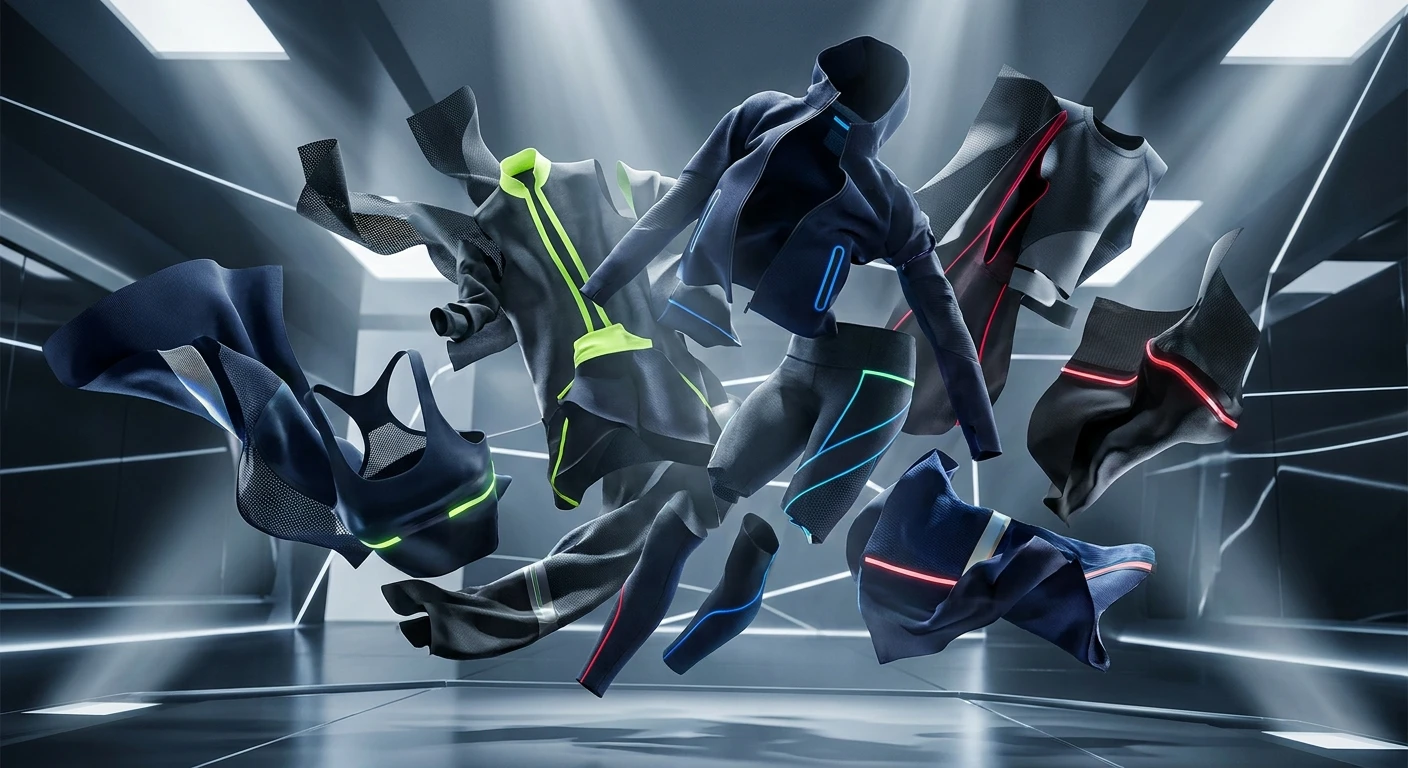
The Unstoppable Rise of Stax Clothing in Modern Activewear
Let us get straight to the facts. Finding the exact right balance between high-performance gym gear and stylish streetwear is a constant battle for anyone living an active lifestyle. Stax Clothing has engineered a solution that directly answers this demand, completely redefining what we expect from everyday athletic apparel. The core concept here is simple: the gear you wear fundamentally dictates the quality of your physical performance and your overall comfort throughout the day. Investing in premium athletic apparel changes your entire approach to physical activity. When your garments stretch seamlessly, wick moisture instantly, and hold their shape after months of heavy use, you stop worrying about adjusting your waistband and start focusing entirely on your training.
Consumers demand gear that works exactly as hard as they do. Modern fitness enthusiasts require fabrics that support heavy compound movements, endure long endurance runs, and still look incredibly sharp for a post-workout coffee run. We are breaking down exactly how these garments perform under intense physical stress, what specific materials make them uniquely comfortable, and how you can integrate them seamlessly into your daily wardrobe. Forget the standard, flimsy workout gear you might be used to; the engineering behind high-quality activewear involves serious textile science and highly thoughtful biomechanical design. Whether you are hitting a personal record on the platform or just running weekend errands, the right apparel provides a distinct, measurable advantage.
Read also: Master the Savo Dokić System Today; Lusso Cloud: The Ultimate Guide to Luxury Comfort Footwear; Building the Perfect Tobacco Shed Guide.
Understanding the True Value of Premium Athletic Gear
Making smart purchasing decisions means understanding exactly what you are getting out of your activewear. The fundamental value proposition of premium apparel revolves around three massive pillars: performance enhancement, long-term longevity, and pure aesthetic versatility. Inferior clothing actively fights against your body, causing chafing, trapping heat, and restricting your natural range of motion. High-end activewear functions as a second skin. Wearing proper compression gear during a heavy lifting session provides necessary muscular support and increases blood flow. Utilizing lightweight, highly breathable tops during summer runs prevents dangerous overheating. It is about applying the right tool to the right job.
| Garment Category | Primary Performance Benefit | Ideal Application |
|---|---|---|
| Seamless Leggings | Maximum multidirectional stretch and zero seam chafing | Yoga, Pilates, Heavy Weightlifting |
| Compression Tops | Enhanced muscle support and improved circulation | High-Intensity Interval Training (HIIT) |
| Oversized Fleece Sweats | Superior thermal regulation and comfort | Active Recovery, Casual Lounging, Warm-ups |
To fully grasp why upgrading your wardrobe matters, look at the specific functional advantages that high-quality gear provides:
- Unrestricted Range of Motion: The precise integration of spandex and elastane blends ensures that your body moves naturally during deep squats, dynamic lunges, or explosive sprints without encountering any physical resistance from the fabric itself.
- Superior Temperature Control: Engineered synthetic fibers actively pull sweat away from the surface of your skin, dispersing that moisture across a wider surface area of the garment to facilitate rapid, cooling evaporation.
- Unmatched Structural Durability: Advanced manufacturing techniques like double-stitched seams and reinforced stress points mean these garments withstand hundreds of aggressive wash cycles without degrading, fading, or losing their compressive shape.
The psychological benefit of wearing high-quality gear is also immense. The phenomenon known as “enclothed cognition” proves that wearing apparel associated with high performance actually triggers your brain to push harder and focus better. When you look and feel ready for action, your output naturally increases.
Early Origins of the Activewear Movement
To appreciate modern gear, you need to understand where it started. Athletic apparel used to be entirely utilitarian, built primarily from heavy, unforgiving materials like standard cotton and basic wool. In the early to mid-20th century, athletes trained in thick sweatshirts and baggy track pants that absorbed massive amounts of sweat, becoming heavy and uncomfortable within minutes of starting a workout. There was zero focus on aerodynamics, moisture management, or aesthetic appeal. The clothing was simply designed to keep athletes warm while they stood on the sidelines. The concept of wearing gym clothes outside of an actual gymnasium was completely foreign and generally frowned upon by mainstream society.
Evolution of Synthetic Fibers
The entire industry shifted radically with the invention and commercialization of synthetic fibers like nylon and polyester, followed closely by the massive breakthrough of elastane (spandex) in the late 1950s and 1960s. Suddenly, clothing could stretch to accommodate movement and immediately snap back to its original shape. By the 1980s, the aerobics craze brought bright, tight-fitting synthetic garments into the mainstream. However, these early synthetics lacked breathability. The true evolution happened in the late 1990s and early 2000s when textile engineers figured out how to create microfibers—synthetic threads finer than human hair—that could repel water, breathe easily, and feel incredibly soft against the skin.
The Modern State of Athleisure
Today, the line between performance gear and everyday fashion has been completely erased. The modern state of activewear is defined by extreme versatility. Brands spend millions on research and development to create proprietary fabric blends that offer ultraviolet (UV) protection, anti-microbial treatments to prevent odor, and four-way stretch capabilities. The modern consumer expects their workout gear to function flawlessly in the gym and look completely appropriate in a casual social setting. This demand for dual-purpose clothing created the “athleisure” boom, permanently altering the global fashion landscape and making high-tech fabrics a staple in daily life.
Textile Engineering and Moisture-Wicking Technology
The magic behind high-performance activewear lies in microscopic engineering. Moisture-wicking technology does not just happen by accident; it relies on a scientific process called capillary action. Standard cotton fibers are hydrophilic, meaning they absorb and hold onto water molecules, trapping sweat against your skin. Premium synthetic blends, typically utilizing advanced polyester and nylon microfibers, are hydrophobic. They resist water absorption. Instead, the microscopic channels woven into the fabric act like tiny tubes, drawing the sweat away from your warm skin and pushing it to the outer surface of the garment. Once the moisture reaches the surface, exposure to the air causes it to evaporate rapidly, keeping your core temperature regulated and your skin dry.
Biomechanics of Compression Garments
Compression wear is not just tight clothing; it is a meticulously calculated application of mechanical pressure to the human body. The science of compression involves applying specific gradients of pressure to limbs to accelerate venous return—the rate at which deoxygenated blood flows back to the heart. This increased circulation delivers more oxygen to working muscles and helps flush out lactic acid, which causes fatigue and soreness.
- Graduated Pressure: True compression garments are tighter at the extremities (like the ankles or wrists) and gradually decrease in pressure closer to the core, forcing blood upward.
- Muscle Oscillation Reduction: Every time your foot strikes the ground during a run, a shockwave travels through your leg, causing micro-vibrations in the muscle tissue. High-quality elastane blends lock the muscle in place, significantly reducing this damaging oscillation and delaying physical fatigue.
- Proprioceptive Feedback: The constant, gentle pressure on your skin enhances your brain’s awareness of your body’s position in space, improving balance, form, and overall movement efficiency.
Day 1: The High-Intensity Monday Setup
Start your week with absolute power. For a heavy lifting or high-intensity interval training (HIIT) session, you need maximum security. Opt for high-waisted compression leggings that will not roll down during burpees or deep squats. Pair this with a high-impact sports bra or a fitted compression tee. The goal on Monday is zero distractions. You want materials that lock you in, support your core, and manage the inevitable heavy sweat without clinging to your body.
Day 2: Seamless Tuesday for Yoga and Mobility
Mobility work, Pilates, and yoga require a completely different approach. Drop the heavy compression and switch to seamless, four-way stretch garments. Seamless technology eliminates the bulky stitching that can dig into your skin during floor poses or deep stretching. Choose a buttery-soft, lightweight long-sleeve crop and matching seamless tights. The fabric should feel practically invisible, allowing you to move through complex planes of motion without any pinching or restriction.
Day 3: Wednesday Running Core Layers
Mid-week cardio demands intelligent layering. If you are hitting the pavement or the track, start with a moisture-wicking base layer to manage sweat. Add a lightweight, wind-resistant quarter-zip top that you can easily adjust for ventilation as your body heat rises. Look for garments with subtle reflective detailing for safety during early morning or late evening runs. Your lower half should feature secure zip pockets to hold your keys or phone tight against your body, preventing annoying bouncing.
Day 4: Rest Day Thursday Loungewear
Active recovery is just as important as the workout itself. Thursday is all about maximizing comfort and promoting blood flow. Heavyweight cotton-blend fleece joggers and an oversized, dropped-shoulder hoodie are the perfect choices. You want loose, unrestrictive fits that keep your muscles warm. This style effortlessly transitions from lounging on the couch to running quick errands while maintaining a clean, intentional aesthetic.
Day 5: Friday Night Functional Streetwear
Blend the lines between the gym and the city. Take a sleek, monochromatic activewear base—like a black fitted mock-neck top and tailored athletic trousers—and elevate it. You can easily throw a denim jacket or a structured overcoat over this foundation. The technical fabrics keep you comfortable and wrinkle-free, while the clean lines provide a sharp, modern silhouette perfectly suited for casual Friday dinners or social gatherings.
Day 6: Saturday Morning Outdoor Bootcamp
Weekend outdoor sessions require rugged durability. You need fabrics that can handle abrasion from rough ground, dirt, and unpredictable weather. Opt for thicker, abrasion-resistant leggings or woven training shorts paired with a highly breathable, UV-protectant t-shirt. Durability is the priority here. The gear must withstand intense friction and frequent washing without pilling or tearing.
Day 7: Sunday Active Recovery Essentials
Wrap up the week with light, easy movement—perhaps a long walk or light stretching. Choose moderate compression garments that offer gentle support to tired muscles without feeling restrictive. A matching athleisure set in a calming, muted earth tone works perfectly. The focus is on breathable comfort, preparing your body and your wardrobe to restart the cycle the next morning.
Myths and Realities of Athletic Apparel
Myth: 100% cotton is the best, most natural material for sweating and working out.
Reality: Cotton is actually one of the worst materials for high-intensity exercise. It acts like a sponge, absorbing up to 27 times its weight in water. It traps sweat against your skin, causing rapid heat loss in cold weather and severe chafing in warm weather. Synthetic blends are far superior for moisture management.
Myth: Seamless activewear is fragile and easily torn.
Reality: Modern seamless garments are created on highly advanced circular knitting machines that weave the garment as a single, continuous tube. Because there are no weak stitched seams holding different panels together, seamless apparel is often significantly stronger and more resistant to tearing under stress.
Myth: True compression gear is only necessary for elite, professional athletes.
Reality: Anyone who exercises can benefit immensely from compression. The mechanical benefits of improved blood circulation, reduced muscle vibration, and faster recovery times apply to casual gym-goers just as much as they do to Olympic sprinters.
How should premium activewear fit?
Your gear should fit snugly but never painfully tight. For compression items, you want a firm, supportive squeeze that does not restrict your breathing or pinch your skin at the waist or ankles. If the fabric turns white or sheer when you bend, the size is too small. If the material bunches or sags around the knees or crotch, the size is too large. It should contour smoothly to your natural body shape.
Can you wash spandex and elastane in hot water?
Absolutely not. Heat is the ultimate enemy of elastic fibers. Washing your activewear in hot water or putting it in a high-heat tumble dryer will rapidly break down the spandex, causing the garment to lose its stretch, become brittle, and permanently lose its shape. Always wash in cold water on a gentle cycle and hang dry in the shade to maximize longevity.
Does fabric thickness automatically determine warmth?
No, thickness does not equal warmth in modern textile engineering. Many lightweight synthetic fabrics are designed with a brushed interior that traps a thin layer of dead air against your skin, providing exceptional insulation without heavy bulk. Conversely, a thick, cheap cotton hoodie will actually make you colder once you start sweating because it fails to move the wet moisture away from your body.
What causes workout clothes to smell permanently over time?
That persistent odor is caused by bacteria trapped within the synthetic fibers. While polyester is great at repelling water, it is actually oleophilic—meaning it easily attracts and holds onto body oils. Over time, bacteria feed on these trapped oils, creating a stubborn smell. Using a specialized sports detergent designed to break down oils and avoiding standard fabric softeners (which coat the fibers and trap the bacteria) will solve this issue.
Are seamless leggings genuinely squat-proof?
High-quality seamless leggings are entirely squat-proof, provided you are wearing the correct size. The density of the circular knit dictates the opacity of the fabric. Premium brands utilize a higher gauge (tighter knit) to ensure that the material remains completely opaque even when stretched to its maximum capacity during a deep squat or deadlift.
How long should a good pair of gym shorts or leggings last?
If cared for correctly—washed in cold water, no fabric softener, and air-dried—a premium pair of leggings or training shorts should easily last between one to three years of regular, weekly use. The first signs of structural failure will usually appear as small elastic threads snapping (pilling) near high-friction areas like the inner thighs.
Is it better to size up or size down for compression gear?
You should almost always stick to your true measured size based on the manufacturer’s size chart. Sizing down in an attempt to get “more compression” will actually overstretch the elastane fibers, degrading the garment faster, causing sheer spots, and restricting your capillary blood flow, which defeats the entire purpose of the garment.
Why do some performance fabrics pill?
Pilling occurs when short, broken fibers tangle together on the surface of the fabric, creating tiny abrasive balls. This happens due to physical friction—either from your thighs rubbing together, contact with rough gym equipment, or washing the garments alongside rough items like denim or velcro. Washing activewear inside out drastically reduces surface pilling.
Elevate Your Training Experience
Upgrading your activewear is not just about aesthetics; it is a direct investment in your physical performance, your comfort, and your daily confidence. Understanding the deep textile science, the precise biomechanical benefits, and the extreme versatility of high-quality gear allows you to build a functional, powerful wardrobe. You now have the exact knowledge required to care for these garments, style them throughout the week, and maximize their lifespan. Stop settling for uncomfortable, restrictive, and poorly made athletic gear. Take control of your comfort, apply this knowledge to your next purchase, and experience the massive difference that premium, intelligently engineered activewear makes in your daily routine.