
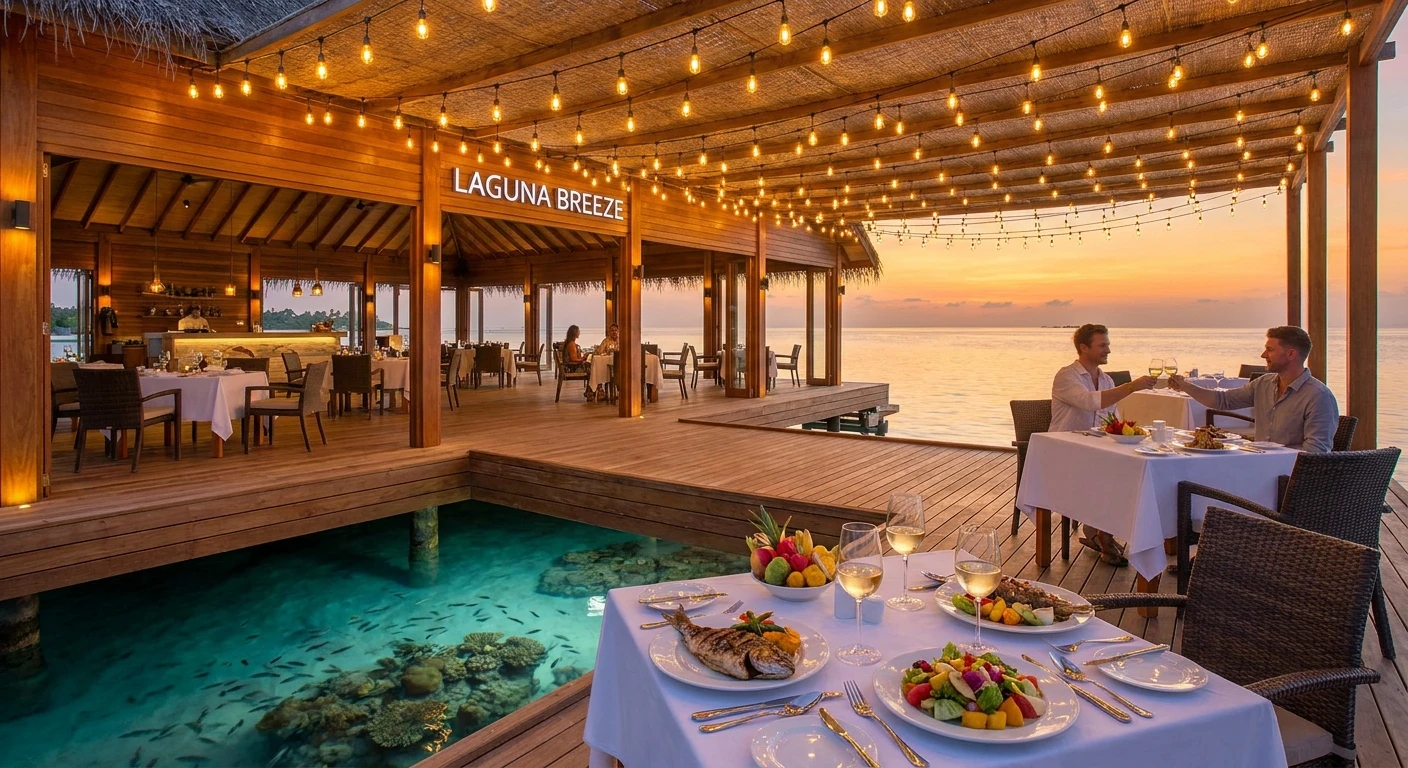
Why You Simply Must Experience a lagoon seafood restaurant Tonight
Finding a truly great lagoon seafood restaurant completely changes the way you think about dinner plans. It is not just about eating; it is an absolute vibe. Dining right by the edge of the water, feeling the cool evening breeze, and tasting dishes made from catches hauled in that very morning is an unmatched lifestyle choice. Honestly, I remember sitting at a tiny coastal spot back in Odesa, Ukraine, right by the Black Sea edge. We were cracking open freshly caught mussels, and the salty wind was whipping around us. It felt like an exclusive local secret. When I recently hit up a beautiful spot on a tropical lagoon, it brought back those exact same Odesa coastal memories. The pure, unpretentious joy of eating seafood right next to the source is just peak living.
We are going to walk through the best ways to maximize your evening, from picking the perfect table to ordering the exact right wine for your fish. By the time you finish reading, you will know exactly how to navigate any waterfront menu. The year 2026 has brought some wild culinary innovations to these venues, mixing hyper-local sourcing with insane flavor profiles. Forget those stuffy, boring indoor dinners. You deserve a sensory feast, and getting out to the water is exactly how you make that happen.
The Core Benefits of Waterfront Dining
There is something genuinely incredible about eating food mere steps from where it was naturally sourced. The biggest and most obvious benefit of choosing this type of venue is the undeniable freshness. When you order from a kitchen that sits on a pier or a coastal edge, the supply chain is practically zero. You get all the rich omega-3 benefits without the heavy, texture-ruining freezing processes that landlocked places have to rely on. Plus, the psychological boost of sitting near a calm body of water instantly lowers your stress levels.
You get unmatched atmosphere combined with serious culinary excellence. For instance, eating raw local oysters that were harvested that very morning offers a sweet, briny, metallic flavor you simply cannot replicate when they have been sitting in a truck for three days. Another amazing example is enjoying a whole grilled branzino, stuffed with wild coastal herbs and fresh lemon, eating it while the actual salty sea air surrounds you. It elevates the whole plate.
| Dining Environment | Freshness Factor | Atmosphere & Vibe |
|---|---|---|
| Coastal Lagoon Setup | Maximum (Often Zero-Day Catch) | Relaxing, Breezy, Scenic |
| Downtown City Diner | Medium (Transported on Ice) | Noisy, Cramped, Rushed |
| Chain Seafood Joint | Low (Heavily Frozen) | Synthetic, Loud, Artificial |
Here is exactly how you can spot a genuinely top-tier spot when you are looking for your next dinner out:
- Check the daily catch chalkboard: A real, authentic kitchen always has a rotating menu based on what the local fishing boats brought in that specific morning.
- Pay attention to the smell: A high-quality coastal venue smells exactly like a fresh ocean breeze, never strongly or pungently of old fish.
- Look at the clientele: If local fishermen, dock workers, and longtime residents are eating there alongside the tourists, you know the kitchen is completely legit and respects the craft.
Origins of Coastal Culinary Culture
Historically, eating by the water was not some luxury aesthetic; it was pure, basic survival for coastal communities. Generations ago, fishermen would set up tiny, humble wooden shacks right on the shoreline. They cooked whatever they could not sell at the crack of dawn at the morning market. Over time, passing travelers and merchants realized these little shacks offered the most flavorful, tender, and honest meals available anywhere. The rustic charm naturally drew in crowds who wanted authentic flavors without any of the exhausting, pretentious rules of traditional high-society dining.
The Evolution of the Waterfront Experience
As the decades rolled by, these humble shacks began to slowly transform. Really clever, ambitious chefs started ditching massive cities and migrating to the coast. They started combining crazy high-end culinary techniques with the raw, fresh ingredients pulled straight from the docks. They upgraded the rickety wooden crates to plush, comfortable outdoor lounges. By the time the late 1990s and early 2000s hit, the entire concept had shifted. It became a highly sought-after destination experience. People started driving hours just for the ambiance. This evolution brought way better wine pairings, crazy sophisticated wood-fire grilling methods, and a much wider variety of imported spices designed specifically to complement the delicate local catch.
The Modern State of Lagoon Venues
Now, as we cruise through 2026, the modern setup is basically an architectural marvel. Designers intentionally build these spaces to blend seamlessly with the natural aquatic environment. You will regularly find transparent glass floors, eco-friendly ambient lighting that does not mess with the local marine life, and massive open-air kitchens where you can watch the magic happen. The current era focuses massively on sustainability, ensuring that every single dish served totally respects the local ecosystem. You just sit back, listen to the water lapping against the wooden deck, and enjoy food that defines the absolute peak of modern gastronomy.
The Science of Seafood Freshness
Let me break down exactly what happens to a fish the second it leaves the water. The moment a catch is secured, naturally occurring enzymes and bacteria immediately begin to break down the muscle tissue. This rapid chemical process produces amines, which are the specific organic compounds that cause that super strong, off-putting fishy odor everyone hates. By dining directly at the source, you completely interrupt this chemical breakdown. The transport time is cut from several days to literally a few minutes. This lightning-fast transition from the water to ice and straight to the grill perfectly preserves the delicate protein structures. As a result, the texture remains beautifully firm yet flaky, and the natural sweetness of the meat is entirely locked in. You are essentially tasting the ocean’s chemistry in its most pristine, unaltered state.
Flavor Profiles and Salinity Levels
The exact geographical location of the water massively dictates the flavor profile of your meal. Coastal inlets and protected bays are unique because they often mix fresh river runoff with salty ocean tides, creating brackish environments. This highly specific salinity completely alters the diet of the local marine life, which in turn drastically flavors the meat you end up eating.
- Brackish water bivalves develop a distinctly mild sweetness because they store different types of glycogen compared to their deep-ocean counterparts.
- Rapid chilling halts enzymatic degradation almost instantly, meaning you retain significantly higher levels of heart-healthy Omega-3 fatty acids.
- The amino acid known as glutamate naturally occurs in freshly caught shellfish, providing an intense, explosive umami flavor that completely diminishes over time when food sits in a frozen transit truck.
Step 1: Making the Perfect Reservation
To get the absolute best experience, you need to be strategic and book a table right at the edge of the outdoor deck. Call them up directly and specifically request front-row water views for sunset. Timing is literally everything, so figure out when the sun goes down and book 45 minutes before that.
Step 2: Starting with Raw Elegance
Always begin your culinary journey with cold, raw appetizers. Order some local oysters on the half shell or a highly acidic fresh ceviche to wake up your palate. The bright citrus acidity of the lime perfectly balances the salty ocean brine, setting the tone for the rest of the night.
Step 3: Pairing the Right Wine
Forget the heavy, tannic red wines for a minute. You need a crisp, bone-dry white wine like a New Zealand Sauvignon Blanc or a Spanish Albariño. The bright, zippy acidity cuts right through the richness of the buttery sauces and the natural oils of the fish.
Step 4: Choosing the Main Catch
Always ask your server what was caught literally today. If they confidently recommend the grilled snapper or the whole roasted sea bass, you need to trust their judgment. The daily chalkboard special is almost always the smartest, most delicious bet you can make.
Step 5: Perfecting the Side Dishes
Keep your side dishes relatively light and super fresh. Heavy, creamy potato dishes will just weigh you down and mask the delicate flavors. Opt for charred asparagus, a citrus-infused quinoa salad, or lightly sautéed spinach with garlic to complement your main protein perfectly.
Step 6: Pacing Your Meal Appropriately
Do not rush this. The whole entire point of being out by the water is to soak in the incredible atmosphere. Take deliberate breaks between your courses, enjoy the cool breeze, chat with your friends, and sip your wine slowly as the stars come out.
Step 7: Finishing with a Light Dessert
After a rich, intensely savory meal, you have to end with something completely refreshing. A tangy lemon sorbet, a light passionfruit tart, or just fresh seasonal berries cleanses the palate beautifully. You will leave feeling completely satisfied but never uncomfortably stuffed.
Myths & Reality About Coastal Dining
Myth: Seafood joints by the water are always overpriced tourist traps just charging you for the view.
Reality: While some lazy tourist spots definitely exist, genuine places invest extremely heavily in sourcing premium local catches from independent fishermen. You are paying for absolute zero-day freshness, which requires immense, costly logistical effort behind the scenes.
Myth: You should only ever eat raw oysters in months containing the letter “R”.
Reality: With modern, high-tech refrigeration and brilliant sustainable farming practices, you can safely, responsibly, and deliciously consume high-quality oysters all year round without any worry.
Myth: All white fish basically tastes exactly the same if you cook it in butter and garlic.
Reality: Freshly caught fish has highly nuanced, complex flavor profiles. A delicate, sweet flounder tastes drastically different from a robust, meaty swordfish. Heavy sauces often just mask these beautiful, natural biological differences.
Is there a strict dress code for these places?
Usually, the vibe is smart casual. You can wear nice linen shirts and breezy dresses, but always quickly check their website first just to be totally sure.
Do they serve non-seafood options for my friend?
Yes, almost all premium places offer high-quality steaks, roasted chicken, or elaborate vegetarian dishes to perfectly accommodate all types of guests.
Are reservations absolutely mandatory?
Highly recommended. If you want that prime sunset hour slot or are going on a weekend, you definitely need to lock that in early.
Is it safe for people with bad shellfish allergies?
Always notify the kitchen immediately. Cross-contamination is a real risk, but professional, high-end kitchens know exactly how to handle it safely.
Can I bring my own special bottle of wine?
Many venues do offer a standard corkage fee, but you should call ahead to confirm their exact policy before showing up with a bottle.
Are these restaurants generally family-friendly?
Yes, they usually are during the day, though late evenings definitely lean towards a much more romantic, adult-focused atmosphere.
Is the catch actually from the water right next to me?
Authentic spots prioritize hyper-local sourcing for their main dishes, though some specific specialty items might naturally be imported.
Visiting a great lagoon seafood restaurant is way more than just grabbing dinner; it is a fully immersive sensory escape from daily life. Go ahead and book your table right now, breathe in that amazing salty air, and treat yourself to the absolute freshest, most incredible flavors the ocean has to offer today!