
Discovering the World of gina chick
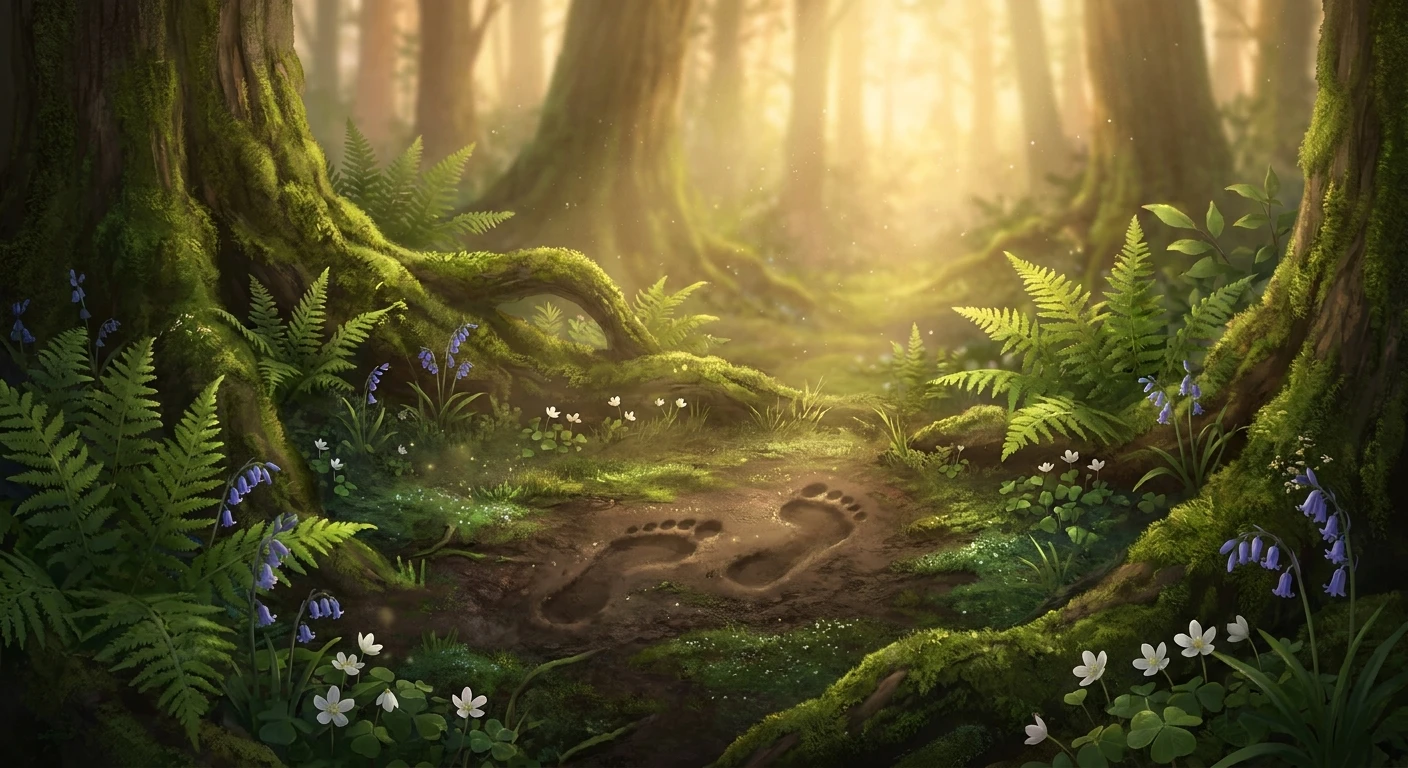
Hey, if you haven’t heard about gina chick by now, you are seriously missing out on one of the wildest, most inspiring survival stories out there. Seriously, I was just messaging a buddy about her the other day because her whole approach to life completely flipped my perspective on what humans are actually capable of. You see her out there in the freezing mud, totally barefoot, just singing to the trees, and you instantly realize this isn’t your average television survivalist trying to tough it out against the elements.
Sitting in a cozy cafe in Kyiv last week during one of our routine winter energy blackouts, a friend and I were jokingly bragging about our “survival skills” just because we had a fully charged power bank, two flashlights, and a thermos of hot tea. But then our conversation shifted to what real, raw wilderness survival looks like, and her name immediately came up. When you compare our mild city inconveniences to someone spending weeks alone in the brutal Tasmanian wilderness without modern gear, it makes you pause and think. Her thesis is incredibly simple but powerful: we don’t need to fight nature to survive; we just need to remember that we are a part of it. She proves that radical acceptance and emotional connection to the earth can keep you warmer and safer than the most expensive tactical gear money can buy. This is why people are so obsessed with her story.
Read also: Tree of Wisdom Wiggles: The Ultimate Expert Guide; How to Survive a kimberley cyclone Safely.
Let’s talk about the absolute core of what makes her methods so completely different from the hardcore, military-style survival guys you usually see online. Instead of looking at a forest as an enemy to defeat, she treats it like a familiar neighborhood. It’s all about working with the ecosystem rather than forcing your will upon it. This mindset shifts the entire dynamic of wilderness living. The value proposition of adopting even a fraction of her philosophy is massive: you get lower stress levels, a deeper appreciation for simple things, and a totally resilient nervous system. Take fire-making, for example. For most, it’s a frantic rush to get warm. For her, it’s a slow, deliberate ritual of thanking the wood and staying entirely calm. Or look at mental resilience—instead of bottling up loneliness, she actively talks to the plants, the animals, and the rivers, maintaining her social sanity by befriending the landscape.
| Wilderness Skill | Practical Application | Everyday Life Benefit |
|---|---|---|
| Barefoot Walking | Navigating terrain quietly and safely | Grounding, reducing inflammation, better balance |
| Foraging | Finding nutrient-dense wild foods | Connecting with local ecosystems, seasonal eating |
| Emotional Regulation | Preventing panic in dangerous weather | Managing daily stress and anxiety at work |
If you want to start adopting some of this incredible mindset, here is how you can begin doing it right now:
- Take your shoes off outside: Start small. Just stand in your local park or backyard barefoot for ten minutes a day. Feel the texture of the dirt and grass. It wakes up the nerve endings in your feet that have been asleep inside sneakers your whole life.
- Talk to your environment: It sounds crazy until you do it. Acknowledge a big old tree on your morning walk. Say hello to the birds. It totally shifts you out of your own head and stops the endless loop of stressful thoughts.
- Embrace the discomfort of the cold: Stop cranking the heater the second you feel a chill. Let your body remember how to heat itself. End your morning shower with thirty seconds of freezing water to shock your system awake.
- Learn one local plant a week: You don’t need to be a master botanist. Just pick one weed growing through the sidewalk cracks, figure out what it is, and learn its history. It makes the world feel infinitely richer.
The Early Origins of a Nature Lover
You can’t really grasp who she is without looking back at where she started. She didn’t just wake up one day and decide to be a wilderness expert. Her early years were deeply rooted in a profound love for the natural world and an almost primal urge to stay connected to the earth. Growing up, she was always drawn to the dirt, the trees, and the untamed edges of civilization. Long before she was a household name, she was exploring the healing power of dance, rhythm, and indigenous philosophies. Her background isn’t in military tactics; it’s in human movement, trauma healing, and deep ecological connection. This foundation is crucial because it explains why she never looks panicked when things go wrong in the wild—she has spent decades training her nervous system to find peace in chaotic, unpredictable environments.
Evolution into a Wilderness Expert
Her evolution wasn’t a straight line. She spent years facilitating rewilding retreats, helping overly stressed city folks remember how to light fires, track animals, and just exist outside without looking at a smartphone. She literally taught people how to be human again. Through these programs, she honed her own skills, learning not just how to survive, but how to thrive and find joy in incredibly harsh conditions. She mastered the art of building debris huts, weaving, and foraging not by fighting the elements, but by sinking deeply into them. When tragedy struck her personal life with the heartbreaking loss of her daughter, her connection to nature became her ultimate sanctuary. The wilderness wasn’t just a place to test her physical limits; it became the only container large enough to hold her grief, turning her survival skills into a profound spiritual practice.
The Modern State of Her Journey
Now that we are solidly in 2026, her impact has grown exponentially. Winning a brutal television survival challenge was just the catalyst. Today, she is the leading voice for the global rewilding movement. People are exhausted by screens, artificial intelligence, and the sterile nature of modern cities. They are looking at her barefoot, joyful approach and thinking, “I want some of that.” She travels, speaks, and continues to teach, proving that her time in the Tasmanian mud wasn’t a fluke but a testament to a lifestyle that anyone can learn from. She has single-handedly redefined what it means to be a badass survivalist—trading tactical knives and aggression for empathy, joy, and a ridiculously deep connection to the dirt beneath our feet.
The Physiology of Cold Exposure
Let’s get a bit nerdy for a second and look at the actual science behind her methods, especially how she handles freezing temperatures. When you watch her jump into a glacial river or sleep on the frozen ground, she isn’t just ignoring the pain—her body is undergoing massive physiological changes. The human body has something called brown adipose tissue, or brown fat. Unlike regular white fat, which just stores energy, brown fat burns calories to generate heat through a process called non-shivering thermogenesis. By constantly exposing herself to the cold without immediately reaching for a heavy jacket, she has essentially trained her body to become an internal furnace. Her nervous system also down-regulates the panic response. When most of us hit freezing water, we gasp, our heart rate spikes, and we panic. She breathes out, slows her heart down, and forces her parasympathetic nervous system to take control.
Psychological Resilience in Isolation
The mental game is even wilder. Total isolation completely fractures the human mind within days if you aren’t prepared for it. We are social primates; without a tribe, our brains interpret isolation as a literal threat to our lives, flooding our bodies with cortisol. Here is the science behind why her methods work so perfectly:
- Anthropomorphism as a coping mechanism: By talking to the wallabies, the birds, and the trees, she tricks her brain’s social circuits into feeling accompanied, keeping isolation-induced psychosis at bay.
- Grounding (Earthing): Walking barefoot isn’t just a hippie aesthetic. Direct physical contact with the earth allows a transfer of free electrons into the body, which scientific studies have linked to reduced inflammation and better sleep.
- Dopamine baseline reset: By removing all artificial stimuli (no phones, no sugar, no fast-paced media), her brain’s dopamine receptors reset. Suddenly, finding a single edible berry or watching the sunrise delivers a massive, euphoric chemical reward.
- Flow state activation: When she weaves baskets or builds shelter, she enters a flow state, which alters brainwave activity from beta (active thinking) to alpha and theta (deep relaxation and creativity).
Day 1: Reconnecting Your Feet to the Earth
Alright, you want to try this out? Let’s do a 7-day rewilding sprint. Day one is all about the feet. You are going to take your shoes and socks off and walk on natural ground for twenty minutes. It could be grass, sand, or a dirt trail. Pay attention to how sensitive your soles are. Notice the temperature changes. This wakes up the thousands of nerve endings in your feet that send direct signals to your brain about your environment.
Day 2: Cold Water Immersion Basics
On day two, we tackle the cold. You don’t need to jump into a frozen lake just yet. Simply take your normal warm shower, but for the last sixty seconds, turn the dial all the way to cold. The trick here is your breath. Do not gasp or tense your shoulders. Force yourself to exhale slowly and relax your face. You are training your nervous system to stay calm under sudden environmental stress.
Day 3: Fasting from Digital Noise
Day three is harder than the cold water for most people. For 24 hours, you are going to put your phone in a drawer, turn off the TV, and shut the laptop. No podcasts playing in the background either. Let your brain experience actual silence. Notice the withdrawal symptoms and the twitch in your hand reaching for a screen. Sit with that discomfort and let your mind wander.
Day 4: Learning to Identify Local Flora
On day four, grab a local field guide or use a plant identification app (okay, you can use your phone briefly for this). Go outside and identify three native plants growing near your home. Learn their names, their traditional uses, and whether they are edible or toxic. Suddenly, the “green blur” of the background becomes a detailed, familiar neighborhood of distinct species.
Day 5: Sitting in Absolute Silence
Find a spot outside. It can be a local park or just your porch. For thirty minutes, you are going to do something called a “sit spot.” You don’t meditate, you don’t read, you just sit and observe. Watch how the birds behave. See where the wind is coming from. If you stay still long enough, the wildlife will forget you are there and return to their natural rhythms.
Day 6: Practicing Primal Movement
Our bodies weren’t meant to sit in office chairs all day. On day six, get on the ground. Crawl, squat, hang from a tree branch, balance on a narrow log. Move in ways that require you to use your core and stabilizers. It will feel awkward and maybe a bit silly, but this is how human bodies were designed to navigate complex, uneven terrain.
Day 7: Sleeping Without Synthetic Comforts
For the final day, ditch the heavy mattress and temperature-controlled room. Try sleeping in a sleeping bag on your living room floor, or better yet, pitch a tent in the backyard. Open the windows to let the night air in. Experience what it feels like to wake up with the sun and the morning chill, resetting your circadian rhythm back to nature’s clock.
There is a lot of nonsense floating around about wilderness survival, so let’s clear things up.
Myth: You need expensive, high-tech gear to survive in the wild.
Reality: She went into one of the harshest environments on earth with minimal, primitive gear and absolutely dominated. Knowledge, emotional regulation, and creativity are vastly more important than a thousand-dollar waterproof jacket.
Myth: Survival is about “conquering” or fighting nature.
Reality: The people who try to fight nature usually end up tapping out early due to exhaustion and mental breakdowns. True survival is about blending in, moving slowly, and cooperating with the ecosystem around you.
Myth: You have to be a young, peak-performance athlete to handle extreme wilderness.
Reality: She won a brutal survival challenge in her mid-fifties, completely outlasting much younger, traditionally fit competitors because her mental game and emotional resilience were absolutely bulletproof.
Who exactly is gina chick?
She is an Australian wilderness expert, rewilding facilitator, and television personality who gained massive fame for her unique, deeply spiritual approach to surviving alone in harsh environments.
Did she really go barefoot the whole time?
Yes, pretty much! She is famous for ditching shoes to maintain a tactile connection with the earth, which helps her move silently and feel totally grounded, even in freezing mud.
What is the concept of rewilding?
Rewilding is the process of unlearning modern, synthetic habits and relearning how to live in harmony with nature, focusing on primitive skills, emotional connection to the land, and primal movement.
How did she handle the extreme cold?
Instead of panicking, she used mental framing to welcome the cold, paired with deep breathing techniques and a well-constructed debris shelter to trap her body heat effectively.
Can anyone learn her techniques?
Absolutely. You don’t have to live in the woods to practice her methods. Going barefoot in the park, learning local plants, and practicing emotional calmness are things anyone can do.
What was her shelter like?
She built incredibly insulated shelters using natural materials like branches, moss, and deep layers of debris to create a microclimate that kept the freezing winds out.
Why is her mindset so unique?
Because she views nature as a friend and mother, rather than an adversary. She sings, dances, and talks to the environment, completely removing the aggressive, combative energy usually seen in survivalists.
What is she up to in 2026?
She is running massive rewilding workshops, writing, speaking globally, and continuing to inspire millions of people to log off their computers and step barefoot into the dirt.
Look, the biggest takeaway here is that you don’t need to be dropped into a freezing forest to benefit from her wisdom. By just adopting a fraction of her radical joy and deep respect for the natural world, you can completely change how you handle daily stress. So go ahead, kick off your shoes, step outside, and start your own rewilding journey today!