Understanding the Sudden Soapy Taste in Mouth
Waking up or finishing a meal only to notice a distinct soapy taste in mouth can be an incredibly jarring experience. You might immediately wonder if you accidentally ingested residual dish detergent or if something is medically wrong with your taste buds. This unexpected flavor profile is actually a known sensory phenomenon rooted in biology, genetics, and oral chemistry. Experiencing this strange sensation happens when there is a mismatch or disruption in the way your olfactory and gustatory systems process chemical compounds. Our primary goal is to help you figure out exactly why your body is sending you these soapy signals and what you can do to restore your normal palate.
This peculiar flavor distortion, medically referred to as a form of dysgeusia, stems from various triggers ranging from hereditary genetic markers and dietary habits to dental hygiene products and underlying neurological or medical conditions. Far from being an isolated, unexplainable mystery, a soapy flavor profile is your body’s direct response to specific alkaline compounds, aldehyde chemicals, or changes in your saliva production. By breaking down the physiological mechanisms at play, you can quickly identify the root cause, adjust your daily routines, and eliminate the unpleasant taste. Let us walk through the core causes, the fascinating biology behind taste receptors, and a proven protocol for regaining your natural sense of flavor.
Read also: Learn how do pimple patches work today; How to Wash Wool Blanket Safely at Home: A Complete Guide; kadir ors: A Complete Guide to Success.
The Core Causes and Biological Triggers
When you encounter a soapy flavor without having actually eaten soap, your taste receptors are essentially misfiring or reacting to specific molecules that mimic the chemical structure of cleaning agents. The human tongue is a complex chemical analyzer. When it encounters high alkalinity, heavy mineral concentrations, or specific aldehydes, it translates these inputs as ‘soapy.’ Identifying the root cause is the most effective way to restore your normal taste function quickly. The value of pinpointing the exact trigger is massive: it saves you from unnecessary medical anxiety and allows you to implement a targeted, immediate fix. For example, if you just ate a meal heavy in cilantro, your genetic makeup might be the sole reason for the dish detergent flavor. Alternatively, if you recently started a new course of antibiotics, the medication might be altering the pH balance of your saliva.
| Trigger Category | Common Source | Biological Reaction |
|---|---|---|
| Genetics & Diet | Cilantro (Coriander), Carrots | OR6A2 gene receptor activation by aldehydes |
| Medications | Anti-anxiety drugs, Antibiotics | Altered saliva pH and suppressed salivary flow |
| Oral Hygiene | Unrinsed fluoride toothpaste | Chemical residue interacting with oral bacteria |
| Neurological | Viral infections (e.g., COVID-19) | Cranial nerve inflammation distorting taste signals |
To narrow down exactly what is causing your symptoms, you can follow a systematic process of elimination. Here are the logical steps to identify the culprit behind your altered taste:
- Track your recent meals meticulously and note any new herbs, spices, or genetically polarizing foods like cilantro that you have consumed.
- Check your current daily medication and supplement list, looking up each one to see if dysgeusia or xerostomia (dry mouth) is listed as a potential side effect.
- Evaluate your mouthwash, toothpaste, and dental floss for heavy alkaline ingredients, artificial sweeteners, or strong fluoride concentrations that might linger on your palate.
- Monitor your hydration levels, as a lack of fluid intake can concentrate the minerals in your saliva, creating an artificially high pH that tastes like soap.
- Schedule a professional dental checkup if the sensation persists beyond a few days, as hidden gingivitis or silent acid reflux could be altering your oral environment.
Origins of the Phenomenon
The human ability to detect a soapy or bitter flavor is not an evolutionary accident; it is an ancient survival mechanism. Historically, early human ancestors relied heavily on their highly sensitive taste buds to differentiate between safe, nutrient-dense foods and potentially lethal, toxic plants. Many poisonous plants contain high levels of alkaline compounds and saponins. Saponins are naturally occurring plant chemicals that actually produce a soapy lather when mixed with water or human saliva. When our ancestors consumed a plant rich in saponins, the resulting soapy flavor acted as an immediate biological warning system, prompting them to spit the food out before ingesting a dangerous toxin. This evolutionary trait has been preserved in modern human genetics, keeping our sensory pathways highly attuned to these specific chemical structures.
Evolution of Taste Diagnostics
Historically, when patients complained of a soapy or metallic flavor, medical professionals had very few tools to diagnose the issue, often dismissing it as a subjective or psychosomatic complaint. It was not until the late twentieth century that researchers began mapping the human genome and linking specific genes to taste perception. The breakthrough came when scientists isolated the OR6A2 olfactory receptor gene. This discovery proved that a soapy flavor response to certain foods was a measurable, genetic reality rather than a figment of a patient’s imagination. Diagnostics evolved from simple physical examinations of the tongue to complex genetic testing and chemical saliva analysis, validating the experiences of millions of people worldwide.
Modern State of Sensory Science
Today, sensory science understands that taste and smell are deeply interconnected systems rather than isolated senses. Modern research shows that a soapy flavor is rarely processed by the tongue alone; it is heavily reliant on the olfactory bulb located in the nasal cavity. When you chew food or swallow, volatile organic compounds travel up the back of your throat into your nasal passages, an action known as retronasal olfaction. Modern sensory scientists recognize that disruptions in this retronasal pathway—whether from a sinus infection, a viral illness, or environmental allergies—can easily cause perfectly normal foods to register as dish soap. This holistic view of the human airway and digestive tract has revolutionized how ear, nose, and throat specialists treat chronic dysgeusia today.
The Scientific and Technical Deep Dive
The Anatomy of Dysgeusia
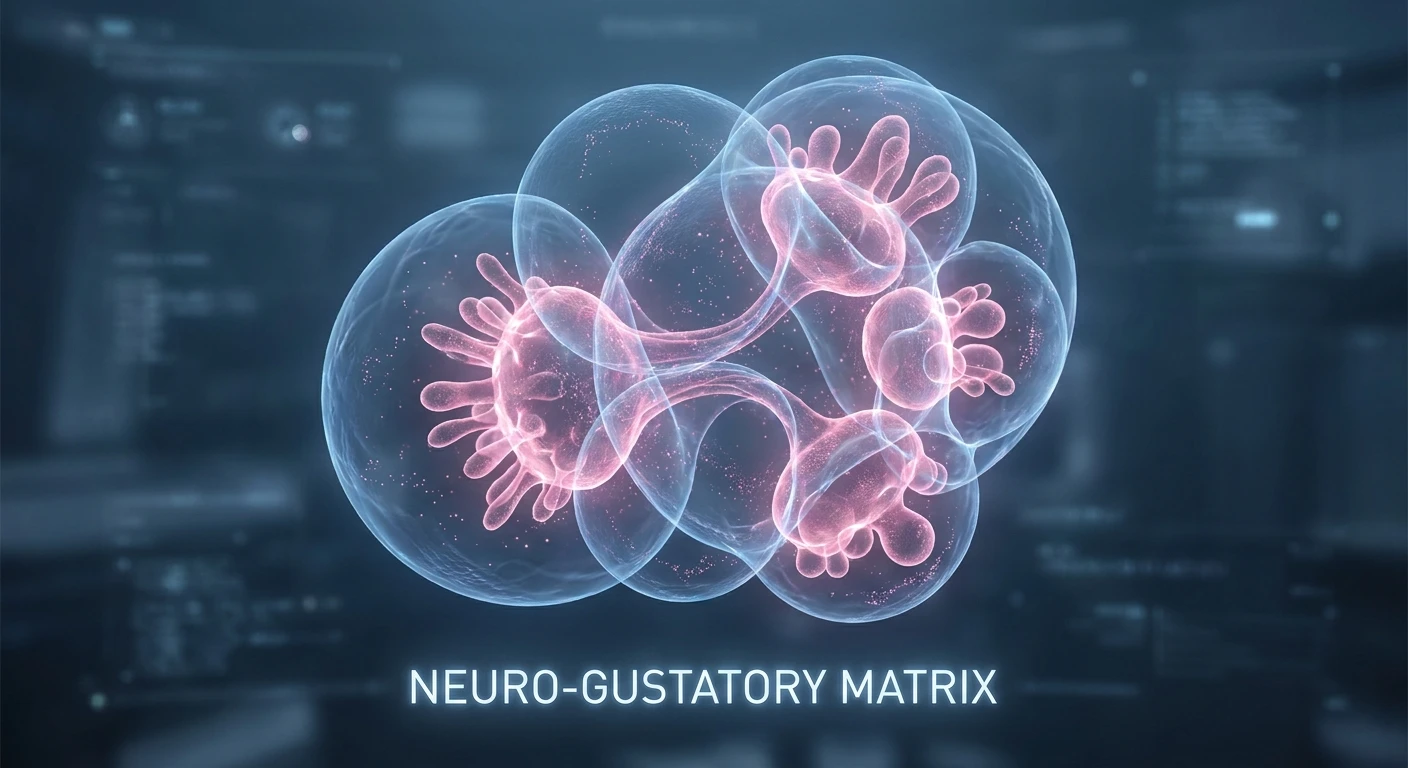
To truly understand why things taste like soap, you must look at the microscopic anatomy of your mouth. Your tongue is covered in tiny bumps called papillae, which house your taste buds. These taste buds contain specialized gustatory receptor cells that react to five basic taste profiles: sweet, salty, sour, bitter, and umami. Dysgeusia occurs when these receptor cells become damaged, inflamed, or chemically confused. When the pH level of your saliva shifts toward a highly alkaline state—often due to dehydration or acid reflux overcompensating—the receptor cells responsible for detecting bitterness are disproportionately activated. The brain receives these skewed electrical signals via the facial and glossopharyngeal cranial nerves, translating the abnormal alkaline environment into the closest recognizable flavor: soap.
Chemical and Genetic Factors
The most famous chemical catalyst for a soapy flavor involves the aldehydes found in the leaves of the coriander plant, commonly known as cilantro. Aldehydes are organic compounds that are also heavily utilized in the manufacturing of commercial soaps and lotions. For individuals who carry a specific variant of the OR6A2 gene, their olfactory receptors are hyper-sensitive to these aldehyde molecules. Instead of tasting a fresh, citrusy herb, their brains instantly register the chemical signature of soap. Beyond genetics, basic oral chemistry plays a massive role. Saliva is meant to have a neutral pH of around 6.2 to 7.6. When strong fluoride treatments, baking soda toothpastes, or certain oral medications dissolve in the mouth, they can momentarily spike the local pH level. Here are some precise scientific facts detailing this process:
- The OR6A2 olfactory receptor gene specifically detects the aldehyde chemicals present in both coriander leaves and commercial cleaning products.
- Saponins, found in legumes, quinoa, and certain vegetables, are natural amphipathic glycosides that chemically behave like soap surfactants in the mouth.
- A sudden drop in saliva production, clinically known as xerostomia, concentrates calcium and phosphate minerals in the mouth, mimicking an alkaline, soapy flavor.
- Certain systemic viral infections can temporarily rewire the cranial nerves responsible for transmitting accurate taste signals from the fungiform papillae to the brain.
- Silent acid reflux (LPR) can deposit stomach enzymes like pepsin into the oral cavity, which subsequently alters the chemical breakdown of food and distorts its flavor.
Actionable 7-Day Taste Reset Protocol
If you are frustrated by this persistent flavor and want to return to normal, a structured approach is the safest and most effective method. This 7-day protocol is designed to eliminate common triggers, balance your oral pH, and stimulate healthy saliva production.
Day 1: The Oral Hygiene Audit
Your first step is to completely overhaul the products you put into your mouth. For the next week, discontinue the use of harsh, alcohol-based mouthwashes and heavily flavored, baking-soda or tartar-control toothpastes. Switch to a mild, unflavored, or natural toothpaste. Many commercial dental products leave a residual chemical film on the tongue that interacts with food, creating a soapy lather and taste. Simplifying your oral care routine eliminates this variable immediately.
Day 2: Hydration and Saliva Stimulation
Dehydration is a leading cause of concentrated, alkaline saliva. On the second day, aggressively increase your pure water intake. Aim for at least eight to ten large glasses of water throughout the day. To kickstart your salivary glands, chew sugar-free gum containing xylitol. Xylitol not only stimulates robust saliva flow but also helps prevent the growth of bad bacteria that can contribute to foul or soapy tastes in the mouth.
Day 3: Dietary Elimination
Take strict control of your diet by eliminating foods known to trigger dysgeusia. Cut out cilantro entirely, even as a garnish. Avoid quinoa unless it is aggressively rinsed, as the natural saponin coating on the seeds is notorious for tasting like soap. Additionally, temporarily remove highly processed foods and artificial sweeteners from your meals, as complex chemical preservatives can sometimes leave strange aftertastes when they interact with your digestive enzymes.
Day 4: Acidic Balancing
If your mouth has become overly alkaline, you need to gently introduce safe, mild acids to neutralize the environment. Start your morning with a glass of water containing a small squeeze of fresh lemon juice. The natural citric acid will encourage your salivary glands to flush out the mouth while simultaneously neutralizing any lingering alkaline compounds on your tongue. Be sure to rinse with plain water afterward to protect your tooth enamel.
Day 5: Medication Review
By day five, if the soapy flavor persists, it is time to evaluate your medicine cabinet. Sit down and read the warning labels on all your prescriptions, over-the-counter allergy pills, and vitamin supplements. Drugs used for anxiety, depression, high blood pressure, and bacterial infections frequently list taste alterations as a side effect. Do not stop taking your medication, but make a detailed note to discuss alternatives with your primary care physician.
Day 6: Tongue Scraping Protocol
Sometimes, the root cause is a buildup of a microbial biofilm on the back of the tongue. This biofilm can trap food particles, dead cells, and chemical residues from toothpaste. Incorporate a high-quality copper or medical-grade stainless steel tongue scraper into your morning and evening routine. Gently scrape from the back of the tongue to the front to manually remove this layer, which can drastically improve receptor function and clarity of taste.
Day 7: Professional Assessment
If you have diligently followed the protocol for a full week and the soapy sensation remains as strong as ever, it is time to seek professional intervention. Book an appointment with your dentist to rule out hidden oral infections, gum disease, or faulty dental fillings. If your mouth is completely healthy, consult an ear, nose, and throat (ENT) specialist or a neurologist, as persistent dysgeusia could indicate a lingering sinus issue, a vitamin deficiency, or a nerve conduction problem.
Myths & Reality
Myth: Having a soapy taste means you accidentally swallowed dish soap or detergent.
Reality: Unless you actually drank a cleaning product, this flavor is almost exclusively an internal chemical, neurological, or genetic reaction happening entirely within your own sensory system.
Myth: Only people eating cilantro experience this strange phenomenon.
Reality: While the cilantro gene is the most famous cause, medications, poor dental hygiene, acid reflux, and viral infections are incredibly frequent culprits that affect people who have never eaten cilantro.
Myth: You cannot fix a distorted sense of taste; you just have to live with it.
Reality: The vast majority of taste disorders are temporary and highly reversible. Simple adjustments to your hydration levels, diet, or medication dosages usually resolve the issue completely within a few weeks.
Myth: A soapy flavor is always a sign of permanent neurological or nerve damage.
Reality: While the cranial nerves are involved in transmitting taste, temporary issues like dry mouth or a common cold virus are usually the cause, not permanent structural nerve damage.
Frequently Asked Questions & Conclusion
Is a soapy flavor a sign of a stroke?
In the vast majority of cases, no. It is usually harmless. However, if the taste alteration is accompanied by facial drooping, slurred speech, or sudden weakness, seek emergency medical attention immediately.
Can acid reflux cause this?
Yes, silent reflux (LPR) can bring stomach acid and enzymes up into the throat and mouth, drastically altering your oral pH and causing foods to taste bitter or soapy.
Do seasonal allergies trigger taste changes?
Absolutely. Post-nasal drip from allergies can block your olfactory receptors and coat your tongue, severely disrupting your ability to process flavors correctly.
Can pregnancy cause a soapy flavor?
Yes. Massive hormonal shifts during the first trimester of pregnancy often cause dysgeusia, making normal foods taste metallic, soapy, or entirely unappetizing.
Does COVID-19 cause a soapy taste?
Viral infections, including COVID-19, are famous for causing anosmia (loss of smell) and dysgeusia. As the nerves heal, flavors can temporarily seem distorted or soapy.
How long does this sensation usually last?
It heavily depends on the trigger. If it is dietary, it should pass in a few hours. If it is related to a virus or medication, it might take several weeks to fully resolve.
Should I use mouthwash to get rid of it?
You should actually switch to an alcohol-free, mild rinse. Harsh commercial mouthwashes can dry out the mouth and leave chemical residues that make the soapy flavor worse.
In conclusion, dealing with a soapy taste in mouth can be an annoying and disruptive experience, but it is rarely a cause for severe alarm. By understanding the intricate biology of your taste buds, the chemical interactions of your saliva, and the genetic factors you might have inherited, you can take control of your sensory health. Remember to stay hydrated, audit your oral hygiene routine, and monitor your diet closely. If you found this comprehensive guide helpful, share it with friends who might be experiencing the same strange flavor, or consult your healthcare provider today to start your personalized taste reset journey!