
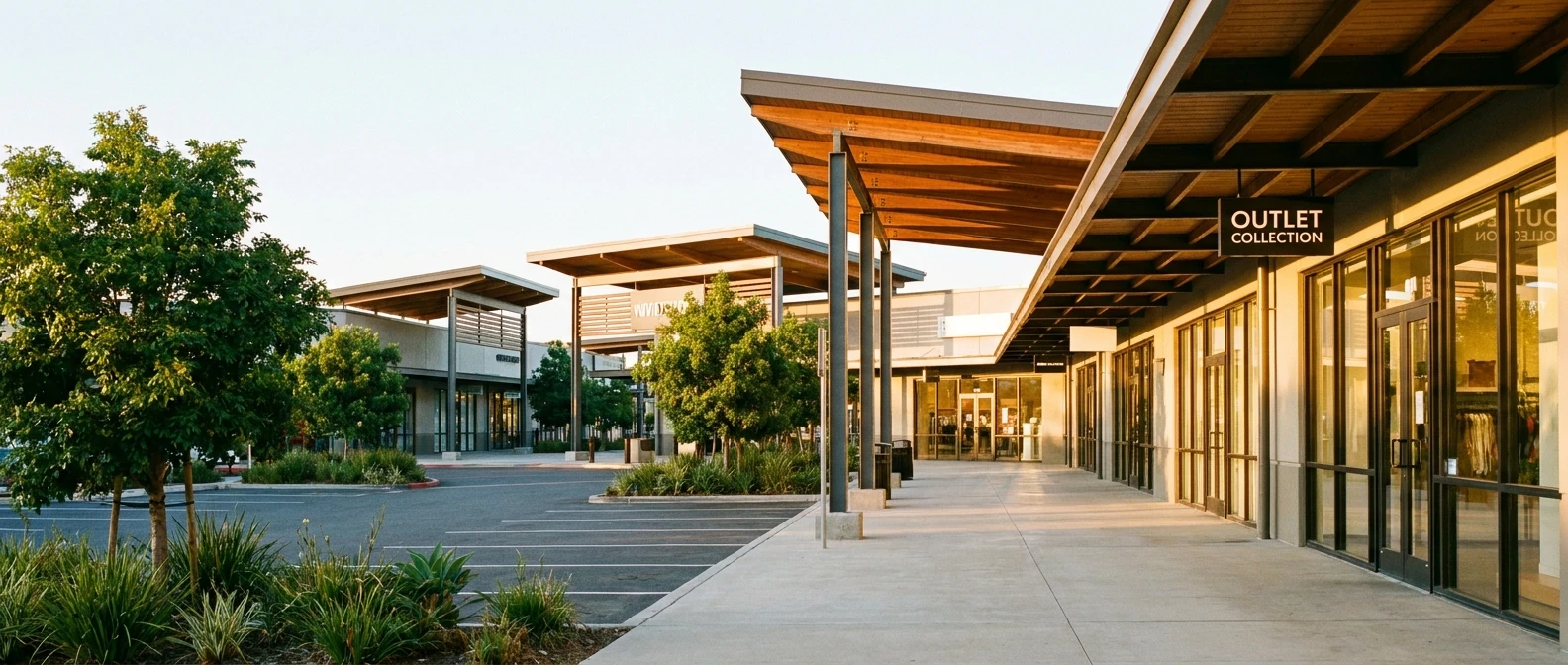
Mastering the Eastern Creek Outlet Like a Pro
Listen, finding genuine retail value requires a solid game plan when you head to the Eastern Creek Outlet and its massive lineup of stores. Located strategically in the rapidly expanding western corridor of Sydney, this shopping destination totally shifts the standard retail playbook by combining open-air accessibility with aggressive off-price merchandising. The core reality is straightforward: understanding the exact geographical footprint, the specific store mix, and the underlying retail logistics of this precinct allows you to extract maximum value from every single visit. You are not just walking into a standard mall; you are navigating a highly optimized distribution node designed to move clearance stock efficiently and rapidly. The area itself has undergone a massive structural shift, transitioning from heavy industrial and motorsport zoning to a mixed-use commercial haven that serves a continuously growing residential population. Shoppers from across the state utilize the intersecting major motorways to access premium international brands at a fraction of the standard cost. The core appeal lies in the straightforward, no-nonsense presentation of goods. The developers intentionally stripped away the high-overhead aesthetics of luxury downtown boutiques in favor of highly functional, high-volume retail spaces. This intentional structural choice directly impacts the discounted price tags you see on the racks. By examining the mechanics of this location, you gain a clear advantage over the casual weekend browser who arrives without a strategy.
Why Shop Here: Economic Value and Direct Savings
The primary advantage of frequenting the Eastern Creek Outlet stems directly from its direct-to-consumer clearance model. Major retailers use this specific location to liquidate previous season inventory, factory seconds, and excess overstock without cannibalizing the sales of their full-price flagship stores. The value proposition here is definitely twofold: you gain immediate access to premium labels at significant markdowns, and you often find rare, discontinued product lines that are absolutely no longer available in standard retail environments. For example, purchasing heavy winter outerwear in early spring or securing specialized athletic footwear from a prior product generation can easily yield savings of up to seventy percent off the original retail price.
Read also: Buying an Apple Gift Card Woolworths Offers Today; The Ultimate Guide to Booking Aldi Holidays and Finding Trav; Martha Kalifatidis: Brand Strategy & Digital Success.
| Store Category | Common Brand Examples | Average Discount Margin |
|---|---|---|
| Athletic Apparel | Global sportswear, running gear | 30% – 60% |
| Homewares & Goods | Kitchen appliances, bedding | 20% – 50% |
| Designer Fashion | Premium accessories, daily wear | 40% – 70% |
To systematically capture these deals, you need a disciplined approach rather than just wandering around.
- Target off-peak trading hours, specifically Tuesday or Wednesday mornings, to access freshly unboxed inventory before the massive weekend crowds arrive.
- Register for the digital loyalty programs of your specific target brands prior to your arrival, as many offer a stackable digital discount code exclusively for first-time outlet purchases.
- Execute a bulk-buying strategy for evergreen essentials like athletic socks, basic cotton t-shirts, and household consumables, as outlet stores frequently run ‘buy multiple, save more’ promotional tiers.
By treating the excursion as a targeted acquisition mission rather than a casual stroll, you completely bypass the common trap of impulse buying. The physical layout is deliberately engineered to pull you toward high-margin, low-quality impulse bins placed right near the checkout registers. Sticking to a predefined list based on the actual structural discounts available ensures you walk away with genuine value rather than perceived bargains.
Origins of the Retail Concept
The land currently housing the Eastern Creek Outlet originally served entirely different functions. For decades, the western Sydney corridor was designated almost exclusively for heavy industry, massive logistics warehousing, and high-speed motorsport facilities. The concept of placing a massive consumer-facing retail hub in this exact footprint was born from a sudden and intense demographic shift. As sprawling residential developments pushed further west, the population density required robust local infrastructure to match the demand. Urban planners recognized a massive gap in off-price retail servicing these newly established suburbs. The initial blueprints focused on combining the raw, industrial aesthetic of the existing environment with highly accessible, family-friendly shopping corridors that could handle immense vehicle traffic.
Evolution of the Western Sydney Hub
As construction progressed rapidly, the identity of the precinct evolved significantly. It shifted from a basic, uninspired strip mall design into a fully integrated lifestyle center. The developers studied the failures of early two-thousands outlet malls, which often suffered from poor weather protection and a severe lack of comfortable dining options. They countered this historical flaw by designing wide, fully sheltered walkways and incorporating a massive central dining precinct that anchors the entire site. The evolution also saw a highly strategic curation of commercial tenants. Rather than accepting just any retailer looking for cheap floor space, center management actively courted anchor tenants—major global sportswear and fashion brands—that guaranteed consistent, high-volume foot traffic. This magnetic pull naturally encouraged smaller, boutique outlets to secure adjacent leases, creating a diverse and thriving retail ecosystem.
Modern State of the Outlet
Today, the site operates as a highly sophisticated retail engine. The Eastern Creek Outlet is certainly not an afterthought for these international brands; it operates as a primary revenue driver. Retailers now design specific ‘made-for-outlet’ product lines to supplement their clearance stock, ensuring the shelves remain fully stocked regardless of the current retail season. The modern iteration features advanced digital parking guidance systems, eco-friendly solar-powered roofing arrays, and seamless physical integration with the surrounding arterial roads. It stands as a powerful testament to adaptive urban planning, proving that former industrial zones can successfully transition into high-yield commercial districts that brilliantly serve the immediate local community.
Architectural and Urban Planning Mechanics
The physical design of the Eastern Creek Outlet is a masterclass in consumer flow mechanics. Urban planners utilize a psychological concept known as the ‘racetrack layout’ or a heavily modified ‘dumbbell configuration’. This specific structural design essentially forces pedestrian traffic to circulate past the maximum number of storefronts while moving back and forth between the major anchor tenants located at opposite ends of the precinct. The architectural sightlines are mathematically calculated to ensure high-margin retailers remain highly visible from the central, seated rest areas. Additionally, the HVAC (Heating, Ventilation, and Air Conditioning) systems deployed across the facility use high-efficiency particulate air filtration and localized climate zones, minimizing energy waste in the massive, open-door retail spaces that traditionally leak air conditioning.
Retail Supply Chain Dynamics
Behind the consumer-facing storefronts lies a complex, rapid-turnaround supply chain that operates almost invisibly. The outlet functions on a ‘push’ inventory system, meaning centralized warehouse algorithms automatically divert unsold seasonal stock from metropolitan flagship stores directly to this specific location without human intervention. Here are the core technical facts driving this massive operation:
- Footfall Analytics: Advanced thermal cameras and smartphone Wi-Fi triangulation continuously track visitor pathways, allowing management to dynamically adjust rent premiums based on high-traffic ‘hot zones’.
- Inventory Turnover Rate: The average lifespan of a clearance item on the retail floor is just fourteen days before it is either marked down further or liquidated entirely to secondary jobbers.
- Catchment Area Metrics: GPS data indicates the facility draws regular consumers from a fifty-kilometer radius, representing a massive geographical expansion compared to a standard grocery-anchored mall.
- Omnichannel Integration: Store associates carry advanced mobile point-of-sale devices linked directly to national inventory databases, allowing them to locate specific sizes across the entire outlet network instantly.
Understanding these underlying mechanics completely explains why certain stores frequently reorganize their front floor plans. They are aggressively testing visual merchandising variables to clear physical stock at the absolute fastest possible velocity.
Step 1: Map the Target Stores
Executing a highly efficient visit requires a strict operational plan. Treat the experience like a tactical operation to avoid physical fatigue and unnecessary overspending. Check the official digital directory the night before you leave. Identify your top three priority brands and map their exact locations on your phone. Pinpoint exactly where they sit in relation to the main entrances to establish your initial walking route.
Step 2: Time the Arrival
Aim to arrive exactly fifteen minutes before the official opening time. This specific window guarantees premium parking placement near your first target store and ensures you are the absolute first to access the freshly restocked overnight shelves, particularly in the highly competitive footwear and sportswear sections where popular sizes vanish quickly.
Step 3: Secure Strategic Parking
Avoid the amateur move of parking directly in front of the main entrance. Instead, deliberately park near the designated exit routes or secondary external corridors. This calculated placement facilitates a much faster departure when the parking lot inevitably reaches maximum capacity during the mid-afternoon rush.
Step 4: Execute the First Lap
Move quickly to your high-priority stores without stopping at peripheral shops that catch your eye. Secure the high-value clearance items or limited-size apparel first. The initial lap around the center is strictly for acquisition; casual browsing comes later once the main targets are secured.
Step 5: Utilize Dining Breaks
Once the primary targets are safely secured, retreat immediately to the food precinct. Hydrating and eating away from the chaotic retail floor totally prevents decision fatigue, a documented psychological state that directly leads to poor purchasing choices and buyer’s remorse.
Step 6: Make Calculated Purchases
Commence the secondary lap specifically for browsing. Apply strict criteria to these subsequent purchases: heavily inspect garments for hidden stitching flaws (which are incredibly common in factory seconds) and actively verify the actual discount percentage against the original retail price using a quick search on your smartphone.
Step 7: Final Load-Out and Exit
Consolidate your shopping bags to free up your hands. If you purchased bulky household items early on, utilize the center’s locker services or make a quick, strategic trip to drop them in the trunk of your car. Always aim to depart the precinct completely before the 2:00 PM rush, which is when local parking congestion historically peaks to frustrating levels.
Myths and Reality of Outlet Shopping
Myth: The merchandise sold here consists entirely of heavily defective or rejected products that failed quality control.
Reality: While you will definitely find a small section of factory seconds, the vast majority of the inventory is absolutely pristine, overstocked goods from previous seasons or items specifically manufactured for the outlet market at slightly different material specifications.
Myth: All sales are totally final and you cannot return anything you buy here.
Reality: Standard consumer protection laws apply identically here just as they do in major city stores. Retailers provide clear return policies, often allowing full returns or exchanges within a 14-to-30-day window, provided you simply retain the original receipt with the tags attached.
Myth: Weekends are the absolute best days to visit because that is when they put out the new inventory.
Reality: Supply chain logistics absolutely dictate that most major stock deliveries arrive mid-week. Visiting on a Thursday morning gives you primary access to freshly unloaded stock long before the massive weekend crowds arrive to pick through the best sizes.
Is parking free at Eastern Creek Outlet?
Yes, the entire facility provides extensive, complimentary open-air and partially shaded parking for all patrons. However, be aware that it is subject to standard daily time limits to prevent local commuters from leaving their cars there all day.
What are the general trading hours?
Core trading hours typically run from 9:00 AM to 5:30 PM on most days. There is extended late-night trading available specifically on Thursdays to accommodate busy after-work shoppers looking for deals.
Are there electric vehicle charging stations?
Absolutely. Modern infrastructure upgrades include dedicated EV charging bays located prominently near the primary entrances, allowing drivers of electric vehicles to easily recharge their batteries while they shop.
Is the precinct pet-friendly?
While registered service animals are strictly permitted everywhere, general pet access is carefully limited to the outdoor walking corridors and specific exterior dining zones to maintain hygiene standards inside the actual stores.
Do the retailers accept standard gift cards?
Most individual brand outlets accept their own corporate gift cards without issue. Furthermore, the center management often sells precinct-wide cards that are fully valid at nearly all participating retail terminals across the site.
Are there sufficient dining options on-site?
The precinct features a massive dedicated food court alongside several standalone cafes and quick-service restaurants. These options easily cater to various dietary requirements, offering everything from fresh salads to heavy comfort food.
How do I access it via public transport?
If you prefer not to drive, local bus routes connect the precinct directly to the major train stations situated on the western line. This offers a highly reliable, stress-free alternative to battling motorway traffic.
Navigating this unique commercial space effectively requires serious discipline and preparation. By fully understanding the underlying logistics, timing your visit perfectly, and targeting specific clearances, you transform a standard shopping trip into a highly profitable acquisition run. Plan your exact route today, check the latest digital brand directory, and execute your strategy to guarantee maximum savings.