Why You Need to Read the best books 2025
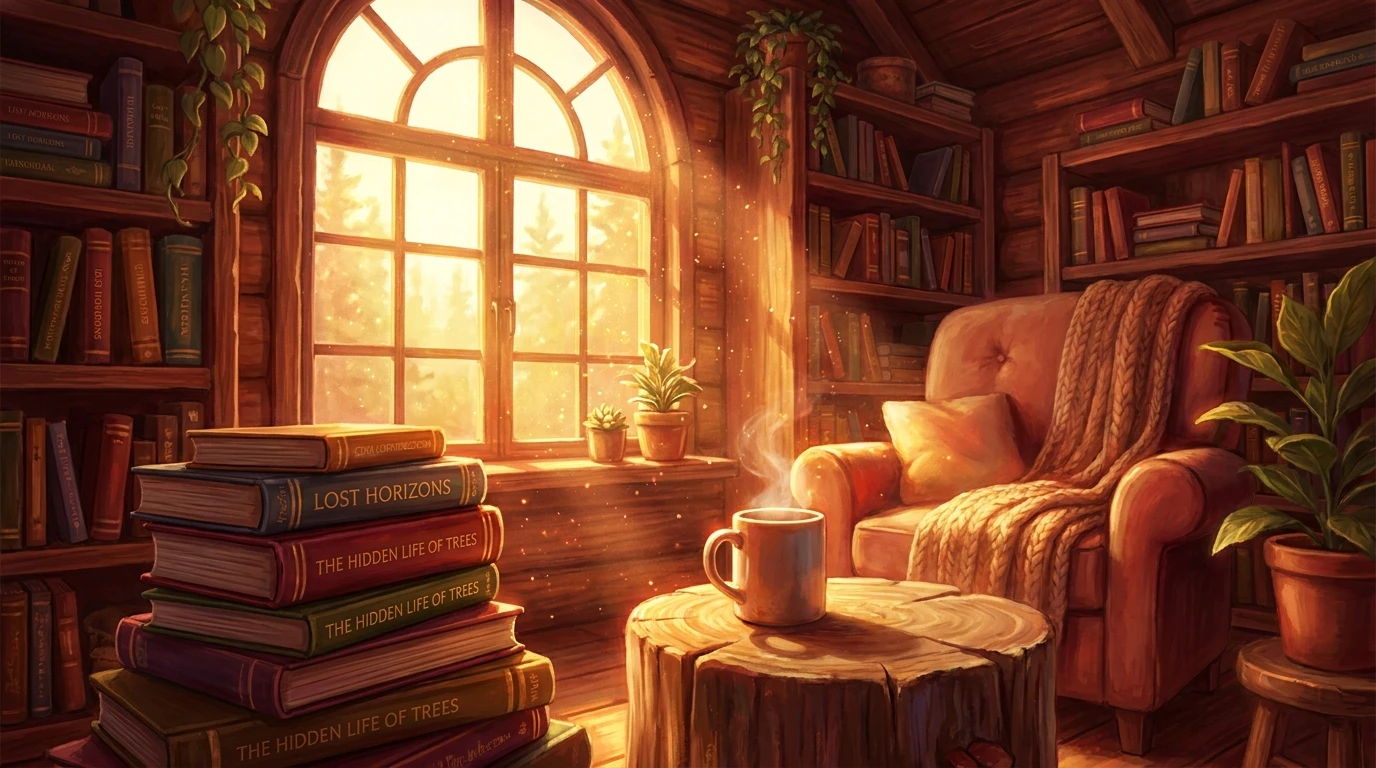
Finding the best books 2025 is like hunting for hidden treasure in a massive sea of paper and digital ink. Seriously, the sheer volume of incredible titles that dropped last year was mind-blowing, and sorting through the noise to find the actual gems can feel completely overwhelming. Sitting in a cozy, dimly lit coffee shop just a few blocks from Lviv’s historic Rynok Square last winter, I felt the absolute magic of getting completely lost in a brilliant story. The espresso machine hissed in the background, the freezing wind rattled the glass windowpanes, but my mind was a million miles away, completely absorbed in a freshly printed paperback. That highly specific, magical feeling of total immersion is exactly what I want to help you capture today. This guide breaks down the absolute top reads that dominated the literary scene, helping you filter out the aggressive marketing hype so you can find stories that actually stick with you long after you turn the final page. Now that we are solidly navigating through 2026, we finally have the perfect hindsight to see exactly which titles survived the fleeting hype cycle and truly delivered on their promises. Grab your favorite mug, get comfortable, and let me walk you through the absolute finest stories you need on your shelf right now.
The Core Impact of a Truly Great Read
Let me level with you: dedicating hours to a novel is a serious investment of your free time, and you want a massive return on that investment. The literary landscape last year brought an unprecedented mix of raw human emotion, cutting-edge speculative fiction, and deeply grounded historical narratives. When you pick up one of these top-tier recommendations, you aren’t just passing the time; you are actively rewiring your perspective. The stories that defined the previous year tackled themes of intense resilience, the strange integration of AI into our daily routines, and a weirdly beautiful futuristic nostalgia.
To give you a quick visual of what dominated the charts, check out this breakdown of the most popular genres and their corresponding vibes:
| Primary Genre | Dominant Theme | Standout Vibe |
|---|---|---|
| Speculative Sci-Fi | Artificial Intelligence Integration | Hopeful yet Cautious |
| Historical Fiction | 19th Century European Survival | Gritty and Atmospheric |
| Contemporary Memoir | Radical Personal Growth | Vulnerable and Raw |
| Psychological Thriller | Unreliable Narrators | Fast-paced and Tense |
So, why should you actively seek out these specific narratives? Here is the main value proposition: Example one: You get instant, high-quality escapism. On a stressful Tuesday after work, opening a masterfully crafted fantasy novel instantly transports you out of your daily grind. Example two: You rapidly build radical empathy. Reading a memoir from someone whose life experiences are vastly different from yours bridges massive cultural gaps effortlessly.
If you are feeling paralyzed by choice, here is a highly effective, foolproof method for picking your next great read:
- Match your current emotional bandwidth: Don’t force yourself to read a thousand-page historical epic if you are completely exhausted. Opt for a fast-paced, punchy thriller instead.
- Check the page count against your upcoming schedule: Be realistic about your free time. If you only have ten minutes before bed, grab an anthology of short stories rather than a dense philosophical text.
- Always read the first three pages before committing: Forget the back-cover blurb. The actual prose on the first few pages will instantly tell you if the author’s voice clicks with your brain.
- Ignore the bestseller stickers: Just because something sold a million copies on TikTok does not mean it fits your specific taste profile. Trust your gut.
History & Origins of the Recent Literary Boom
Origins of the 2025 Literary Boom
To really appreciate the massive wave of quality literature we recently experienced, we need to look back at the chaotic years preceding it. During the global lockdowns a few years ago, millions of people suddenly found themselves trapped at home with nothing but time, massive anxiety, and their laptops. A massive surge of creative writing began happening behind closed doors. Novelists, both amateur and veteran, began pouring their bizarre, complex, and beautiful feelings into messy first drafts. Fast forward a few years, after endless rounds of brutal editing, querying, and publishing delays, and all those pandemic-era manuscripts finally hit the printing presses simultaneously. It created a beautiful bottleneck of incredibly high-quality storytelling that completely flooded the market.
Evolution of Genre Blending
We completely stopped caring about rigid genre boundaries, and it was the best thing to ever happen to fiction. Ten years ago, if you went to a bookstore, a sci-fi book was purely sci-fi, and a romance was purely romance. But recently, authors started throwing the rulebook out the window. We started getting absolute masterpieces that blended elements of gothic horror with cozy romantic comedies, or hard-core cyberpunk space operas mixed with deep, philosophical coming-of-age narratives. Readers got smarter, their tastes got weirder in the best way possible, and publishers finally realized that cross-genre experimentation was highly profitable. This evolution allowed writers to take massive creative risks, resulting in stories that felt entirely fresh and wildly unpredictable.
The Modern State of Publishing
The entire infrastructure of how a story gets from a writer’s brain into your hands shifted dramatically. Traditional publishing houses, which historically acted as extreme gatekeepers, suddenly found themselves furiously competing with wildly successful independent authors. Self-publishing lost all of its old stigmas. Many of the absolute best stories that dropped recently were completely independently funded and marketed directly to readers through highly viral social media campaigns. Book communities online drove sales with such aggressive passion that traditional publishers had to adapt their entire business models. They started scouting digital platforms, looking for raw talent rather than waiting for formal submissions. This democratization of the publishing industry meant that niche, weird, and highly specific stories finally got the massive audiences they always deserved.
The Neuroscience of Deep Reading
How Fiction Actually Rewires Your Brain
Let me get slightly nerdy for a second because the actual science of what happens in your head when you read a fantastic novel is totally mind-blowing. When you are deeply engrossed in a story, your brain isn’t just passively receiving data like it does when you mindlessly scroll through short-form video content. It is actively simulating the exact experience of the protagonist. Neuroscientists have used fMRI machines to scan the brains of people while they read highly descriptive fiction. The results are incredible. If you read a sentence about a character sprinting aggressively through a dark pine forest, the motor cortex in your brain—the exact area responsible for physical movement—literally fires up as if you are the one running. You aren’t just observing the story; from a neurological standpoint, you are physically living it.
Building Cognitive Reserve and Empathy
Engaging with complex narratives forces your brain to build what scientists call cognitive reserve. Think of it as putting money into a neurological savings account that protects your brain as you age. When you read a beautifully constructed novel, you are strengthening the white matter in the language-processing areas of your brain. Additionally, fiction forces you to understand the internal motivations of complex characters, which directly exercises your brain’s empathy center.
- Drastic Stress Reduction: Studies show that just six uninterrupted minutes of reading can reduce your heart rate and ease muscle tension by up to 68 percent, making it more relaxing than listening to music or drinking a hot cup of tea.
- Enhanced Theory of Mind: Regularly reading literary fiction drastically improves your ability to comprehend that other people hold beliefs and desires completely different from your own.
- Neuroplasticity Boost: Decoding complex vocabulary and following intricate, non-linear plot structures forces your brain to literally forge brand-new neural pathways.
- Default Mode Network Activation: Deep reading stimulates the brain’s default mode network, which is the exact same network that activates when you are meditating or engaging in deep, introspective thought.
Actionable 7-Day Reading Reset Plan
Day 1: Curate Your Stack Brutally
Your first step is completely clearing the clutter. Walk over to your bookshelf or open your e-reader and ruthlessly eliminate the books you feel obligated to read but actually dread. Pull together a stack of three to five books that genuinely spark immediate excitement. Mix up the genres. Grab one thriller, one non-fiction, and one massive fantasy epic. The goal today is simply building an environment of anticipation.
Day 2: Enforce the 50-Page Rule
Pick the book from your stack that calls to you the most and commit to reading exactly fifty pages. No more, no less. Here is the trick: if you hit page fifty and you are completely bored, you drop the book immediately. Life is entirely too short to read bad books. By giving yourself permission to quit, you remove all the weird guilt associated with reading.
Day 3: The Morning Fiction Ritual
Before you even think about touching your smartphone to check your messages, grab your current book and read for just fifteen minutes with your morning coffee or tea. Doing this sets a remarkably calm, focused baseline for your entire day. You are feeding your brain creative, engaging content instead of chaotic news headlines.
Day 4: Non-Fiction Afternoon Break
Switch gears entirely. Find a non-fiction book—maybe a fascinating biography or a book on micro-history—and read a single chapter during your lunch break. Non-fiction activates a completely different part of your brain, satisfying your natural curiosity and giving you a highly specific piece of knowledge you can casually bring up in conversation later.
Day 5: Audiobooks and Household Chores
Let’s completely hack your productivity. Put on a highly rated audiobook while you do something completely mindless, like folding a massive pile of laundry, washing the dishes, or commuting. A fantastic narrator can completely elevate a mediocre text into a gripping performance, turning your most boring chores into the highlight of your afternoon.
Day 6: Deep Focus Evening Reading
Tonight, you are going completely off the grid. Turn off your Wi-Fi router, put your phone in another room, dim the overhead lights, and turn on a single reading lamp. Give yourself one full hour of totally uninterrupted deep reading. You will be absolutely shocked by how many pages you can tear through when you aren’t constantly checking your notifications every three minutes.
Day 7: Review, Reflect, and Recommend
Take ten minutes to journal about what you just read. What did you love? What annoyed you? Then, text a friend and recommend a specific book to them. Reading is inherently a solitary act, but talking about a genuinely amazing story with someone you care about turns it into a highly rewarding communal experience.
Myths & Reality of the Reading World
Myth: Print books are completely dying out because of digital media.
Reality: Not even close. Print sales have actually remained incredibly robust, and independent bookstores are seeing a massive resurgence as people desperately crave physical, tactile experiences away from glowing screens.
Myth: You must finish every single book you start, or you are a failure.
Reality: Aggressive DNFing (Did Not Finish) is the ultimate form of literary self-care. If a book sucks, throw it in the donation bin and move on immediately.
Myth: Listening to audiobooks does not actually count as reading.
Reality: Neurologically speaking, your brain processes the narrative information almost exactly the same way whether you absorb the words through your eyes or your ears. It totally counts.
Myth: Fiction is just a silly waste of time for adults.
Reality: Fiction is a highly complex empathy-building simulator. It makes you a significantly more interesting, emotionally intelligent human being.
Frequently Asked Questions & Conclusion
What was the absolute standout genre of last year?
Cozy sci-fi and deeply atmospheric historical thrillers absolutely dominated the charts, proving that readers wanted escapism mixed with high stakes.
Are physical hardcovers better than e-readers?
It completely depends on your lifestyle. Physical books offer a superior tactile experience, but e-readers are unbeatable if you travel frequently or read massive fantasy epics in bed.
How many books should a normal person read in a month?
There is no magic number. Whether you read one deeply profound book a month or tear through ten fast-paced thrillers, the only metric that matters is your personal enjoyment.
Where is the best place to find trustworthy book reviews?
Avoid massive aggregate rating sites, as they are often skewed by hype. Instead, find three or four independent book bloggers or specific social media creators who share your exact weird taste.
How do I break out of a massive reading slump?
Reread an old favorite. Alternatively, pick up a wildly fast-paced graphic novel or a highly gripping thriller with extremely short chapters to quickly rebuild your reading momentum.
Why do some wildly popular books feel terribly written?
Popularity often hinges on aggressive marketing budgets and easily digestible tropes rather than highly polished prose. Sometimes, junk food reading is exactly what the masses crave, and that is totally fine.
Do I need to read classic literature to be considered a real reader?
Absolutely not. Read what you genuinely love. If that means binging alien romance novels or highly technical manuals on woodworking, you are a real reader.
Wrapping this all up, the sheer volume of phenomenal stories available to us right now is staggering. The literary world delivered masterpieces that can genuinely alter your perspective, provide comfort in chaotic times, or just offer a brutally fun rollercoaster ride for a few hours. The hardest part is simply picking which world to jump into first. So, pick a title from the recommendations, grab a warm drink, silence your phone, and start flipping those pages. Your next massive obsession is waiting for you.