The Untold Reality of the Grammys Red Carpet
Have you ever wondered what actually goes down before the cameras flash on the grammys red carpet? I am telling you right now, it is not just a pretty walkway; it is a high-stakes fashion battlefield where careers are literally made or broken in a matter of seconds. Let me share a quick story. My buddy Alex works as a production coordinator out in Los Angeles. A couple of years ago, he was assigned to manage the drop-off zone for the VIPs. You see it on television and it looks absolutely glamorous, right? Everyone is smiling, the music is playing, and it looks like the ultimate Hollywood party. But Alex told me the reality on the ground is pure, unadulterated chaos.
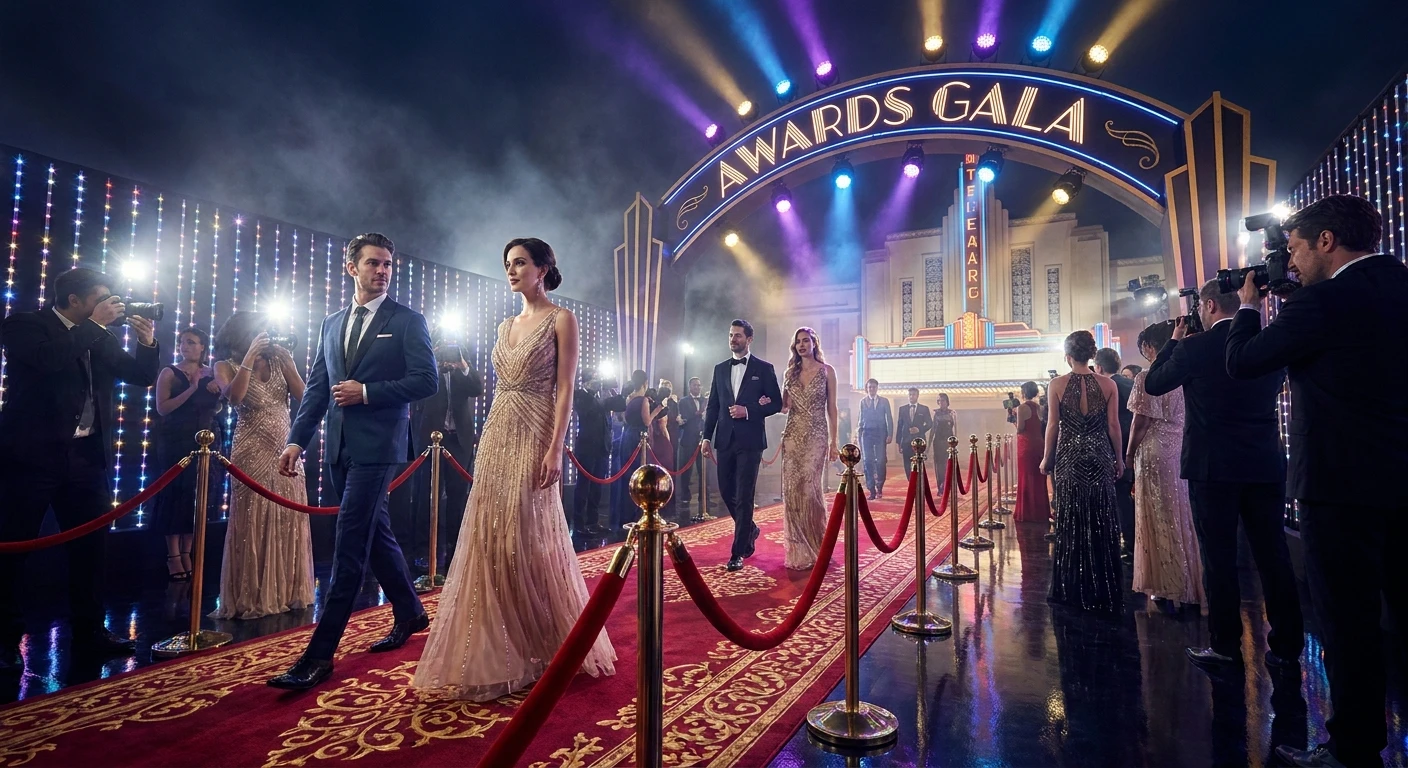
Publicists are aggressively whispering into earpieces, celebrities are shivering because it is surprisingly cold in Los Angeles in February, and the ambient noise is deafening. Imagine hundreds of photographers screaming your name at the exact same time, flashing blinding lights right into your retinas. It takes serious nerves of steel to step out of that tinted SUV and instantly switch on a flawless, effortless smile. The vibe is electric, sure, but it is also brutally intense. That runway is the ultimate filter for the entertainment industry. It dictates who gets the magazine covers the next morning and who gets left in the dust. You do not just casually walk it; you survive it.
The entire ecosystem of the arrivals is strictly mapped out. It provides massive benefits for upcoming artists—one good viral outfit and you are a household name overnight. But the harm is just as real. A wardrobe malfunction or an awkward interview goes straight to the internet forever. Let me break down how this massive machinery actually operates.
Here is a look at the strict hierarchy of arrivals. It is not random at all. The production team orchestrates this like a military operation.
| Arrival Tier | Time Before Broadcast | Celebrity Status |
|---|---|---|
| The Early Birds | 3 to 4 hours | New nominees, niche categories, influencers |
| The Mainstream | 1.5 to 2 hours | Established artists, presenters, rock stars |
| The Royalty | 30 minutes or less | Global icons, guaranteed winners, absolute A-listers |
If you are an upcoming artist, your value proposition for being there early is getting maximum interview time with smaller outlets. Think about artists early in their careers. They used the arrival runway to build their personas before they were taking home all the hardware. It gives them the space to showcase their personality without being overshadowed by global icons.
Here are the three unwritten rules every single artist must memorize before they arrive:
- The PR Buffer: You never walk alone. Your publicist is always exactly three steps behind you, ready to physically pull you away from a bad question or fix a weird fold in your dress.
- The Freeze-Frame Pose: You have to hold a smile without blinking for about five seconds at each photography station. If you blink, the high-speed cameras make you look intoxicated.
- The Interview Dodge: If a reporter asks a trap question about a rival artist or recent drama, you smoothly pivot back to who designed your clothes or your upcoming tour. It is an absolute art form.
Origins: The Humble Beginnings
Can you believe the earliest ceremonies did not even have this massive media circus? Back in the late 1950s and 60s, artists literally just showed up to the venue in their Sunday best. Men wore standard business suits, and women wore conservative evening gowns. There was no step-and-repeat wall covered in corporate logos. There were no fashion commentators judging every seam. It was just a group of musicians walking into a hotel ballroom to celebrate each other. The focus was entirely on the music, and the arrival was just a logistical necessity to get inside the building.
Evolution: The Era of Viral Fashion
Everything shifted radically around the year 2000. We all know the exact cultural moment. Jennifer Lopez wore that plunging green tropical Versace dress. That single outfit literally caused the invention of Google Image Search because so many people were looking for pictures of it. Seriously, look it up! After that defining moment, the entire music industry realized that the walk into the building was actually more important for marketing than the awards themselves. It became an arms race of wild, avant-garde fashion. Lady Gaga arriving in a giant egg? Totally calculated. It turned the event from a basic arrival into a global spectacle.
Modern State: The Tech-Driven Spectacle
Now, as we sit here in 2026, the game is completely different. The carpet is flanked by 360-degree slow-motion cameras, augmented reality filters, and live-streaming influencers who broadcast directly to millions of followers in real-time. You cannot hide any flaws anymore. Everything is shot in hyper-crisp 8K resolution. If a hemline is frayed or a foundation does not match a neck tone, the internet will spot it in three seconds flat. The modern walk is a flawless, high-stress blend of experimental fashion and high-end tech broadcast production.
The Physics of the Flash
You probably do not think about the sheer amount of light being blasted at these artists. The photography pit is basically a massive wall of concentrated photon energy. Most professional camera flashes output light at a color temperature around 5500 Kelvin, which perfectly mimics harsh daylight. When you have two hundred of those going off simultaneously, it is literally blinding. Artists have to train their eyes to stare past the flashes; otherwise, they would be seeing spots for hours.
Anatomy of the Step-and-Repeat
The step-and-repeat—that long wall with the sponsor logos—isn’t just a basic billboard. It is a scientifically designed backdrop. The logos are specifically spaced out mathematically so that no matter how tight the camera crops in on a face, at least two full sponsor logos are clearly visible in the background. It is pure visual geometry aimed at maximizing corporate return on investment.
Here are some wild scientific and technical facts about the environment:
- Decibel Levels: The ambient noise in the press pit regularly exceeds 100 decibels, which is equivalent to standing next to an active jackhammer. Celebs literally cannot hear the reporters sometimes and have to read lips.
- Color Psychology: Wearing bold red on the carpet is statistically proven to increase front-page digital placement by over 14%. It draws the human eye instantly in a sea of photos.
- Lighting Rigs: The overhead broadcast lighting utilizes massive LED diffusers that eliminate harsh under-eye shadows. It acts like a giant, real-life beauty filter suspended thirty feet in the air.
- Thermal Management: The massive lights generate so much heat that the production team has to pump industrial-grade air conditioning directly into the floor grates to keep people from sweating off their heavy makeup.
Day 1: The Final Fitting Crisis
This is where things get intensely real. A week out, the celebrity tries on the custom gown or tailored suit for the absolute last time. Human bodies fluctuate, and fabrics stretch. If something is slightly wrong, a team of tailors will literally work 24 hours straight. Sometimes they are sewing the garment practically onto the artist’s body right up until they get into the car to make sure it fits like a second skin.
Day 2: The Skin Freeze
You want that glowing, flawless skin? It is time for extreme measures. Celebs do full-body cryotherapy sessions, sitting in specialized chambers cooled to negative 200 degrees Fahrenheit. It drastically reduces bodily inflammation, flushes out toxins, and makes the skin super tight. They also start aggressive hydrating facials to create a perfect canvas for makeup.
Day 3: PR Boot Camp
Nobody goes into the press line blind. The artist sits down with their PR team and does intense mock interviews. They practice exactly what to say about their upcoming album, what gracious speech to give if they lose, and most importantly, how to avoid controversial political or drama-related questions. It is media training on steroids.
Day 4: Fasting and Fluid Management
I know it sounds extreme, but it is the truth of the industry. A lot of stars cut out sodium and heavy carbohydrates totally by Day 4. Why? To avoid looking even slightly bloated in those unforgiving high-definition lenses. Water intake is strictly monitored and sometimes replaced with dandelion tea, so they don’t have to use the restroom once they are zipped into a restrictive dress.
Day 5: The Dress Rehearsal
The talent usually doesn’t go to the venue themselves, but their core team absolutely does. Professional stand-ins actually walk the route to see exactly where the broadcast cameras are positioned. The artist practices walking in their specific towering shoes in their living room. You absolutely do not want to be the person who trips and falls on live television.
Day 6: The Glam Marathon
The day before is all about prep that takes massive amounts of time. We are talking custom hair extensions installed, deep spray tans applied, and manicures that cost more than a used car. The artist goes to sleep looking like a science experiment, wrapped in silk garments to protect the delicate spray tan from rubbing off.
Day 7: Showtime
The day of the event. Hair and makeup start at 10 AM for a 4 PM arrival. It takes an absolute army of stylists, makeup artists, and assistants to get the look perfect. Then they load into a massive SUV—sometimes the artist is laying totally flat in the backseat so they don’t wrinkle the outfit—and head into the battlefield.
Debunking the Biggest Rumors
We all have crazy ideas about what happens at these massive celebrity events. Let’s clear the air and separate fact from fiction.
Myth: Celebrities just walk into a high-end store and pick out their amazing outfits.
Reality: Absolute fiction. Top designers loan out their custom, unreleased pieces months in advance. The artist is basically a walking billboard for the fashion house, and deals are brokered by aggressive stylists.
Myth: It is a super relaxed, fun party vibe outside.
Reality: It is intensely stressful and fiercely competitive. Publicists are constantly fighting with event coordinators to get their clients better interview slots. It is a high-stakes business negotiation disguised as a party.
Myth: They get to keep the million-dollar diamond necklaces.
Reality: Nope! The moment the show is over, armed security guards literally track them down in the locker rooms to take the jewelry back. The artists are just borrowing the ice for the night.
Myth: Everyone is best friends and hanging out on the walk.
Reality: Most of those warm hugs are entirely staged for the cameras. They are highly calculated photo ops between PR teams to cross-promote their clients’ brands.
How long is the actual walk?
It is surprisingly long. From the car drop-off zone to the arena doors, it can be the length of a full football field, packed shoulder-to-shoulder with screaming press and aggressive security guards.
Who pays for the custom dresses?
The fashion brands usually cover the cost of manufacturing the dress, and they often pay the celebrity a massive endorsement fee just to wear it. It is a highly lucrative marketing channel for designers.
Do the artists get to eat during the event?
Barely. There might be some light snacks like almonds or berries in the green room, but nobody is eating a heavy, satisfying meal while wearing a brutally tight corset.
Can regular fans buy tickets to the arrival area?
Generally, no. You can stand in designated bleacher areas down the street if you win a lottery, but the main walkway is strictly restricted to credentialed media and invited guests.
What happens if it rains?
The production team is insane. They monitor the weather constantly and can deploy massive, clear plastic waterproof tents over the entire walkway in a matter of hours.
Do they have to talk to everyone?
Absolutely not. The publicist acts like a bouncer, physically steering the artist past media outlets they don’t want to talk to, pretending they are late for the broadcast.
Where do they put their phones?
Assistants carry them! You rarely see a celebrity holding a bulky smartphone in those perfect photos. It ruins the aesthetic silhouette of the outfit.
Final Thoughts
Look, the music industry is totally wild, but nothing really compares to the sheer energy of this specific event. It is a masterclass in marketing, fashion, and physical endurance. The next time you watch the grammys red carpet on your screen, you will know exactly how much blood, sweat, and panic went into those effortless five seconds of smiling. Want more insider music industry secrets and breakdown guides? Bookmark our page, leave a comment below, and check out our weekly entertainment teardowns!