
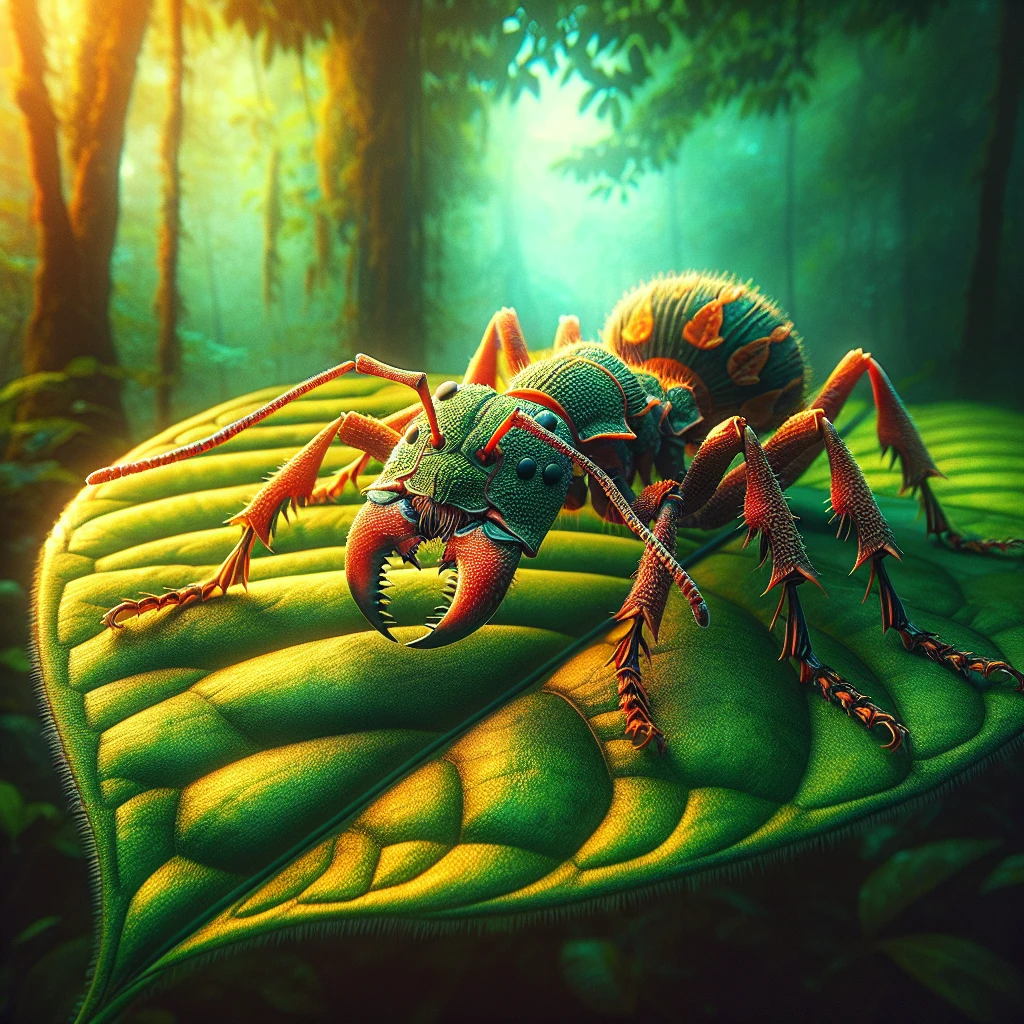
Surviving a Bull Ant Bite: What You Need to Know Instantly
Ever felt a sudden, fiery pain shooting up your leg while hiking and wondered if a bull ant bite is supposed to hurt this much? Getting struck by one of these massive insects is definitely not your average afternoon annoyance. My friend Max, a software developer who recently relocated from Kyiv to Sydney, learned this the hard way. Last weekend, he went bushwalking near the famous Blue Mountains. He thought Australian wildlife dangers were mostly just internet exaggerations until he stopped to rest near a large dirt mound. Within seconds, a gigantic insect clamped onto his hiking boot, marched right up his wool sock, and delivered a blinding sting to his calf. He texted me later, completely baffled and in agony, comparing the sensation to touching a live electrical wire.
We need to thoroughly understand exactly what happens when these prehistoric giants strike. You cannot just brush them off like typical garden pests. Their aggressive nature, incredible eyesight, and potent venom demand immense respect and proper preparation from anyone spending time outdoors. If you spend any time hiking, gardening, or exploring in regions where these insects thrive, knowing the exact protocol for handling a sting could literally save you a trip to the emergency room. By following the precise steps laid out here, you will be fully equipped to handle an encounter with these fascinating yet terrifying creatures without panicking.
The mechanics of a bull ant bite are fascinating and brutal. Unlike a honey bee that stings you once and dies, this insect operates with ruthless efficiency. First, it uses its massive, serrated mandibles to lock onto your skin. This initial clamp is often mistaken for the actual bite. However, the true danger comes from the rear. Once anchored, the ant curls its abdomen under its body and drives a smooth stinger into your flesh, injecting venom. Because the stinger is completely barbless, the insect can repeatedly stab you, pumping more venom with every single strike until you manage to forcefully detach it.
Knowing the proper immediate response provides incredible value. For instance, rapidly applying ice not only numbs the intense pain but also constricts local blood vessels, slowing the spread of the venom. Another huge benefit of knowing the protocol is preventing secondary infections; by immediately cleaning the puncture site, you drastically reduce the chance of bacteria entering the open wound.
Here is a quick comparison of common outdoor insect encounters to give you perspective:
| Insect Attacker | Pain Sensation Level | Venom Delivery Method | Average Pain Duration |
|---|---|---|---|
| Bull Ant | Extreme burning, sharp | Mandible grip + multiple stings | Up to 48 hours |
| Honey Bee | Sharp pinch, dull ache | Single barbed sting (dies after) | Few hours |
| Standard Mosquito | Mild itch, barely felt | Saliva injected via proboscis | A few days of itching |
Recognizing the immediate symptoms is crucial for your safety. You need to watch out for these primary indicators right after an encounter:
- Instant, localized burning pain that pulses rapidly from the puncture site.
- Significant redness and a raised welt or swelling forming around the specific area.
- Potential systemic reactions like hives, dizziness, or shortness of breath if you have an allergy.
Origins of the Prehistoric Lineage
To truly respect the power of a bull ant bite, you have to look at the deep history of these creatures. Belonging to the genus Myrmecia, these insects are essentially living fossils. Millions of years ago, their ancestors roamed across the globe. Paleontologists have found perfectly preserved specimens in amber deposits across Europe and North America dating back to the Eocene epoch, around fifty million years ago. While they were once a dominant global species, massive climatic shifts over geological time restricted their survival. Today, they are almost exclusively confined to the isolated landmass of Australia, with a single rare species surviving in New Caledonia. This geographical isolation forced them to adapt into aggressive, highly visual hunters capable of defending their colonies against much larger mammalian predators.
Evolution of the Hunting Mechanisms
Over millennia, their bodies evolved for supreme lethality against predators and prey alike. Their large eyes give them incredible binocular vision, allowing them to track movement from over three feet away. This is highly unusual for ants, which typically rely entirely on chemical trails and pheromones to navigate the world. The evolution of their weapon system is equally impressive. The stinger is an evolutionarily modified ovipositor (an egg-laying organ). Instead of laying eggs safely in the soil, it morphed into a specialized hypodermic needle designed to inject complex toxins into threats.
The Modern State in 2026
As of 2026, entomologists have noticed that these ants are adapting surprisingly well to changing climates and urban encroachment. Warmer global temperatures seem to be subtly shifting their territorial boundaries, bringing them closer to suburban gardens and popular hiking trails. Environmental tracking data from 2026 shows a slight increase in human-insect interactions, primarily because extreme weather events push these ground-dwelling colonies to relocate their nests to higher, drier ground. This makes understanding their behavior more relevant than ever for outdoor enthusiasts who might accidentally wander into a newly established territory.
The Biological Mechanics of the Strike
When we look closely at a bull ant bite, the scientific mechanics of the strike are terrifyingly efficient. The insect possesses incredibly strong adductor muscles in its jaw. When it bites, it doesn’t just pinch; it locks its mandibles into the epidermis like a surgical vice. This grip acts as a physical fulcrum. The ant then leverages its entire body weight, arching its highly flexible abdomen to thrust the stinger deep into the dermal layers. Because the stinger is completely smooth, lacking the jagged barbs found on worker bees, the ant can easily withdraw the needle and restrike multiple times per second. This rapid-fire stinging maximizes the sheer volume of venom delivered directly into the target tissue, overwhelming local pain receptors instantly.
The Chemical Cocktail of Venom
The real agony comes from the complex biochemical makeup of the venom itself. Unlike the basic formic acid found in typical garden ants, this venom is a highly sophisticated, evolutionary cocktail of proteins, peptides, and potent histamines designed to trigger maximum pain receptors in mammalian nervous systems. Understanding the science behind the pain helps explain exactly why the physiological reaction is so severe.
- The venom contains massive concentrations of histamine, which immediately causes rapid vasodilation. This means your blood vessels expand instantly, leading to the rapid swelling and intense redness characteristic of the sting.
- It includes a specific spreading enzyme called hyaluronidase. This acts as a catalyst by essentially melting the connective tissue in your skin locally, allowing the pain-inducing toxins to travel faster and deeper into your body.
- Proteinaceous allergens present in the fluid are the primary culprits for triggering severe immune responses, which is why a small percentage of the population experiences life-threatening anaphylaxis.
- The venom also contains unique kinins, which directly bind to human nerve endings, sending relentless, high-frequency pain signals directly to your brain, ensuring the predator knows to back off immediately.
Step 1: Retreat Instantly to a Safe Distance
The moment you feel the searing pain of a bull ant bite, your very first action must be to move away from the area. These insects are highly aggressive defenders of their territory. If you accidentally stepped on or near their nest, there are likely dozens more swarming up from the ground right at that moment. Back away rapidly for at least twenty feet to ensure you are safely out of their immediate defense perimeter before you even try to assess the damage.
Step 2: Forcefully Brush Off the Attacker
Because they lock on with their powerful jaws, casually shaking your leg or arm will not dislodge them. You must physically intervene. Use a stick, a leaf, or the back of your hand to forcefully swipe the insect off your skin. Do this as fast as humanly possible to prevent the ant from delivering multiple consecutive stings with its abdomen. Time is critical here.
Step 3: Vigorously Wash the Puncture Area
Once you are safe and the insect is removed, immediately clean the wound. Use massive amounts of clean water and mild soap if available. By washing the area, you remove any residual venom left on the surface of your skin and drastically reduce the risk of secondary bacterial infections from the dirt that the ant may have been carrying on its mandibles from the forest floor.
Step 4: Apply a Cold Compress Immediately
Temperature control is your best friend right now. Grab an ice pack, wrap it in a thin cloth, and apply it directly to the sting site. The extreme cold will serve two critical purposes. First, it will instantly numb the traumatized nerve endings, dulling the severe, throbbing pain. Second, the cold causes vasoconstriction, which tightens your blood vessels and significantly slows the spread of the histamines and toxins through your bloodstream.
Step 5: Administer Topical and Oral Relief
To combat the lingering localized effects, you need pharmaceutical backup. Apply a soothing hydrocortisone cream or a specialized insect bite ointment directly to the red, swollen welt. Simultaneously, taking an oral over-the-counter antihistamine tablet will help suppress your body’s immune overreaction, calming down the internal histamine release that causes the persistent itching and swelling over the following days.
Step 6: Monitor Closely for Systemic Allergies
For the next hour, you must pay strict attention to how your entire body feels, not just the localized bite area. Watch out for any early signs of anaphylactic shock. If you start experiencing a tight, scratchy throat, swelling of the tongue, sudden extreme dizziness, or a widespread rash of hives across your chest or back, you are having a severe, systemic allergic reaction.
Step 7: Seek Emergency Medical Help if Needed
If any of the severe systemic symptoms appear, do not wait to see if they get better on their own. You must immediately call emergency medical services or utilize an epinephrine auto-injector (EpiPen) if you have one on hand. Anaphylaxis progresses incredibly quickly and requires professional medical intervention with adrenaline and heavy steroids to stabilize your airway and heart rate.
Myth: A bull ant bites you and injects venom directly through its massive jaws.
Reality: While their giant, serrated jaws look absolutely terrifying, they only use them to grip your skin securely. The actual venom is injected through a smooth stinger located at the very end of their abdomen, much like a typical wasp.
Myth: Pouring boiling water or urinating on the sting site neutralizes the acidic venom instantly.
Reality: This is an old wives’ tale that will likely cause you much more harm than good. The venom is primarily composed of complex proteins and histamines, not simple acids. Urinating on an open wound drastically increases your risk of severe bacterial infection, and boiling water will just cause horrific thermal burns on top of the already painful sting.
Myth: Every single bull ant bite will inevitably cause a fatal allergic reaction.
Reality: While the sting is undeniably incredibly painful for everyone, true, life-threatening anaphylaxis only occurs in about three percent of the general population. For the vast majority of people, the reaction is strictly limited to intense local pain, redness, and swelling that naturally subsides after a few days.
Can a bull ant bite kill a healthy human?
For a generally healthy person without specific insect venom allergies, the sting is exceptionally painful but entirely non-lethal. The genuine danger of fatality only exists for individuals who suffer from severe anaphylactic shock and fail to receive prompt medical treatment.
How long does the intense pain typically last?
The sharp, immediate burning agony usually peaks within the first twenty to thirty minutes. However, a dull, throbbing ache, often accompanied by severe itching and localized swelling, can persist for 48 hours or more depending on your immune response.
Do these insects actually jump at you?
Yes, they absolutely do. Certain species within the genus, specifically known colloquially as jack jumper ants, are famous for their remarkable ability to leap several inches into the air to rapidly latch onto perceived threats.
What is the absolute best cream for the sting?
A strong topical steroid cream containing hydrocortisone is highly effective at reducing inflammation. Alternatively, medicated creams infused with lidocaine can temporarily numb the surface nerves, offering excellent short-term pain relief.
Are they found naturally outside of Australia?
With the rare exception of a single, highly isolated species located in New Caledonia, these prehistoric insects are entirely native to and naturally confined within the borders of the Australian continent.
Does applying an ice pack really help that much?
Ice is remarkably effective and should be your first step. It physically slows down your blood flow in the local area, which traps the injected venom near the surface and prevents it from spreading further into your systemic circulation.
Should I try to aggressively squeeze the venom out of the puncture?
Absolutely not. Squeezing or harshly pinching the swollen skin will only serve to force the liquid venom deeper into the surrounding healthy tissues and drastically increase your risk of causing a massive secondary infection.
Are there any lingering long-term effects from the venom?
For the vast majority of individuals, there are absolutely zero long-term physiological health consequences once the initial swelling completely heals and the puncture wound closes up.
Encountering one of these formidable insects in the wild is a jarring experience you will not soon forget. Their sheer size, fiercely aggressive temperament, and agonizing venom make them a genuine force of nature that demands high respect. However, by understanding exactly how their biology operates and diligently memorizing these precise first aid protocols, you strip away the panic associated with the event. You are now fully prepared to handle the situation calmly, safely, and efficiently. If you found this breakdown incredibly helpful for your outdoor survival preparations, be sure to pass it along to your hiking buddies and always stay vigilant out there on the wild trails!