
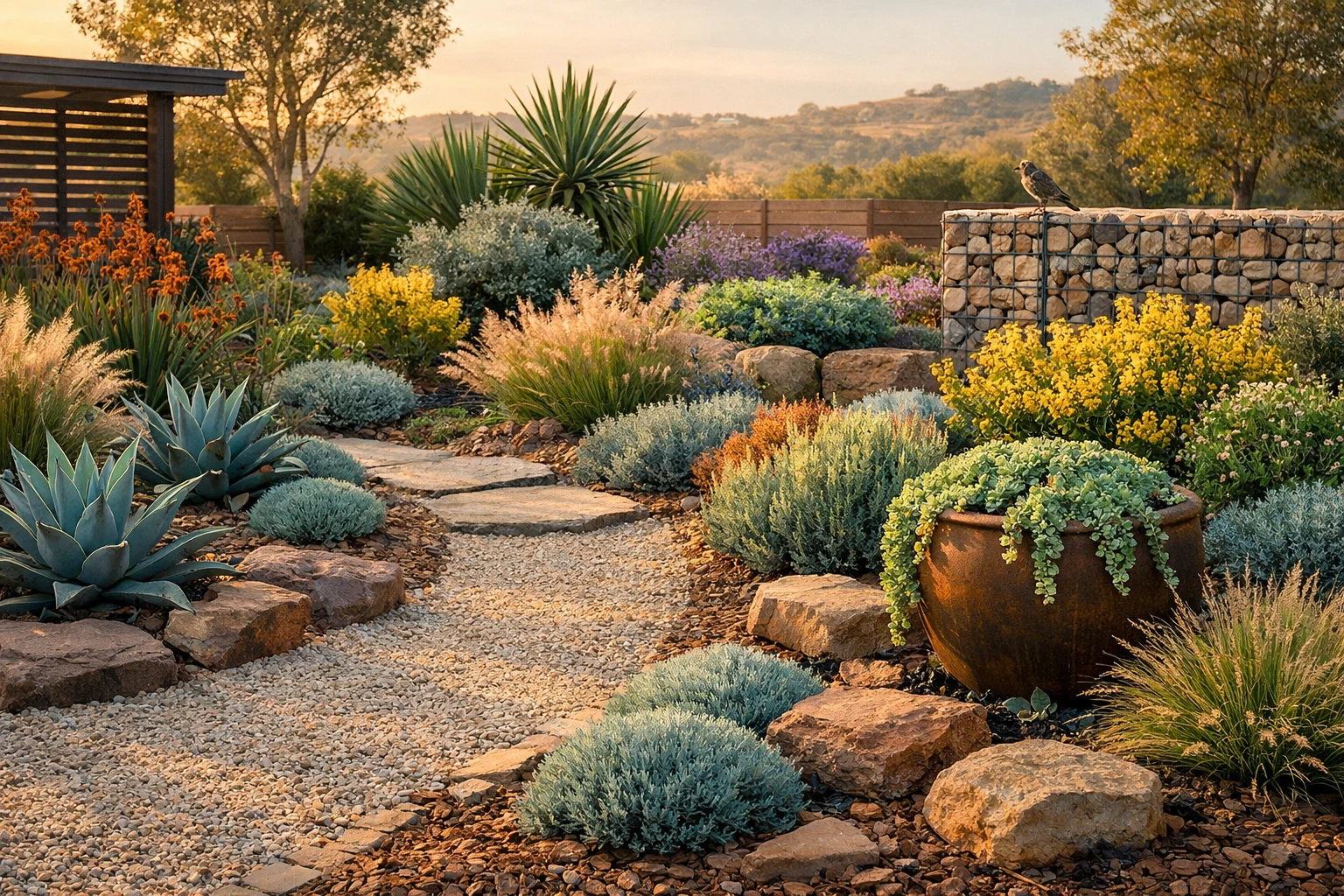
Low-Maintenance Gardening: Why We Are All Obsessed With It
Let’s be honest for a second. We all love the idea of a lush, green backyard where we can kick back with a cold drink on a Sunday afternoon. But the reality? Most of us don’t want to spend our entire weekend weeding, pruning, or battling the scorching sun just to keep a few plants alive. Life is busy. Between work, family, and trying to squeeze in a coastal walk, the garden often ends up at the bottom of the to-do list.
That is exactly why low-maintenance landscaping has become such a massive trend across Australia. We are moving away from finicky English roses and high-water lawns toward plants that actually want to live here. I’m talking about “set and forget” greenery. Two of the absolute champions in this space are Bergenia and evergreen vines. They are tough, they look great year-round, and they won’t throw a tantrum if you forget to water them for a week.
But how do you actually pull it off without your yard looking like a concrete jungle or a messy scrub? It’s all about balance. You need structure, a bit of texture, and plants that do the heavy lifting for you.
The Magic of Bergenia in Aussie Backyards
You might know Bergenia by its more common (and slightly hilarious) name: Pig Squeak. If you rub the leaves between your fingers, they make a squeaky sound. But beyond the party tricks, this plant is a total workhorse. In the varied climates of Australia-from the cooler regions of Victoria to the temperate spots in NSW-Bergenia thrives where others struggle.
It’s an evergreen perennial with these massive, leathery leaves that stay green all year. When winter hits and everything else looks a bit sad and brown, Bergenia often blushes with deep bronze or red tones. Plus, you get these lovely clusters of pink or white flowers in spring.
The best part? It loves the shade. If you have that one awkward spot under a gum tree or next to a fence where nothing seems to grow, throw some Bergenia in there. It spreads slowly into a thick groundcover that naturally chokes out weeds. That means less time on your knees pulling out bits of clover and more time relaxing.
Top Bergenia Varieties for Your Garden
| Variety | Leaf Colour | Flower Colour | Best Spot |
|---|---|---|---|
| Bergenia cordifolia | Classic Deep Green | Bright Pink | Filtered sun to heavy shade |
| Breesingham White | Mid-Green | Pure White | Part shade, great for borders |
| Eroica | Purple-tinted in winter | Deep Magenta | Cooler climates, rock gardens |
Evergreen Vines: The Vertical Solution
If Bergenia handles the ground, evergreen vines handle the “walls.” We often forget about vertical space in our gardens. Whether you’re trying to hide an ugly Colorbond fence or want to create a bit of privacy from the nosy neighbours, vines are your best friend.
Unlike deciduous climbers that leave you with a bunch of dead-looking sticks in July, evergreen vines stay lush. In Australia, we have some incredible options that handle our intense UV levels. Star Jasmine (Trachelospermum jasminoides) is the gold standard here. It smells incredible, grows like a beast, and has those glossy dark leaves that always look polished.
But don’t stop there. If you want something a bit more “native vibes,” look at Hardenbergia violacea, often called Happy Wanderer. It’s an Aussie native that bursts into stunning purple pea-flowers right when you need some colour. It’s tough as nails and doesn’t mind a bit of a dry spell once it’s established.
Why You Should Go Vertical
* Maximises small spaces: Perfect for urban courtyards in Sydney or Melbourne.
* Natural cooling: A leaf-covered wall can actually drop the temperature of your patio.
* Softens hardscaping: It breaks up the harsh lines of fences and brick walls.
* Low effort: Most just need a light trim once a year to stay in check.
Design Secrets for a Cohesive Look
Designing a garden isn’t just about throwing plants in the dirt and hoping for the best. You want it to feel like a “place,” you know? A good trick is to use repetition. Instead of buying one of everything at the nursery (we’ve all been there), pick three or four main species and repeat them throughout the space.
Pair the chunky, broad leaves of the Bergenia with the fine, delicate foliage of a vine like Star Jasmine. This contrast in texture makes the garden look professionally designed even if you did it yourself on a Saturday morning.
And think about your “hard” elements. Using local crushed stone or organic bark mulch not only looks earthy and “Aussie,” but it also keeps the moisture in the soil. For a low-maintenance setup, mulch is non-negotiable. It’s the difference between watering every day and watering once a week.
Comparing Popular Aussie Climbers
Pandorea (Bower Vine)Very FastSun to Light shadeLush, tropical, pink/white
| Plant Name | Growth Rate | Sun Requirements | Vibe |
|---|---|---|---|
| Star Jasmine | Moderate to Fast | Full sun to Part shade | Classic, fragrant, tidy |
| Hardenbergia | Fast | Full sun | Wild, native, purple blooms |
Managing Soil and Water Without the Stress
Most people overthink soil. Yes, if you’re planting a prize-winning veggie patch, you need to be precise. But for Bergenia and hardy vines? They just need decent drainage. If you have heavy clay (common in many Aussie suburbs), just add a bit of organic matter or gypsum before you plant.
Watering is where most folks go wrong. The secret to a low-maintenance garden is deep, infrequent watering. You want the roots to go down deep into the soil to find moisture, rather than staying near the surface where the sun bakes them. Once your Bergenia and vines have been in the ground for a full season, they should be able to handle most of what the Australian summer throws at them, provided they have a good layer of mulch.
Common Mistakes to Avoid
* Planting too close: Give your vines room to breathe or they’ll choke each other out.
* Ignoring the “Full Sun” label: If a tag says full sun, it means it. Aussie sun is different from European sun.
* Forgetting to prune: You don’t need to be a topiary artist, but a quick snip keeps things from getting “leggy.”
* Skipping mulch: Seriously, just buy the mulch. Your back and your water bill will thank you.
The Seasonal Rhythm
Even a low-maintenance garden has its moments. In autumn, you might see the Bergenia leaves change colour. In winter, you’ll appreciate the structure of your evergreen vines. Spring is the big show-everything flowers and smells amazing. Summer is just about survival; keep the mulch thick and maybe give the garden a deep soak during a heatwave.
Honestly, the “hard work” is all in the first month. Once the plants are established, you’re mostly just looking at them. And that’s the whole point, right? A garden should be a place to clear your head, not another chore on your list.
Native vs. Non-Native: Finding the Balance
There’s often a big debate about using only natives. Look, natives are great for the local birds and bees, and plants like Hardenbergia are absolute legends. But there is nothing wrong with mixing in “exotics” like Bergenia if they aren’t invasive and they suit the conditions. Bergenia is very well-behaved in the Australian garden; it stays where you put it. Mixing the two gives you the best of both worlds: the toughness of the locals and the lush, consistent look of the evergreens.
Essential Tools for the Easy-Care Gardener
1. A sharp pair of bypass secateurs (for those 15-minute seasonal trims).
2. A sturdy garden fork (to break up any compacted soil).
3. A quality hose with a trigger nozzle (saves water and your sanity).
How to Get Started This Weekend
You don’t have to redo the whole yard at once. Start with one corner. Maybe it’s that narrow strip down the side of the house. Clean out the weeds, put down some soil improver, plant three Bergenias at the base and a Star Jasmine to climb the fence. Cover the bare dirt with 5-7cm of woodchips. Boom. You’ve just created a low-maintenance “module.” Once you see how easy it is to look after, you’ll probably want to do the rest of the yard the same way.
The beauty of this approach is that it scales. Whether you have a tiny balcony in Brisbane or a big block in Perth, the principles are the same. Pick tough plants, cover the soil, and use the vertical space.
Making the Most of Shady Spots
We all have those “dead zones” where the sun rarely hits. Bergenia is actually one of the few plants that won’t just survive there-it’ll look like it’s having the time of its life. If you pair it with a shade-tolerant vine like some varieties of Ivy (careful with the invasive ones though!) or a Creeping Fig, you can turn a dark, depressing alleyway into a lush green tunnel. It’s all about working with what you’ve got instead of fighting against the shadows.
Sustainable Gardening Practices
Using less water is obviously a huge win for the environment, especially in Australia. But low-maintenance gardening also usually means fewer chemicals. Because these plants are hardy, they don’t get hit by pests and diseases as easily as “softer” plants. You won’t find yourself reaching for the pesticide spray every two weeks. A healthy, mulched garden creates its own little ecosystem. You might even see more lizards and ladybugs hanging out in your Bergenia leaves, which is always a win in my book.
How do you choose between different vines?
It really comes down to the support you have. Some vines “twine” (like Star Jasmine), meaning they need a wire or a trellis to wrap around. Others have “suckers” or “tendrils” that can grip onto a brick wall. Make sure you match the plant to the structure you’ve got. You don’t want to realize six months later that your vine has nowhere to go but across the lawn.
Can Bergenia grow in pots?
Totally. They are actually great for pots because they don’t mind being a bit cramped. If you’re a renter or just want some greenery on the deck, a big pot with Bergenia spilling over the edges looks fantastic. Just make sure the pot has good drainage holes so the roots don’t get soggy.
Does Star Jasmine smell too strong?
For most people, the scent is the best part of spring. But if you have a very sensitive nose or allergies, you might want to plant it a bit further away from your bedroom window. It’s a sweet, heavy fragrance that really carries on a warm evening breeze.
How fast does Bergenia spread?
It’s not an overnight thing. It grows via rhizomes (underground stems), so it’s a steady, manageable crawl. You won’t wake up to find it’s taken over the driveway. If it gets too wide for your liking, you can just chop a bit off with a spade and move it to another spot.
Do I need to fertilise these plants?
Once or twice a year is plenty. A bit of slow-release fertiliser in spring is usually all they need to keep those leaves looking glossy. They aren’t “hungry” plants like citrus trees or roses.
Are these plants safe for pets?
Bergenia is generally considered non-toxic to dogs and cats, which is a huge relief. Some vines can be a bit more questionable if your pet decides to have a feast on them, so it’s always worth double-checking the specific species if you have a pup that likes to chew everything in sight.
What if I live in a really frosty area?
Bergenia actually loves a bit of a chill. It’s very frost-hardy. Some evergreen vines might get a bit of “tip burn” if the frost is really heavy, but usually, they bounce back as soon as things warm up. Hardenbergia is particularly good at handling the cold.
Wrapping It All Up
Creating a garden shouldn’t feel like a second job. By leaning on the “heavy hitters” like Bergenia and evergreen vines, you’re basically setting yourself up for success from day one. These plants offer that year-round green vibe without demanding constant attention. It’s about being smart with your choices-picking things that actually want to grow in our unique Aussie conditions.
So, next time you’re at the local nursery, skip the “high-drama” plants and look for the leathery leaves of the Bergenia or the glossy reach of a Star Jasmine. Your future self, sitting on the patio with a brew and zero weeds in sight, will definitely thank you. Gardening is supposed to be a joy, not a burden. Keep it simple, keep it green, and let the plants do the work.
Regardless of your skill level, these choices make life easier. You get the aesthetic of a high-end landscape with about 10% of the effort. And honestly, isn’t that what we’re all after? A bit of nature that fits into our real, messy, busy lives.