The Great Supermarket Standoff: Why Your Local Woolies Changed Its Look
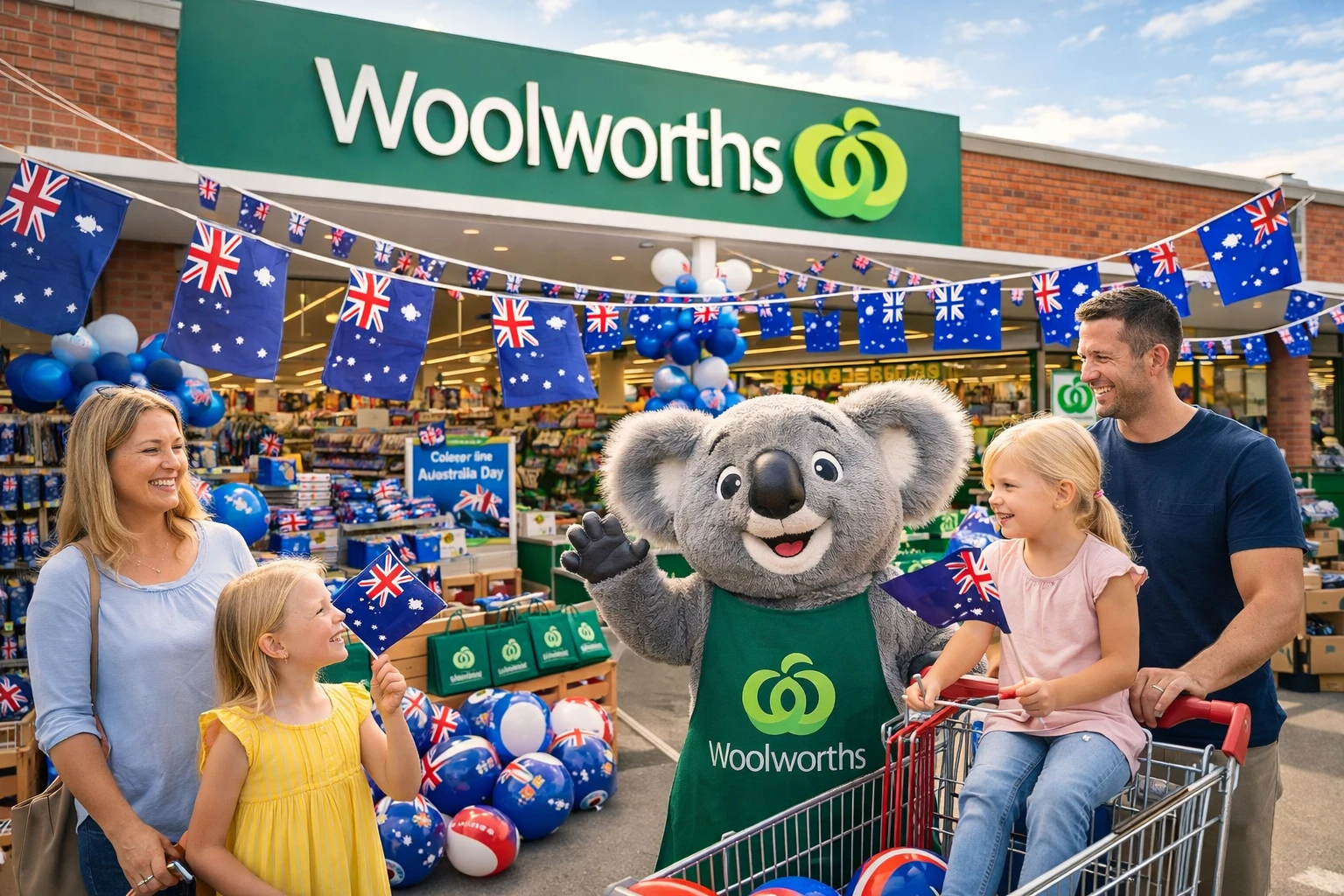
It started with a simple corporate announcement, but it ended up being the talk of every backyard BBQ from Perth to Penrith. When Woolworths decided to stop stocking specific Australia Day merchandise, they probably expected a few grumbles. What they got instead was a full-blown cultural earthquake that’s still rattling the retail sector today.
Honestly, it’s wild how much we care about where we buy our cheap plastic flags and green-and-gold paper plates. But for Aussies, the “Big Two”-Woolies and Coles-aren’t just shops. They’re like those reliable but slightly annoying cousins you see every week. When one of them makes a move that feels “political,” people take it personally.
The decision wasn’t just about sales figures. It was a reflection of a changing national mood. Some folks saw it as a long-overdue sign of respect to Indigenous communities, while others felt like their traditions were being chucked into the clearance bin. But if you look closer, there’s a lot more going on beneath the surface of those empty seasonal aisles.
The Numbers Behind the Shelves
Retailers don’t usually make big moves just for the sake of it. They love money. If something sells like hotcakes, it stays. If it gathers dust, it goes. Here is a quick look at how the landscape shifted during that peak period.
| Factor | Pre-2024 Trends | The 2024 Shift |
|---|---|---|
| Merchandise Volume | High (Flags, hats, capes) | Minimal to Zero in major chains |
| Consumer Sentiment | Generally celebratory | Deeply polarized and vocal |
| Alternative Sales | Standard grocery spikes | Surge in “Aussie Summer” themed items |
| Social Media Impact | Low engagement | Massive boycotts and viral debates |
It’s easy to blame “woke culture” or “corporate greed,” but the reality is that the commercial value of January 26th merchandise had been sliding for years. People just weren’t buying the plastic tat like they used to. And in a world where everyone is watching their pennies because of interest rates, supermarkets are cutting anything that doesn’t move fast.
Why the Backlash Hit So Hard
Australians have a very specific relationship with their brands. We like to think we’re laid back, but don’t mess with our Vegemite or our holiday rituals. When Woolworths pulled the pin, it felt like a rejection of a certain “Aussie-ness” for a huge chunk of the population.
You had politicians getting involved, people filming themselves walking through empty aisles, and even some local shops seeing a massive spike in sales because they “stuck to tradition.” It was a classic case of a brand trying to be progressive but catching a stray bullet from a public that feels like everything is changing too fast.
But here is the thing: Coles and Aldi mostly followed suit, though with a bit more quietness. They realized that the headache of managing the controversy wasn’t worth the $2 profit on a polyester flag made overseas.
What We Are Actually Buying Instead
Even without the flags, we still ate. A lot. The shift didn’t stop the January 26th public holiday from being one of the biggest trading days of the year. Instead of themed merchandise, the focus shifted to what we call “The Summer Essentials.”
* Lamb (Obviously, thanks to those Sam Kekovich ads that live rent-free in our heads).
* High-end seafood like prawns and Morton Bay bugs.
* “Generic” Aussie pride items-think anything with a kangaroo that isn’t date-specific.
* Craft beers and locally produced gins.
We are seeing a move toward “Identity through Consumption” rather than “Identity through Decoration.” We’d rather show we’re Aussie by supporting a local farmer than by wearing a flag as a cape. It’s a subtle shift, but a massive one for the people who plan supermarket layouts six months in advance.
The Financial Impact of a National Boycott
Did the boycotts actually work? Well, it’s complicated. Woolworths is a giant. They own everything from Big W to a massive chunk of the liquor market. While some people definitely swapped their “Fresh Food People” card for a Coles one, most people just went where the specials were.
However, the PR damage was real. When your brand becomes a talking point on morning radio for all the wrong reasons, that costs money. You have to hire more security, deal with disgruntled staff, and spend a fortune on “we love Australia” ad campaigns to win back the trust.
| Metric | Immediate Impact | Long-term Outlook |
|---|---|---|
| Foot Traffic | Slight dip in rural areas | Stabilized by loyalty programs |
| Brand Sentiment | Sharp decline (Jan-Feb) | Gradual recovery through price drops |
| Big W Sales | Noticeable drop in seasonal tier | Pivot to general outdoor/camping gear |
A Cultural Crossroads in the Cereal Aisle
The whole saga forced a lot of us to look at what the day actually means. For many, it’s a day of mourning. For others, it’s about a BBQ with mates. Retailers are stuck in the middle. If they sell the stuff, they get hammered by one side. If they don’t, they get hammered by the other.
And let’s be real, the “Aussie” identity is evolving. We are more diverse than ever. A supermarket in Western Sydney has a very different customer base than one in a small town in regional Queensland. Trying to find a “one size fits all” approach to national pride is basically impossible these days.
The “Big W” Factor
We can’t talk about Woolies without mentioning Big W. That’s where the real “merch” lives. When Big W cleared the shelves, that’s when the suburban mums and dads really noticed. Suddenly, you couldn’t get the cheap thongs with the Southern Cross on them.
This move signaled that this wasn’t just a temporary stock issue. It was a strategic pivot. They decided that the future of their brand wasn’t tied to a single controversial day, but to a broader “Australian Summer” vibe. It’s smarter, safer, and probably more profitable in the long run, even if it caused a massive stink for a few weeks.
Lessons for the Other Retailers
Aldi and Coles watched this play out like a slow-motion car crash. They learned that silence is golden. While Woolworths was front-and-center taking the hits, the others quietly reduced their stock and focused on “back to school” sales instead.
* Keep it quiet: Don’t make a “values” statement unless you’re ready for the heat.
* Focus on the food: No one gets mad at a supermarket for selling good sausages.
* Local is king: Highlighting local Aussie farmers is a safe way to show pride without the politics.
It’s a tough tightrope to walk. One wrong move and you’re the villain on everyone’s Facebook feed. But that’s the risk you take when you’re a multi-billion dollar entity trying to be everyone’s “local” shop.
Is This the End of Patriotic Merch?
Not likely. You’ll still find it at Reject Shops, local newsagents, and independent grocers. There is always a market for it. But the “Era of Corporate Patriotism” might be cooling off. We’re seeing a shift toward more meaningful ways of celebrating-or acknowledging-our history.
Honestly, who needs a plastic hat that breaks in five minutes anyway? Maybe the move toward buying things we actually use-like better quality meat or local drinks-is a win for everyone. It’s certainly a win for the environment, considering how much of that Australia Day stuff ended up in landfill by February 1st.
The Role of Social Media in Retail Politics
We can’t ignore the “TikTok effect.” A single video of an empty shelf can go viral in hours, reaching millions before the Woolworths PR team has even finished their morning coffee. This has changed how these companies operate. They aren’t just managing shops; they are managing a 24/7 news cycle.
The outrage was fueled by algorithms that love conflict. If you clicked on one video about the boycott, you got ten more. This created a bit of an “outrage bubble” where it felt like the whole country was furious, even if most people were just trying to find where the cheap avocados were hidden.
What Happens Next Year?
Expect more of the same, but quieter. Woolies and Coles will likely lean even harder into the “Summer Grill” and “Cricket Season” themes. They’ll keep the green and gold, but they’ll ditch the dates. It’s a way to keep the “Aussie” feeling without the “Aussie Day” baggage.
And honestly? Most of us will probably forget the whole drama until next January rolls around. That’s the Aussie way-we get fired up for a bit, have a moan, and then get back to worrying about the price of fuel and who’s winning the footy.
The Human Side of the Shelf
Spare a thought for the casual workers at these stores. They were the ones who had to deal with the grumpy customers asking where the flags went. It’s never the CEO who hears the complaints; it’s the 17-year-old at the checkout.
When we turn supermarkets into political battlegrounds, we forget that they are workplaces first. The “Retail War” might be a fun headline, but for the people on the floor, it was just another day of navigating a very divided public.
What is the biggest takeaway from all this? Maybe it’s that we should stop looking to our grocery stores for moral guidance or national identity. They are there to sell us milk and bread. If we want to celebrate our country, there are better ways to do it than buying a branded stubby cooler from a conglomerate.
The “Tug-of-War” will continue, but the rope is changing. We are becoming more conscious consumers, more aware of the stories behind the products, and a lot less likely to just follow the corporate lead. And that, in itself, is a very Aussie trait.
How do you find the best deals? It’s all about the apps these days. If you’re not scrolling through the “Specials” tab on your phone before you leave the house, you’re basically throwing money away. The supermarket wars aren’t just about flags; they’re about survival in a high-cost world.
Is Woolworths still the “Fresh Food People”? To many, yes. To others, they’ve lost their way. But at the end of the day, as long as they have the best sourdough and a decent reward points system, people will keep coming back. We’re a practical bunch, after all.
The whole debate was a reminder that Australia is a work in progress. We’re figuring out how to balance our past with our future, and sometimes that happens in the middle of a grocery store. It’s messy, it’s loud, and it’s uniquely ours.
So, next time you’re walking down the seasonal aisle and it looks a bit bare, don’t stress. The sausages are still in the fridge, the sun is still shining, and there’s always someone willing to argue about it on the internet.
The Rise of the Independent Grocer
While the giants were fighting PR fires, the local IGAs and family-owned butchers were having a field day. Many of them leaned into the gap left by Woolworths. They realized that in smaller communities, tradition still carries a lot of weight.
* Local butchers saw an uptick in pre-orders for BBQ packs.
* Independent grocers stocked the flags that the big guys wouldn’t.
* Community-run events became the focus rather than corporate-sponsored ones.
This “decentralization” of the holiday is actually a good thing. It puts the power back into the hands of local communities to decide how-and if-they want to celebrate. It’s less “top-down” and more “bottom-up.”
Final Thoughts on the Aisle Debate
We’ve seen that retail isn’t just about selling stuff; it’s about reading the room. Woolworths read one side of the room perfectly and completely ignored the other. Coles sat in the corner and hoped no one noticed them.
In the end, the “Retail Tug-of-War” showed us that we care deeply about our symbols, even the cheap ones. But it also showed that we are ready for a more nuanced conversation about what being Australian actually looks like in 2026.
Is it about a flag on a shelf? Or is it about the people we share the BBQ with? I think we all know the answer to that one.
Why did Woolies stop selling Australia Day stuff?
They said demand was dropping and they wanted to be more inclusive. Plus, let’s be real, the profit margins on that stuff weren’t great anyway.
Can I still buy flags and merch elsewhere?
Yeah, totally. Kmart, Target, and Big W mostly stepped back, but local party shops and dollar stores are still loaded with that gear.
Did everyone boycott Woolworths?
Nah, not really. Some people made a point of it, but most folks just kept shopping there because it’s convenient and they have those Everyday Rewards points.
Is Coles still selling the merch?
They scaled it back big time too. They still have some “Aussie” themed food and basic decorations, but they aren’t going as hard as they used to.
What was the reaction from Indigenous groups?
It was mostly seen as a positive step toward recognizing that January 26th is a tough day for many, though some said it was just “corporate posturing” without real action.
How did the government get involved?
Some politicians called for a boycott, saying Woolies was “anti-Australian,” while others said it’s a free market and the company can sell whatever it wants.
Will the merchandise ever come back?
Unlikely in the big chains. Once a corporate giant pivots away from a controversial seasonal category, they rarely go back because of the PR risk.
Conclusion
At the end of the day, the supermarket aisle is a reflection of the street we live on. Things change. We grow. We argue. But we still need to eat. The Woolworths saga wasn’t just about plastic hats; it was a snapshot of a nation trying to find its feet in a new era. Whether you agree with the move or not, it’s clear that the way we shop-and what we expect from our big brands-has changed for good. Grab your tongs, fire up the barbie, and let’s just focus on the people around us. That’s the bit that actually matters.