
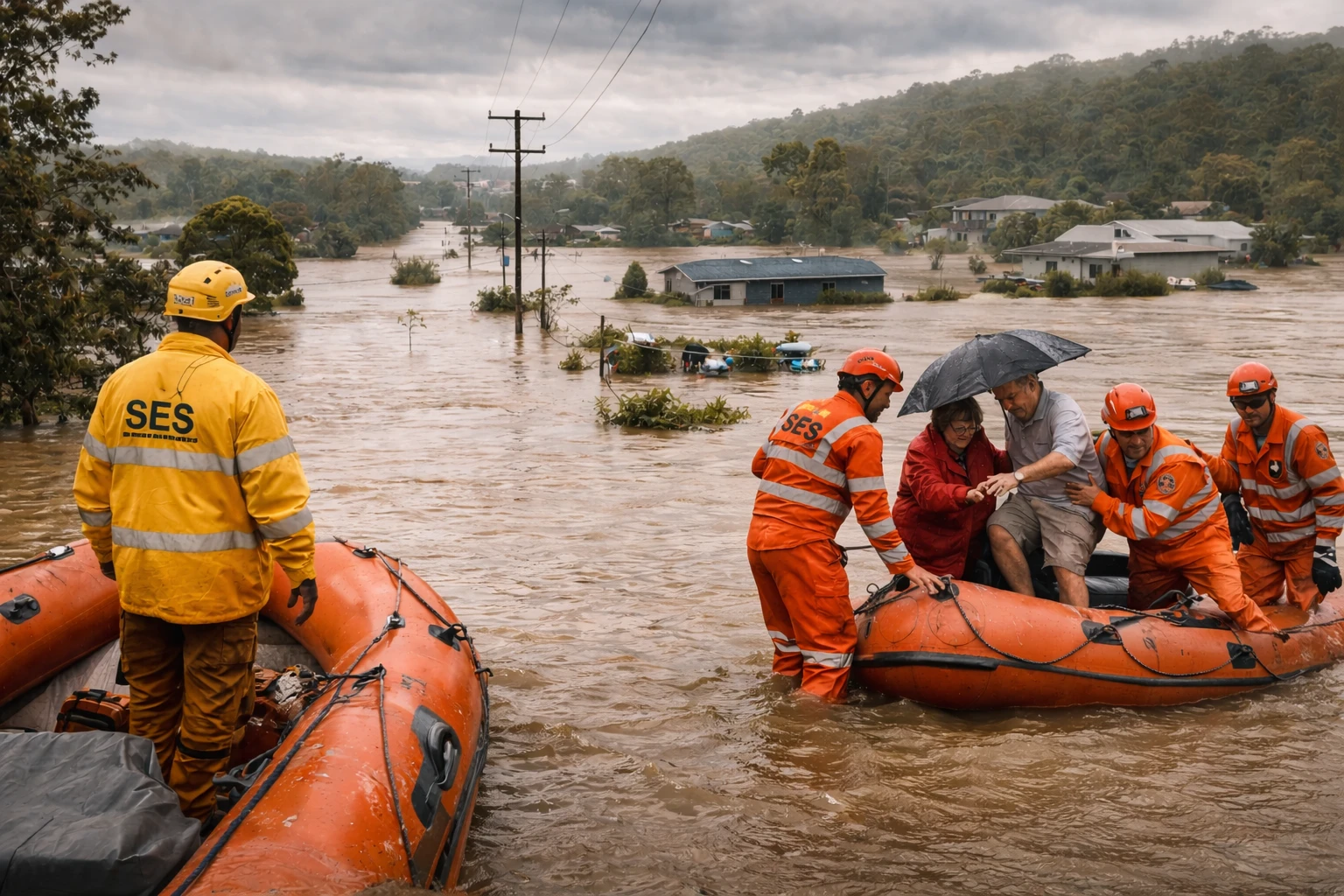
Sunshine Coast Flooding: What We Learned When the Rain Just Wouldn’t Quit
Living on the Coast usually means chasing the sun and complaining when the swell is too small. But lately, things have looked a bit different. We’ve seen roads turn into rivers and backyards into swimming pools. Honestly, it was a bit of a wake-up call for everyone from Noosa down to Caloundra. We all like to think we’re prepared because we have a torch and some spare batteries, but when the water starts rising up the driveway, reality hits differently.
It’s one thing to see a weather warning on your phone; it’s another to see your local park disappear under two meters of brown water. The recent events on the Sunshine Coast weren’t just about record-breaking rainfall; they were about how we react when nature decides to rewrite the map. Some people handled it like pros, while others were left scrambling. And that’s okay-that’s how we learn.
So, let’s talk about what actually happened and, more importantly, what we can do better next time. Because if there’s one thing we know about Queensland weather, it’s that there is always a next time. It’s not about being paranoid; it’s just about not being the person who has to be rescued from the roof of their Subaru because they thought they could make it through a “small” puddle.
The Big Wet: A Quick Breakdown of the Numbers
Before we get into the nitty-gritty of survival, it’s worth looking at what we were actually dealing with. This wasn’t just a heavy afternoon storm. This was a sustained dump that caught a lot of the drainage systems off guard. The ground was already soaked from previous weeks, so the water had nowhere to go but up.
| Location | Peak Rainfall (24hr) | Impact Level |
|---|---|---|
| Maroochydore | 185mm | Flash flooding in urban areas |
| Nambour | 210mm | Significant runoff and road closures |
| Glass House Mountains | 245mm | Landslips and creek overflows |
| Noosa Heads | 160mm | Drainage backups and beach erosion |
Those numbers might look like just stats, but if you were trying to drive home through Forest Glen or Palmwoods during the peak, you know exactly how fast things went south. The speed of the rise was the main issue. One minute the road is clear, and ten minutes later, you’re looking at a lake.
Why “If It’s Flooded, Forget It” Isn’t Just a Catchy Slogan
We hear it every year. The SES and the police scream it from the rooftops. Yet, every single time, someone tries to test their 4WD against a flooded creek. Spoiler alert: the creek usually wins. The recent flooding showed us that even modern cars with all the bells and whistles are basically paperweights once the water reaches the air intake.
It’s not just about the depth of the water; it’s about what’s in it. We’re talking about logs, debris, and sometimes even snakes or displaced cattle. Plus, the road underneath could be completely washed away. You might think you’re driving onto bitumen, but you’re actually driving into a hole.
But hey, I get it. You want to get home to your kids or your dog. You’re tired, and the detour takes an hour. But an hour’s detour is way better than a helicopter ride or losing your car to the insurance company. Trust the locals who stay put. If the water is over the road, just turn around. Grab a coffee, wait it out, or find another way. It’s never worth the risk.
The Local Community Spirit: Our Secret Weapon
If there’s one silver lining to the mud and the mess, it’s how the Coast comes together. We saw neighbors who haven’t spoken in years suddenly helping each other move furniture to the second floor. There’s something about a natural disaster that breaks down those social barriers.
Facebook groups were buzzing-not with the usual complaints about parking-but with real-time updates. “Hey, Eumundi Road is underwater,” or “Does anyone need help sandbagging in Coolum?” This organic communication often moved faster than the official apps. While the Bureau of Meteorology does a great job, nothing beats a photo from a guy named Bruce showing the bridge at the end of your street is gone.
* Check on your elderly neighbors before the rain peaks.
* Keep a local “mates” thread going for real-time road updates.
* Share supplies like sandbags or spare generators if you have them.
This kind of grassroots response is what keeps the Coast resilient. The SES does an incredible job, but they can’t be everywhere at once. Being a “good neighbor” isn’t just a nice-to-have; in a flood, it’s an essential service.
Is Your Emergency Kit Actually Useful?
Most of us have a “kit” that consists of a half-dead power bank and some old cans of beans in the back of the pantry. After the recent flooding, many realized their prep was… well, a bit rubbish. When the power goes out for three days and the tap water starts looking a bit murky, you realize what you actually need.
Think about the basics. Can you charge your phone without a wall socket? Do you have enough clean water for everyone (including the dog) for at least 72 hours? And no, beer doesn’t count as water-though it might help with the stress.
* Portable power banks (fully charged).
* Battery-powered radio (because the internet often goes down).
* First aid kit with actual supplies, not just old Band-Aids.
* Waterproof pouches for your important documents like IDs and insurance papers.
Having these things in a “go-bag” near the door makes a massive difference when the stress levels are through the roof. You don’t want to be hunting for your passport while the water is lapping at the doorstep.
The Hidden Dangers: What Happens After the Rain Stops
Once the clouds part and the sun comes out, everyone wants to head outside and check out the damage. But the danger doesn’t leave with the rain. In fact, the aftermath can be just as sketchy.
One of the biggest issues we saw was mold. The humidity on the Coast is already high, but after a flood, it’s next level. If you don’t get things dry fast, your house starts smelling like a locker room within 48 hours. Then there’s the “flood mud.” It’s slippery, it smells, and it can carry all sorts of nasties from overflowing sewers.
| Post-Flood Risk | What to Watch For | Action Step |
|---|---|---|
| Structural Damage | Cracks in walls or shifting soil | Get a professional inspection |
| Contaminated Water | Discolored or smelly tap water | Boil water until cleared by council |
| Electrical Hazards | Wet sockets or flickering lights | Don’t touch! Call an electrician |
| Pests | Spiders and snakes seeking high ground | Wear boots and gloves during cleanup |
And let’s not forget the potholes. The Sunshine Coast Council does their best, but after a big wet, the roads look like a block of Swiss cheese. Keep your eyes peeled and maybe slow down a bit, especially on those back roads through the hinterland.
Tech vs. Reality: Relying on Your Phone
We live on our phones. We use them for maps, for news, and for calling for help. But in a major weather event, the towers can fail. During the recent floods, some areas lost service completely. If you were relying on Google Maps to find a way out, you were out of luck.
This is where “old school” skills come in handy. Knowing the layout of your local area without a GPS is a lifesaver. Keep a paper map in the glovebox-yeah, remember those? It sounds a bit extreme, but when you’re trying to navigate back roads in the dark with no signal, you’ll be glad you have it.
Also, keep an eye on your battery. It’s easy to scroll through social media looking at flood photos, but you need to save that juice for emergencies. Dim the screen, turn off unnecessary apps, and keep a backup plan for communication.
The Insurance Headache: A Lesson in Fine Print
If there’s one thing that ruins the post-flood “we survived” vibe, it’s dealing with insurance companies. A lot of people on the Coast found out the hard way that “storm damage” and “flood damage” are often two different things in the eyes of an insurer.
Did the water come from a pipe that burst? Was it runoff from the road? Or did the local creek overflow? These distinctions can cost you tens of thousands of dollars. It’s boring as anything, but reading your PDS (Product Disclosure Statement) is actually important.
* Take photos of everything before you start cleaning up.
* Keep a log of every conversation you have with your insurer.
* Don’t throw away damaged items until the assessor says it’s okay (unless they are a health hazard).
It’s a massive hassle, but being organized from day one makes the process move a lot faster. Don’t let them lowball you because you’re stressed and just want it over with.
Managing the Mental Load
Let’s be real-floods are exhausting. The constant sound of rain on a tin roof can start to feel like a drumbeat of anxiety. Checking the rain gauge every twenty minutes doesn’t actually stop the water from falling, but we all do it.
It’s important to acknowledge that it’s okay to feel a bit rattled. Seeing your community under pressure is heavy. Take breaks from the news, talk to your mates about something other than the weather, and make sure the kids feel safe. We’re a tough bunch on the Coast, but even the toughest people need a breather.
If you’re feeling overwhelmed, reach out. Whether it’s a chat over the fence or calling a dedicated service, don’t bottle it up. We’re all in the same boat (sometimes literally), and there’s no shame in admitting it’s been a rough trot.
Future-Proofing Your Home: Small Changes, Big Impact
We can’t stop the rain, but we can change how our homes handle it. After seeing which houses fared better than others, some patterns emerged. Drainage is king. If your gutters are full of leaves from six months ago, you’re asking for trouble.
Think about where the water goes when it hits your property. Does it pool against the slab? Does it flow toward the garage? Sometimes a few hundred dollars spent on better landscaping or a French drain can save you a $50,000 renovation later.
* Clean your gutters and downpipes every season.
* Check that your yard slopes away from the house.
* Consider waterproof materials for any renovations in low-lying areas.
* Install “smart” leak detectors if you’re worried about internal flooding.
It’s all about minimizing the “oh no” moments. You might not be able to stop a once-in-a-century flood, but you can definitely stop a standard summer storm from ruining your carpets.
The Resilience of the Coast
At the end of the day, the Sunshine Coast is a place of incredible beauty, and the weather is just part of the deal. We take the stunning beach days with the occasional wild week of rain. The recent floods taught us that we aren’t invincible, but they also showed us that we’re adaptable.
We’ve learned that the community is our best asset, that “If it’s flooded, forget it” is a rule written in blood, and that being prepared is more than just having a torch. We’ll clean up the mud, fix the potholes, and get back to complaining about the tourists. But next time the sky turns that heavy shade of grey, we’ll be a little bit smarter, a little bit faster, and a whole lot more ready.
Stay safe out there, keep an eye on the tide, and maybe-just maybe-keep those sandbags handy. You never know when the next “big one” is coming, but at least now we know we can handle it.
FAQ
Is it safe to drive through 10cm of water?
Honestly, it’s better not to. Even a small amount of water can hide a missing manhole cover or cause you to hydroplane if it’s moving fast.
How can I tell if my tap water is okay to drink?
Check the Sunshine Coast Council website or Unitywater for local alerts. If you’re unsure, boiling it for a few minutes is a safe bet.
What should I do if I find a snake in my house after a flood?
Don’t be a hero. Give it space and call a professional snake catcher. They’re just looking for a dry spot, same as you.
Where can I get sandbags on the Sunshine Coast?
The SES usually sets up collection points during weather events. Keep an eye on local news or the SES Facebook page for locations.
Does home insurance always cover flooding?
Not necessarily. Many basic policies exclude “actions of the sea” or specific types of flooding. You need to check your specific policy.
How do I stop mold from growing after the flood?
Get the air moving. Use fans, dehumidifiers, and open windows as soon as it’s dry outside. Cleaning with vinegar can also help kill spores.
What’s the best way to help my neighbors?
Just ask! Sometimes people just need help moving a heavy fridge or a lift to the shops because their car is bogged.
Conclusion
The recent flooding on the Sunshine Coast was a stark reminder of nature’s power, but it also highlighted our community’s strength. From the heroics of the SES to the simple kindness of a neighbor with a spare generator, we saw the best of the Coast. By taking these lessons to heart-improving our prep, respecting the water, and looking out for one another-we ensure that we stay resilient. The sun always comes back eventually, but being ready for the rain is what makes us true locals. Stay dry, stay smart, and look after each other.